

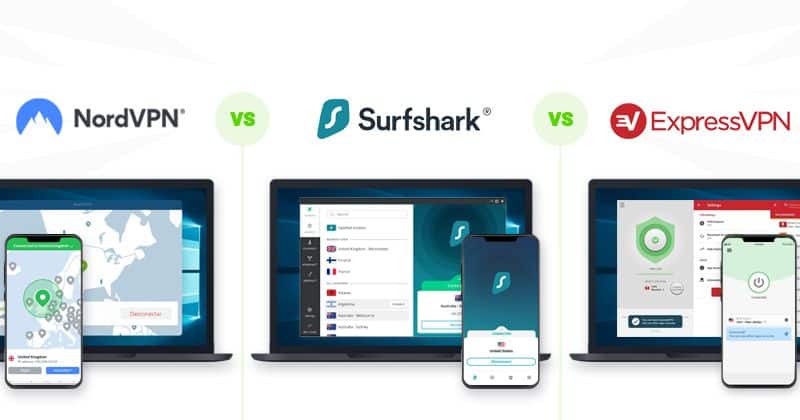
Introduction to VPNs and their importance in the digital age
In today’s digital landscape, online privacy and security have become more crucial than ever. With cyber threats lurking at every corner and streaming content often restricted by geographical boundaries, Virtual Private Networks (VPNs) have surged in popularity. They offer a shield against prying eyes while unlocking a world of entertainment options.
But with so many VPNs available, how do you choose the right one? In this showdown of Surfshark vs ExpressVPN vs NordVPN, we’ll delve into the features that set them apart. From speed to security measures and streaming capabilities, we’ve got all angles covered to help you make an informed decision. Whether you’re looking for seamless browsing or high-definition streaming without hiccups, stick around as we explore which VPN truly stands out in 2025!
Surfshark: Features, Pros and Cons
Surfshark stands out for its user-friendly interface and competitive pricing. It offers an extensive network of servers across the globe, ensuring fast connections.
One of its notable features is unlimited device support. This means you can secure all your devices simultaneously with a single account.
Additionally, Surfshark includes CleanWeb technology that blocks ads and malware while browsing. It also has a built-in kill switch to protect your data during unexpected disconnections.
On the downside, some users report inconsistent speeds on certain servers. Its customer support, although generally responsive, may not provide immediate solutions at times.
Despite these drawbacks, many appreciate Surfshark’s commitment to privacy and transparency in their no-logs policy. The affordability combined with solid performance makes it an appealing choice for budget-conscious consumers seeking reliable VPN protection.
ExpressVPN: Features, Pros and Cons
ExpressVPN stands out with its extensive server network, boasting over 3,000 servers in 94 countries. This vast reach provides users with flexibility and options for accessing global content.
One of its standout features is the Lightway protocol, designed for faster connections without compromising security. ExpressVPN also includes a kill switch and split tunneling, enhancing user control over their online activities.
On the downside, it comes at a premium price point compared to competitors. Some users may find this cost prohibitive if they are on a tight budget.
Additionally, while it does offer excellent speed and reliability, occasional server congestion can occur during peak times.
Despite these drawbacks, many appreciate its user-friendly interface and strong customer support available via live chat around the clock.
NordVPN: Features, Pros and Cons
NordVPN stands out as a popular choice among users seeking a reliable VPN service. It offers an impressive array of features designed to enhance privacy and browsing speed.
One of its standout features is the Double VPN, which routes your traffic through two servers for added security. The CyberSec technology automatically blocks ads and malicious websites, providing a smoother online experience.
However, it’s not without drawbacks. Some users report slower speeds during peak times due to server congestion. Additionally, while NordVPN has a user-friendly interface, beginners might find some advanced settings daunting.
The vast network of servers across multiple countries ensures excellent geo-unblocking capabilities for streaming services like Netflix. This makes it ideal for binge-watchers who want access to global content libraries.
With its strong focus on security protocols and no-logs policy, NordVPN reassures users about their data protection efforts.
Speed Comparison between the three VPNs
When it comes to speed, every millisecond counts. Let’s dive into how Surfshark, ExpressVPN, and NordVPN stack up.
Surfshark impresses with its fast connection speeds. Users often report minimal slowdowns, making it a solid choice for everyday browsing or gaming sessions.
ExpressVPN is known for its lightning-fast performance as well. With its extensive server network across 94 countries, users experience quick connections that are consistent even during peak times.
NordVPN holds its own in this category too. While some users notice slight variations based on server selection, it generally offers robust speed that’s suitable for streaming HD content without buffering issues.
Testing these VPNs under various conditions shows they all perform admirably but may differ slightly based on user location and specific needs. It’s essential to try them out yourself to find the best fit for your online activities.
Streaming capabilities of Surfshark, ExpressVPN, and NordVPN
When it comes to streaming, Surfshark excels with its ability to unblock a multitude of platforms. Users can easily access Netflix, Hulu, and BBC iPlayer without facing restrictions. This makes it a strong contender for binge-watchers.
ExpressVPN also shines in this area. Its speed ensures smooth playback, which is crucial for high-definition content. With servers optimized specifically for streaming, users rarely run into buffering issues or blackouts.
NordVPN competes closely by offering SmartPlay technology that allows seamless access to geo-restricted content across various services. Its extensive server network means reliable connections regardless of location.
Each VPN presents unique advantages for streamers but choosing the right one depends on individual needs such as speed preferences and specific platform access requirements.
Security measures of each VPN and their effectiveness
When it comes to security, each VPN has its own set of features designed to protect user data. Surfshark utilizes AES-256-GCM encryption for robust security. It also offers a kill switch and MultiHop, which routes your connection through multiple servers for added anonymity.
ExpressVPN employs the same AES-256 encryption standard but adds a proprietary Lightway protocol. This enhances speed without compromising security. The TrustedServer technology ensures that all servers run on RAM only, wiping any data with every reboot.
NordVPN takes a strong stance on privacy with double VPN and Onion over VPN options. It’s known for its strict no-logs policy and CyberSec feature that blocks malicious websites while browsing.
Each service excels in different areas, making them effective choices depending on individual needs. User preferences play an essential role in determining which measures resonate best with their online activities.
Pricing comparison
When it comes to pricing, Surfshark stands out as one of the most budget-friendly options. With plans starting at just a few dollars per month, it’s an attractive choice for those looking to save money while still enjoying solid VPN services.
ExpressVPN is on the pricier side but offers premium features and performance that many users are willing to pay for. Its reputation for speed and reliability makes it a favorite among frequent travelers and streaming enthusiasts.
NordVPN falls somewhere in between. While not as cheap as Surfshark, it provides extensive features such as double encryption and specialty servers that justify its price tag.
All three providers offer discounts for longer subscriptions, making it easier to choose based on your budget without sacrificing quality or security. Remember to consider what you value most in a VPN when weighing these costs against their offerings.
User reviews and ratings
User reviews provide invaluable insights into real-world experiences with VPN services. Many users praise Surfshark for its affordability and unlimited device connections, making it a favorite among budget-conscious consumers.
ExpressVPN garners rave reviews for its lightning-fast speeds and user-friendly interface. Customers often highlight the seamless streaming experience on platforms like Netflix and Hulu.
NordVPN stands out with robust security features, earning high marks from privacy enthusiasts. Users appreciate the double VPN option that adds an extra layer of encryption, enhancing their online anonymity.
However, no service is without criticism. Some Surfshark users have reported occasional connection drops. ExpressVPN’s pricing is seen as steep by some, while NordVPN’s app can feel cluttered to new users navigating through various options.
These first-hand accounts reflect a diverse array of opinions that potential subscribers should consider in their decision-making process.
Conclusion: Which
When it comes to choosing between Surfshark, ExpressVPN, and NordVPN, each option has unique strengths and weaknesses. Surfshark impresses with its affordable pricing and unlimited device connections, making it a great choice for families or multiple devices. Its ability to bypass geo-restrictions is commendable as well.
On the other hand, ExpressVPN stands out for its lightning-fast speeds and robust security features. It’s often regarded as the gold standard in the VPN market. If you’re looking for a reliable service that excels in streaming capabilities, this might be your best bet.
NordVPN offers an excellent balance of speed and security with innovative features like Double VPN technology. It’s perfect for users who prioritize their online safety while still enjoying seamless browsing experiences.
Speed tests reveal that all three providers perform well; however, specific use cases may favor one over the others depending on your needs—whether that’s streaming or general web browsing.
Each VPN also brings something different to the table regarding streaming accessibility; whether it’s unblocking Netflix libraries worldwide or accessing content from other regions effortlessly.
Security-wise, they all implement strong encryption protocols but differ slightly in additional features like kill switches and multi-hop options.
Pricing varies across these services too; what you choose can depend on budget versus desired functionality.
User feedback shows a mix of satisfaction levels based on individual experiences which highlights how personal preferences play into selecting the right VPN service.
Deciding which one suits you best ultimately rests upon what factors matter most: speed, security measures against cyber threats, ease of access to international content through streaming platforms or cost-effectiveness over time?