
- Understanding Scandinavian Furniture
- Scandinavian vs Modern Furniture: Key Differences
- Pros and Cons of Scandinavian Furniture
- How to Choose Between Scandinavian and Modern Furniture
- Which Furniture Style Is Better for Small Homes?
- Final Verdict: Scandinavian or Modern Furniture?
- Pros and Cons of Modern Furniture
- Frequently Asked Questions
When it comes to furnishing your living space, the choices can be overwhelming. Among the myriad styles available, Scandinavian and modern furniture stand out for their unique aesthetics and practicality. Both embody simplicity but cater to different tastes and needs. Whether you’re drawn to the cozy warmth of Scandinavian designs or the sleek lines of modern furnishings, understanding these two styles will help you create a home that reflects your personality. Dive in as we explore how Scandinavian vs Modern Furniture can transform your space into something truly special!
Understanding Scandinavian Furniture
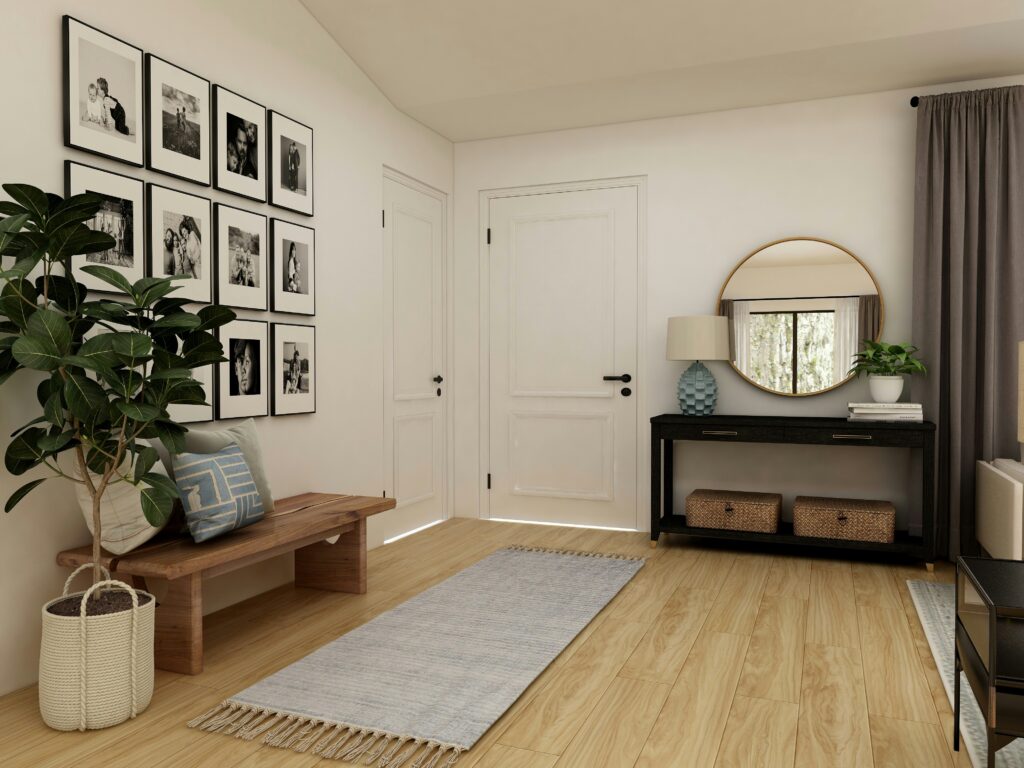
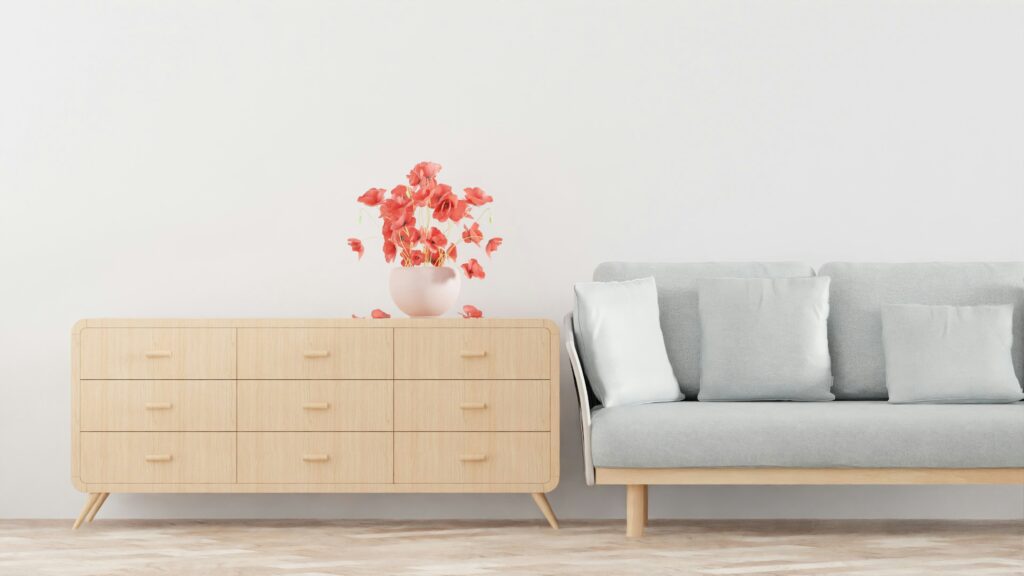
Scandinavian furniture is rooted in the design principles of Denmark, Norway, Sweden, and Finland. It emphasizes functionality, minimalism, and craftsmanship. The essence of this style lies in its ability to blend beauty with practicality.
Natural materials are a hallmark of Scandinavian designs. Think light woods like birch or pine paired with textiles that feature soft hues. This connection to nature fosters a serene atmosphere that many people crave in their homes.
Another defining characteristic is the focus on simplicity and clean lines. Furniture pieces often have an uncluttered look, making them versatile for various spaces.
Moreover, Scandinavian design embraces sustainability. Many manufacturers prioritize eco-friendly practices and source materials responsibly to create timeless pieces that last for generations without harming the environment.
Scandinavian vs Modern Furniture: Key Differences
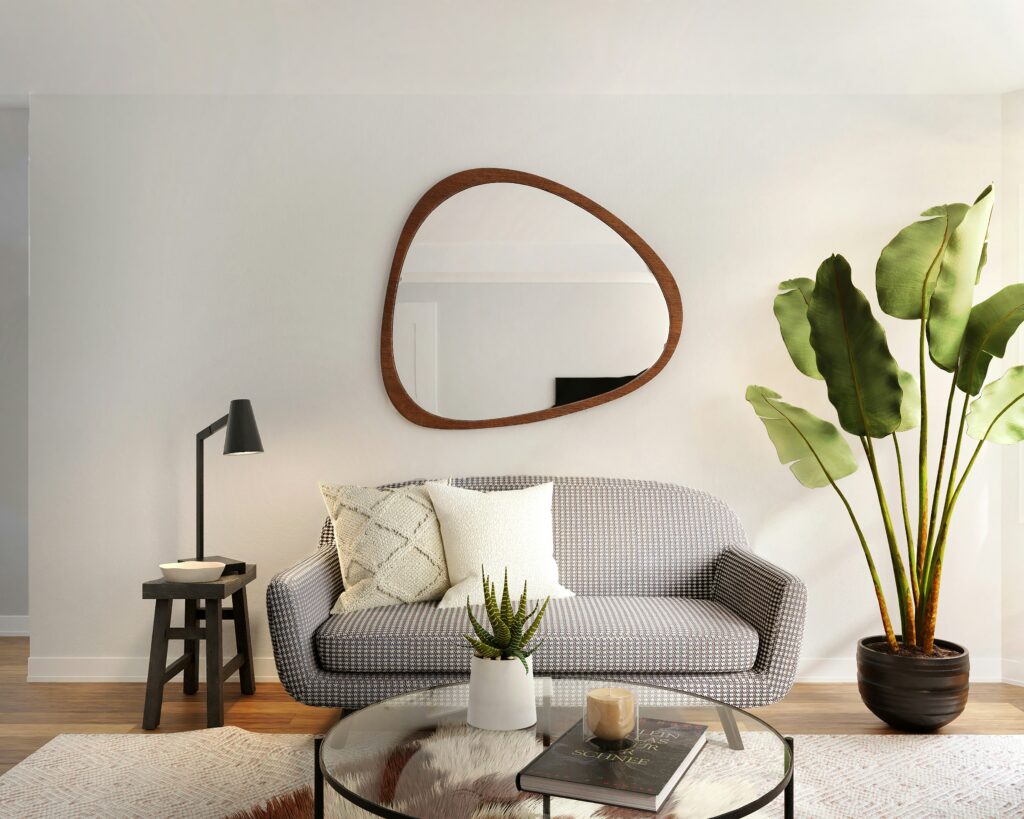
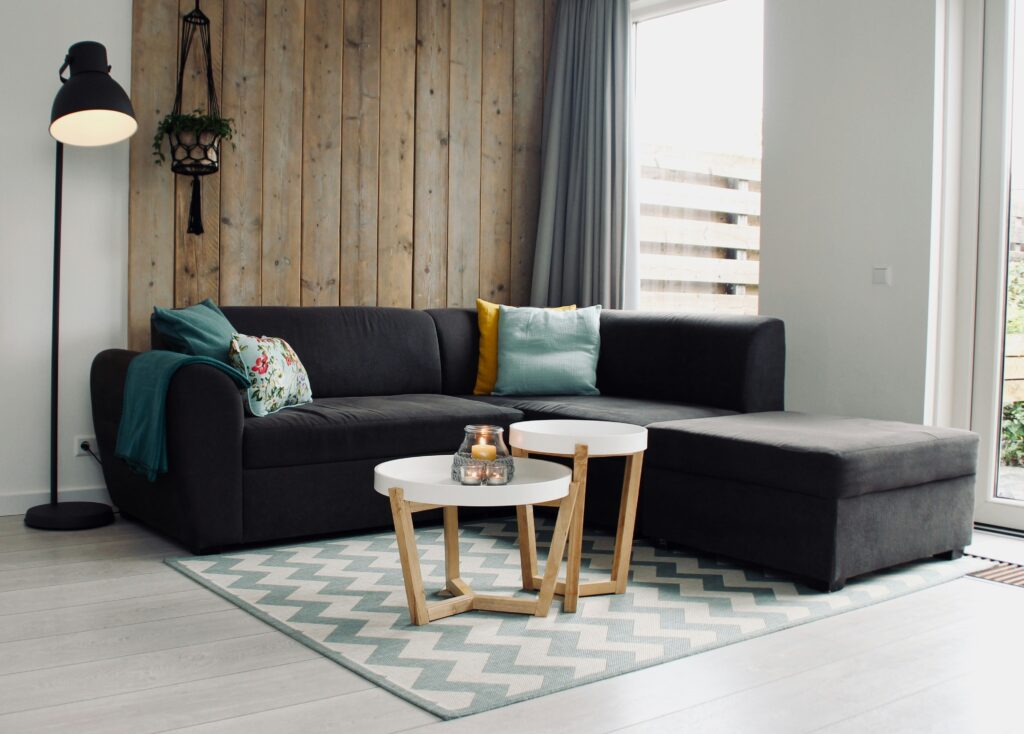
When exploring Scandinavian vs modern furniture, the differences become clear in design philosophy. Scandinavian pieces often embrace minimalism and functionality, prioritizing simplicity while enhancing comfort. You’ll find softer lines and cozy textiles that create inviting spaces.
On the other hand, modern furniture leans toward bold aesthetics with geometric shapes and vibrant colors. It celebrates innovation and can sometimes push boundaries to make an artistic statement.
Materials also vary significantly. Scandinavian styles typically favor natural woods like birch or oak, promoting sustainability. Modern designs may incorporate a wider range of materials including metals and plastics for a sleek look.
Functionality remains essential in both styles; however, Scandinavian designs aim for warmth while modern trends often evoke a more industrial feel. Each style reflects cultural influences—Scandinavian roots are deeply tied to nature, whereas modern design draws from urban landscapes.
Pros and Cons of Scandinavian Furniture
Scandinavian furniture is renowned for its simplicity and functionality. Its clean lines create a serene environment, making spaces feel more open and airy.
One of the main advantages is sustainability. Many Scandinavian pieces are crafted from natural materials like wood, promoting eco-friendliness. This commitment to nature resonates with those looking to reduce their carbon footprint.
However, there are downsides. The minimalist approach can sometimes feel too sparse or cold for some individuals who prefer a cozier atmosphere.
Durability is another consideration. While many Scandinavian designs are built to last, cheaper replicas may not stand the test of time.
Finding authentic pieces can be challenging due to limited availability outside Scandinavia, which might affect budget-conscious consumers seeking genuine designs at a reasonable price.
How to Choose Between Scandinavian and Modern Furniture
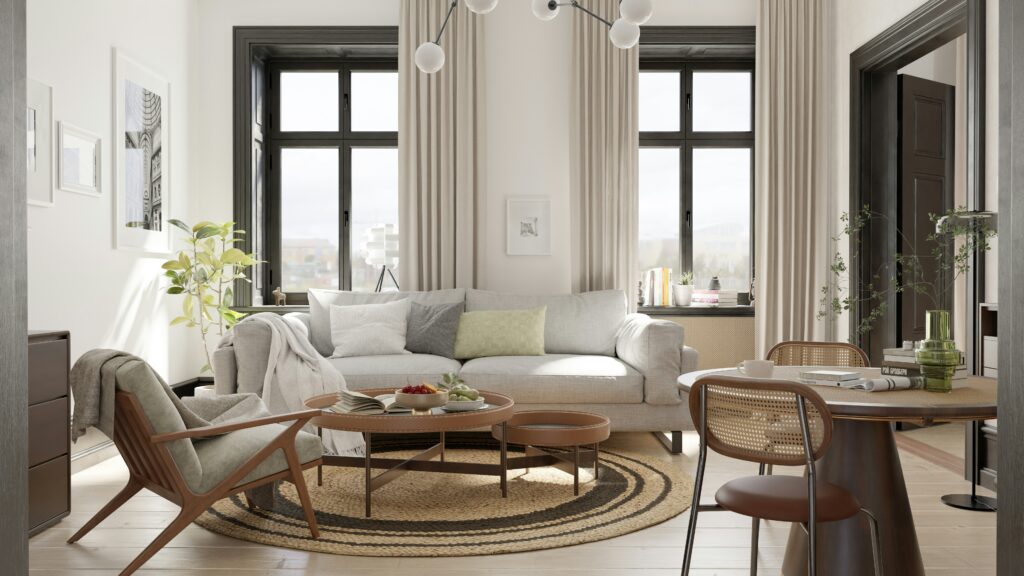
Choosing between Scandinavian and modern furniture can feel daunting. Start by assessing your space. Scandinavian design thrives in bright, airy environments, while modern furniture often makes a bold statement.
Consider your lifestyle. If you value functionality alongside style, Scandinavian pieces might suit you better with their emphasis on practicality. Modern designs may appeal if you’re drawn to unique shapes and innovative materials.
Think about color palettes too. Scandinavian styles favor soft pastels and neutrals for a calming effect, whereas modern furniture embraces vivid colors or stark contrasts that command attention.
Budget is key. Although some items from each style can be pricey, look for quality over brand name to maximize both aesthetics and durability. Your choice should reflect not just trends but also personal taste and comfort in your home environment.
Which Furniture Style Is Better for Small Homes?
When it comes to small homes, the choice between Scandinavian and modern furniture can significantly impact your space.
Scandinavian designs emphasize simplicity and functionality. Their light colors and minimalistic approach create an airy feel. This style often includes multi-functional pieces, perfect for maximizing limited square footage.
On the other hand, modern furniture tends to focus on bold lines and innovative materials. While some pieces are sleek, others might not suit compact spaces as well as Scandinavian options do.
Consider your lifestyle when deciding. If you need versatile solutions that adapt easily, Scandinavian may be ideal. However, if you lean towards striking aesthetics with a contemporary flair, explore modern designs that can still fit into smaller rooms without overwhelming them.
Think about how each style meshes with your existing decor too. Creating harmony in a small area is crucial for achieving an inviting atmosphere.
Final Verdict: Scandinavian or Modern Furniture?
Choosing between Scandinavian and modern furniture ultimately depends on your personal style, space, and lifestyle needs.
Scandinavian design emphasizes functionality and simplicity. It often incorporates natural materials that bring warmth to any environment. If you seek a cozy yet minimalist vibe, this might be the path for you.
On the other hand, modern furniture tends to push boundaries with bold colors and innovative shapes. This style can create a more dynamic atmosphere in your home.
Consider how each style makes you feel in your living spaces. Are you drawn to clean lines and light tones? Or do vibrant hues and unique forms excite your creativity?
Your choice should reflect not just aesthetics but also comfort and practicality for everyday life. The right style will resonate with who you are while serving the function needed in your home.
Pros and Cons of Modern Furniture
Modern furniture brings a sleek aesthetic to any space. Its clean lines and innovative designs can complement various interior styles.
One of the major advantages is versatility. Modern pieces often blend seamlessly with other decor. You can easily mix and match elements, creating a personalized look.
However, modern furniture sometimes sacrifices comfort for style. Some designs may prioritize form over function, making them less cozy or practical.
Additionally, the materials used in modern furniture can be both a pro and con. While many are durable and easy to maintain, they might lack warmth compared to traditional woods or fabrics.
Price is another factor worth considering; high-quality modern pieces may come with a hefty price tag. Budget-conscious shoppers might find it challenging to invest in premium items without compromising on quality elsewhere.