

Sleep is one of the most essential components of our daily lives. Yet, many people overlook how their sleeping position can impact their comfort and overall health. Whether you curl up on your side, lie flat on your back, or face down like a pancake, choosing the right mattress tailored to your unique sleeping style makes all the difference.
With countless options flooding the market, it’s easy to feel overwhelmed when searching for the best mattresses. The good news? We’ve got you covered! In this guide, we’ll explore top mattress recommendations specifically designed for every type of sleeper—side sleepers seeking pressure relief, back sleepers craving support, and stomach sleepers needing balance.
Let’s dive into finding that perfect mattress match so you can wake up refreshed and ready to conquer each day.
Why Your Sleeping Position Matters When Choosing a Mattress
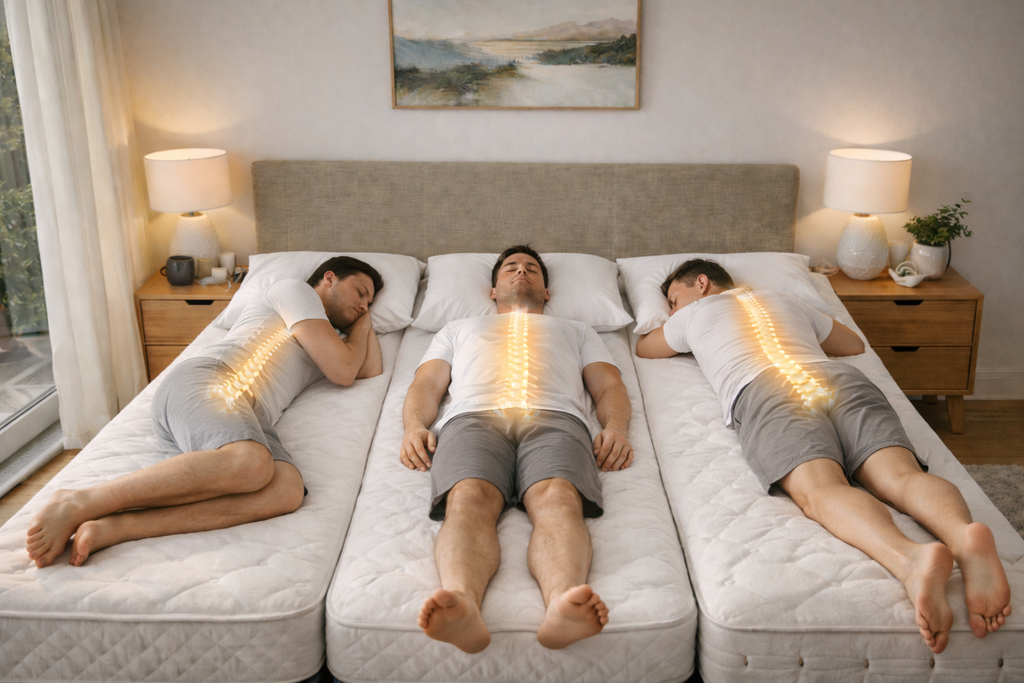
Your sleeping position directly affects your spinal alignment and overall comfort during the night. When you sleep, your body needs support to maintain a natural curve in the spine. A mattress that lacks proper support can lead to aches, pains, or restless nights.
Side sleepers often need cushioning for their hips and shoulders. A softer surface can help relieve pressure points while keeping the spine aligned.
Back sleepers typically benefit from medium firmness to provide adequate lumbar support without sinking too deep. This balance helps prevent lower back strain.
Stomach sleepers require a firmer surface to avoid excessive arching of the lower back. The right level of firmness ensures their body stays in a neutral position throughout sleep.
Understanding how each position influences comfort is key when selecting mattresses tailored specifically for individual needs.

Best Mattresses for Side Sleepers
Side sleepers often struggle with pressure points, especially around the shoulders and hips. The right mattress can make all the difference in achieving a restful night’s sleep.
Memory foam mattresses are popular among side sleepers for their contouring abilities. They cradle your body, alleviating discomfort while maintaining proper spinal alignment.
Latex options also provide excellent support without sacrificing responsiveness. These mattresses offer bounce, making it easier to shift positions throughout the night.
Hybrid mattresses combine elements from both foam and innerspring designs. They deliver comfort alongside sufficient support for those who prefer sleeping on their sides.
When choosing a mattress, look for one that balances softness and firmness—this will help reduce strain on your joints while keeping your spine aligned during sleep.
Best Mattresses for Back Sleepers
Back sleepers require a mattress that provides support while maintaining proper spinal alignment. The key here is to find a balance between comfort and firmness.
Memory foam mattresses are often favored by those who sleep on their backs. They contour to the body, relieving pressure points around the shoulders and hips without sacrificing support for the lower back.
Latex mattresses can also be an excellent choice. Their natural resilience allows for adequate back support while providing a slight bounce, which helps in movement during sleep.
Hybrid options combine innerspring coils with foam layers, offering both stability and cushioning. This combination ensures that your spine remains aligned throughout the night.
Look for models specifically designed with lumbar support features or adjustable firmness levels so you can customize your sleeping experience. Quality materials play a vital role in durability as well, extending the life of your mattress investment significantly.
Best Mattresses for Stomach Sleepers
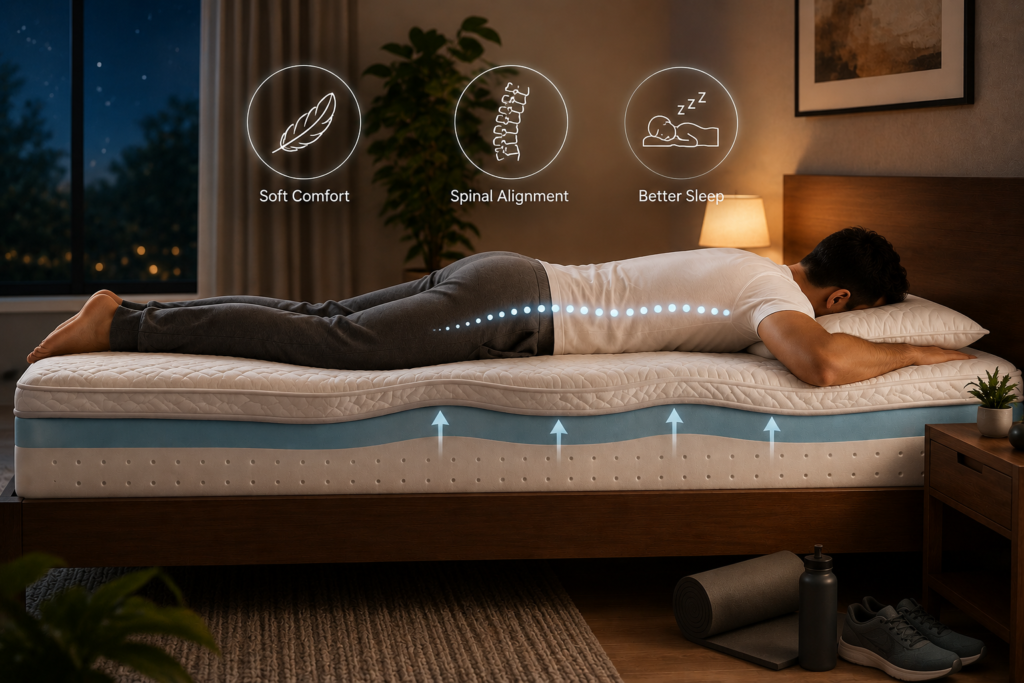
Stomach sleepers often struggle with finding the right mattress. The key is to choose a surface that provides support without excessive sinkage. A firmer mattress helps maintain proper spinal alignment, preventing back pain.
Latex and hybrid mattresses are excellent choices for this sleeping position. They offer responsive support while eliminating the feeling of being trapped in foam. Look for options with medium-firm to firm ratings; these will keep your hips elevated and aligned.
Memory foam can also work if it has a higher density and less contouring. This prevents your body from sinking too deeply, which can lead to discomfort over time.
Temperature regulation is another crucial factor for stomach sleepers, as they tend to generate more heat during sleep. Select a breathable material or one infused with cooling technology for added comfort throughout the night.
Which Mattress Material Is Right for You?
Choosing the right mattress material is crucial for a restful night’s sleep. Each type has its own unique benefits that cater to different preferences and needs.
Memory foam is ideal if you enjoy sinking into your bed. It contours to your body, providing excellent support while alleviating pressure points. This makes it a favorite among side sleepers.
If you prefer something more responsive, consider latex mattresses. They offer a lively bounce and are naturally breathable, keeping you cool throughout the night.
Innerspring options remain popular for their traditional feel and robust support system. They’re great if you like sleeping on top of the mattress rather than in it.
Hybrid mattresses combine materials to give you the best of both worlds—comfort from foam or latex with support from coils. Assessing your personal comfort preferences will guide your decision effectively.
Mattress Firmness Guide by Sleeping Position
Choosing the right mattress firmness is crucial for your comfort and support, depending on your sleeping position.
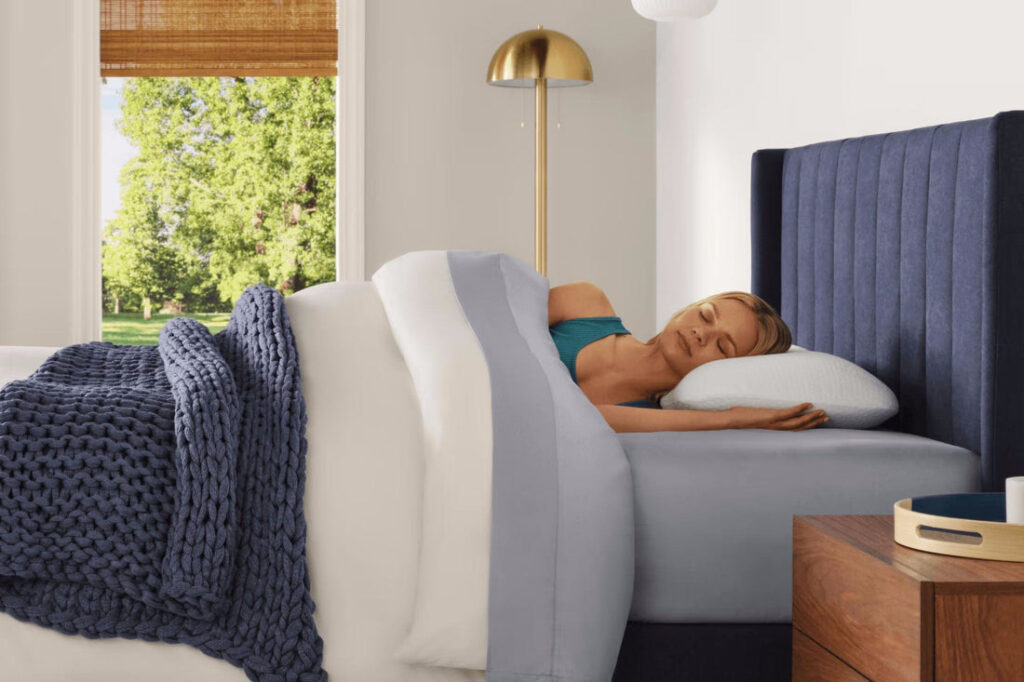
Side sleepers often benefit from a softer mattress. This allows for proper pressure relief on hips and shoulders, promoting spinal alignment throughout the night. Aim for a medium to medium-soft option that cradles these areas.
Back sleepers require balanced support. A medium-firm mattress strikes a good balance between softness and stability, keeping the spine aligned while providing enough cushioning.
Stomach sleepers need firmer mattresses to prevent their midsection from sinking too deeply, which can lead to back pain. Look for options rated firm to provide adequate support without compromising comfort.
Understanding these guidelines will help you find the perfect match tailored to your sleep style, enhancing both restful nights and energetic mornings!
Key Factors to Consider Before Buying a Mattress
When searching for the best mattress, consider your personal comfort preferences. Everyone has unique needs, so prioritize what feels good to you.
Next, think about durability. A mattress isn’t just a short-term investment; you want it to last for years. Look for quality materials that stand up over time.
Don’t forget the size of your bed frame and room. Ensure the mattress fits perfectly in your space without overwhelming it.
Budget is another key factor. Quality mattresses come at various price points, so set a realistic budget before diving into options.
Check return policies and warranties. These can provide peace of mind if the mattress doesn’t meet expectations after some use.