


Table of Contents
- Introduction to Google Search Data
- Understanding Your Target Audience through Search Queries
- Analyzing Keyword Trends for Marketing Strategy
- Utilizing Google’s Tools and Features for Marketing Decisions
- Case Studies of Successful Companies Using Google Search Data
- The Importance of Regularly Monitoring and Updating Strategies
- FAQs
Google Search Data
In today’s digital landscape, understanding your audience is more crucial than ever. One of the most powerful tools at your disposal? Google Search Data. Every query typed into Google’s search bar reveals insights about what people want, need, and are curious about. This treasure trove of information can significantly influence marketing strategies.
Imagine having a direct line to consumer interests and behaviors. With Google Search Trends, businesses can decode these patterns and make informed decisions that resonate with their target markets. Businesses leveraging this data have a unique advantage in crafting tailored campaigns that not only attract attention but also drive conversions.
Whether you’re launching a new product or seeking to improve brand visibility, harnessing the power of Google’s insights can elevate your marketing game like never before. Let’s dive deeper into how you can transform raw search data into actionable marketing strategies that propel your business forward.
Understanding Your Target Audience through Search Queries
Understanding your target audience is crucial for any marketing strategy. Google search queries offer a wealth of information about what potential customers are truly interested in.
By analyzing these queries, businesses can uncover the language and phrases their audience uses. This insight helps refine messaging to resonate more effectively with potential clients.
Search data reveals pain points, desires, and trending topics. Recognizing common questions or concerns allows companies to tailor their content accordingly.
For instance, if people frequently search for solutions related to a specific problem, creating informative articles or guides can position your brand as an expert in that area.
Additionally, examining long-tail keywords can provide deeper insights into niche interests. These often reflect more genuine intent and lead to higher conversion rates when addressed properly.
Using this approach not only strengthens customer connections but also enhances overall marketing effectiveness.
Analyzing Keyword Trends for Marketing Strategy
Keyword trends are the heartbeat of effective marketing strategies. They reveal what your audience is curious about and seeking online.
By tapping into Google search trends, businesses can identify rising topics in their industry. This insight helps shape content creation, ensuring it resonates with potential customers.
Utilizing tools like SEMrush offers a deeper dive into keyword performance. You can explore variations, long-tail keywords, and seasonal spikes that align with customer interests.
Adapting your marketing strategy based on these insights means staying ahead of competitors. It allows for timely campaigns that capture attention when interest peaks.
Regularly analyzing these trends not only enhances visibility but also builds trust within your target market. When you speak to their needs directly, engagement increases significantly.

Utilizing Google’s Tools and Features for Marketing Decisions
Google offers a variety of tools that can significantly enhance your marketing decisions. Google Analytics is one such powerhouse, providing insights into user behavior on your website. You can track what content resonates with visitors and adjust your strategies accordingly.
Another valuable resource is Google Trends. This tool showcases the popularity of search queries over time. By analyzing these trends, marketers can identify emerging topics and tailor their campaigns to meet evolving consumer interests.
Don’t overlook Google Ads Keyword Planner either. It helps you discover relevant keywords for your niche, ensuring you create targeted advertisements that reach the right audience.
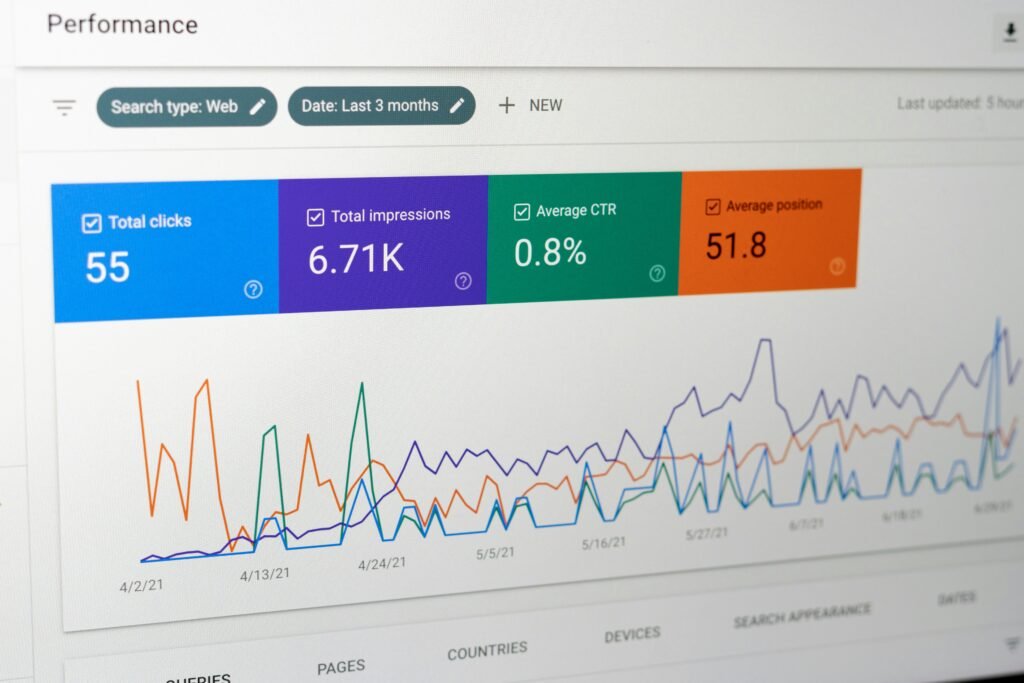
Consider leveraging Search Console for monitoring site performance in organic search results. Understanding how users find you through search engines allows for more informed decision-making regarding SEO efforts and content creation.
Case Studies of Successful Companies Using Google Search Data
Nike leveraged Google search trends to enhance its digital marketing campaigns. By analyzing consumer queries about athletic wear, the brand identified rising interests in eco-friendly products. This insight led to a successful campaign promoting their sustainable line, which resonated with environmentally conscious consumers.
Coca-Cola also tapped into search data. They noticed a surge in searches related to “summer drinks” during warmer months. The company quickly adjusted its advertising strategy, launching seasonal promotions that aligned perfectly with these trends.
Meanwhile, Airbnb utilized keyword analysis from Semrush to uncover what travelers sought most frequently when booking accommodations. By focusing on amenities like pet-friendliness and unique locations, they tailored their offerings effectively and saw significant growth in bookings.
These examples showcase how astute companies can use Google search data not just for insights but as a cornerstone of strategic decision-making.

The Importance of Regularly Monitoring and Updating Strategies
Regularly monitoring your marketing strategies is essential in today’s fast-paced environment. Trends shift, consumer preferences evolve, and new competitors emerge almost overnight.
By keeping a close eye on Google search trends, businesses can spot changes that might affect their audience’s needs. This proactive approach allows companies to pivot quickly and adapt their messaging accordingly.
Updating strategies isn’t just about reacting; it’s also about staying ahead. Utilizing tools like Semrush can provide insights into keyword performance and emerging opportunities.
This data-driven mindset helps refine campaigns for maximum impact. It ensures that you’re not just following the crowd but leading the way with fresh ideas and relevant content.
Engagement often hinges on how well brands respond to these shifts. Regular updates keep your strategy aligned with what users are actively searching for, ensuring relevance in a competitive landscape.