


- Introduction: How Running Is Changing in 2026
- The Evolution of Running Gear
- Embracing Technology: Wearable Devices and Apps for Runners
- Training Tips for the Modern Runner
- The Rise of Virtual Races and Challenges
- Mindful Running: Incorporating Mental Health into Running
- Eco-Friendly Running: Sustainability in the Sport
- FAQs
How Running Is Changing in 2026
Running is experiencing a dynamic transformation in 2026. With innovations popping up at every corner, this age-old pastime has taken on new dimensions. Gone are the days when running was just about lacing up shoes and hitting the pavement. Today, it’s all about gear that enhances performance, technology that tracks progress, and training methods tailored for individual needs.
As we dive into the latest running trends of 2026, we’ll explore how modern runners are adapting to changes in gear and embracing cutting-edge tech. From virtual races that unite participants across continents to mindful practices that enhance mental well-being during runs—the landscape of running continues to evolve in exciting ways.
Let’s delve deeper into what makes running in 2026 so unique!

The Evolution of Running Gear
Running gear has come a long way. In 2026, innovation is evident in footwear and apparel. Shoes now feature advanced cushioning systems that adapt to your running style, enhancing comfort and support.
Lightweight materials are the norm. Breathable fabrics wick away moisture, keeping athletes dry on even the longest runs. Smart textiles with embedded sensors provide real-time feedback on performance metrics.
Hydration packs have evolved too. Sleek designs allow for easy access to fluids without interrupting your stride. Many now include compartments for nutrition supplements as well.
Reflective elements enhance visibility during early morning or late evening runs, prioritizing safety alongside style. With eco-friendly options gaining traction, it’s easier than ever to find sustainable choices that don’t compromise performance.
Customization is key; runners can personalize their gear based on preferences and needs, making each run feel uniquely tailored just for them.
Embracing Technology: Wearable Devices and Apps for Runners
The integration of technology into running is revolutionizing how we train and compete. Wearable devices, such as smartwatches and fitness trackers, are now staples for runners seeking to optimize their performance.
These gadgets monitor heart rate, distance, and pace in real-time. They provide valuable insights that help runners adjust their training regimens effectively.
Mobile apps have also gained traction. From tracking workouts to offering personalized coaching plans, they cater to every runner’s needs. Many even create a community aspect by allowing users to connect with fellow enthusiasts.
Advanced features like GPS mapping enhance outdoor runs while ensuring safety during solo adventures. With the ability to analyze data post-run, athletes can identify strengths and weaknesses easily.
As technology continues evolving, it makes running more accessible than ever before. Embracing these innovations not only improves performance but enriches the overall experience of being an avid runner.

Training Tips for the Modern Runner
Modern runners must adapt their training to stay ahead. Focusing on functional strength is key. Incorporate exercises like lunges, squats, and core stability drills into your routine.
Cross-training can enhance endurance without the wear and tear of running alone. Cycling or swimming provides excellent cardiovascular benefits while reducing injury risk.
Listen to your body closely. Rest days are crucial in preventing burnout and injuries. Scheduling active recovery sessions with gentle yoga or walking keeps you moving without overexerting yourself.
Utilize technology for personalized training plans that suit your goals and fitness level. Apps can track progress and help maintain motivation through virtual achievements.
Remember the importance of nutrition in fueling performance. Balanced meals rich in carbohydrates, proteins, and healthy fats will keep energy levels high during workouts.
The Rise of Virtual Races and Challenges
Virtual races have exploded in popularity, changing how runners approach competition. The flexibility they offer is unmatched. Runners can participate from anywhere, whether at home or on a favorite local trail.
These events often come with exciting themes and challenges that engage participants. From running marathons to themed costume runs, the options are endless. Many platforms now host virtual leaderboards, allowing competitors to track their progress against others around the globe.
The social aspect remains strong despite physical distance. Participants share experiences through social media, creating communities united by shared goals and achievements.
Additionally, many race organizers incorporate innovative features like live-streamed events and interactive elements that keep motivation high throughout the race period. With technology bridging gaps between distances, virtual races have become an essential part of modern running culture for 2026 and beyond.
Mindful Running: Incorporating Mental Health into Running
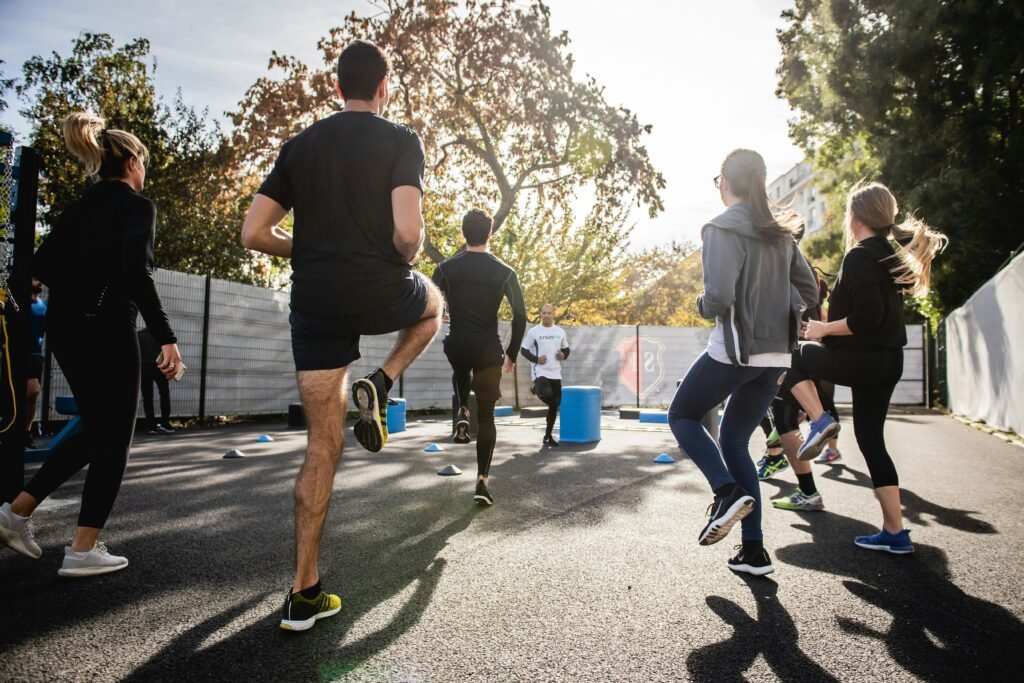
Mindful running is gaining traction as a key component of modern training. It goes beyond the physical benefits to embrace mental well-being. Runners are now focusing on being present during their runs, tuning into their surroundings and bodily sensations.
This practice encourages individuals to release stress and anxiety while embracing every stride. Listening to your breath or feeling the rhythm of your feet can transform an ordinary run into a meditative experience.
Journaling post-run has also become popular. Reflecting on thoughts and emotions enhances self-awareness, providing insights that runners might overlook otherwise.
Furthermore, integrating breathing techniques aids in grounding oneself amid life’s chaos. This focus fosters resilience both on the track and off it.
As community engagement grows, more groups incorporate mindfulness workshops, creating spaces for shared experiences that deepen connections among runners while promoting mental health awareness in fitness culture.
Eco-Friendly Running: Sustainability in the Sport
Eco-friendly running is gaining momentum as athletes become more aware of their impact on the planet. Runners are seeking sustainable gear, from biodegradable shoes to apparel made from recycled materials.
Brands that prioritize eco-conscious practices are emerging, offering innovative products without compromising performance. This shift not only benefits your run but also contributes to environmental preservation.
Trail clean-up events and tree-planting initiatives have become popular among running communities. Participants often combine fitness with philanthropy, creating a sense of purpose in each stride.
Additionally, virtual races reduce carbon footprints by eliminating travel needs while allowing runners to contribute to green charities. The growing trend emphasizes community engagement and collective responsibility toward our environment.
As awareness continues to spread, we can expect even greater integration of sustainability into the sport. Eco-friendly choices will shape the future of running for generations to come.

FAQs
Running trends in 2026 focus on technology, sustainability, personalized training, and mental well-being. Wearable devices, running apps, virtual races, smart gear, and eco-friendly products are becoming increasingly important to modern runners.
Modern running gear increasingly emphasizes lightweight construction, breathable materials, customized fits, cushioning, durability, and sustainability. Some products also incorporate smart technology to provide runners with additional performance information.
Wearable devices can track metrics such as heart rate, distance, pace, activity, and sleep. Runners can use this information to monitor training progress and make more informed decisions about their workouts and recovery.
Yes. Virtual races offer runners the flexibility to participate from different locations. They can complete distances on their own routes while using online platforms, leaderboards, challenges, or social communities to stay motivated.
Mindful running encourages runners to pay attention to breathing, movement, surroundings, and how they feel during a run. Practices such as mindful breathing and post-run reflection can complement physical training and support overall well-being.
Eco-friendly running focuses on reducing the environmental impact of running through sustainable footwear, recycled or responsibly sourced apparel, reusable hydration products, lower-impact events, and community activities such as trail cleanups.