
Table of Contents
Are you ready to hit the trails this weekend? Whether you’re a seasoned hiker or just starting out, having a well-thought-out packing list can make all the difference. Imagine stepping into nature with everything you need at your fingertips comfort, safety, and enjoyment wrapped up in your trusty hiking backpack 2026. You’ll be prepared to tackle any challenge that comes your way while soaking in stunning views and fresh air.
But what exactly should go into that essential pack? Packing for a hike requires careful consideration of various factors such as duration, weather conditions, and personal needs. From sturdy footwear to navigation tools and even personal medications, each item plays a crucial role in ensuring a smooth adventure. Let’s dive deeper into what you really need for an unforgettable weekend trek!
Why a Good Weekend Hiking Packing List Matters
A well-crafted packing list is your secret weapon for a successful hiking experience. It not only keeps you organized but also ensures that you’re prepared for the unexpected.
Imagine arriving at your campsite only to realize you’ve forgotten essential gear. That can turn a fun adventure into a stressful ordeal quickly. A good weekend hiking packing list helps prevent these mishaps.
Furthermore, every hike presents its own challenges weather can change, trails can be tougher than expected, and even personal needs might arise. Having the right items on hand allows you to adapt without worry.
Being well-prepared contributes to peace of mind. You’ll feel confident stepping onto the trail knowing that everything you need is securely tucked into your hiking backpack 2026. Enjoying nature becomes effortless when you’re equipped for whatever comes your way!
Essential Hiking Backpack
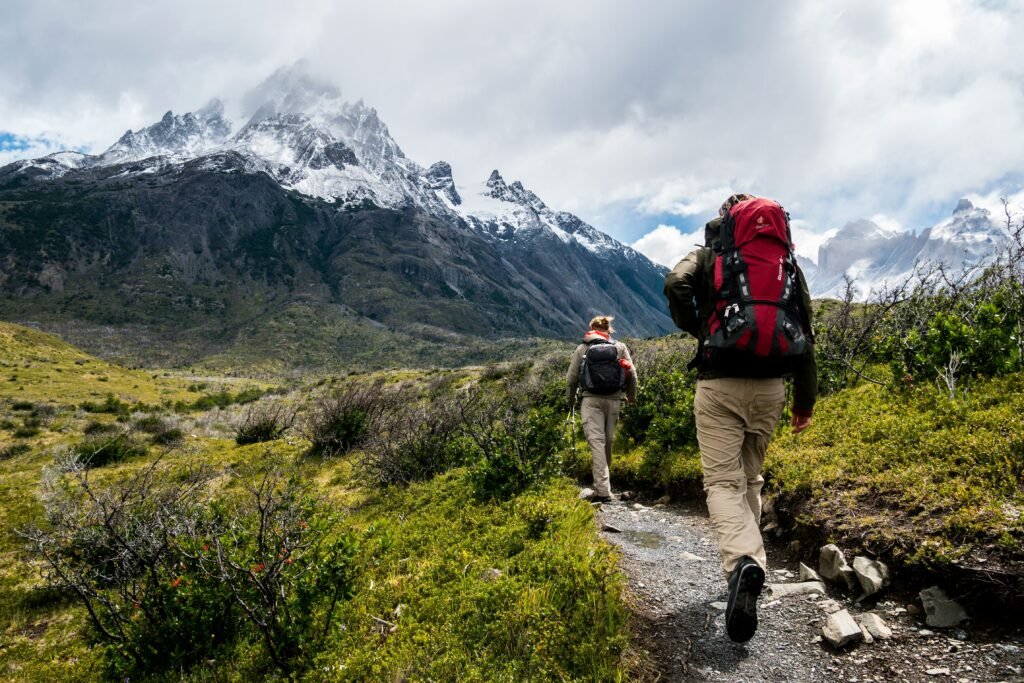
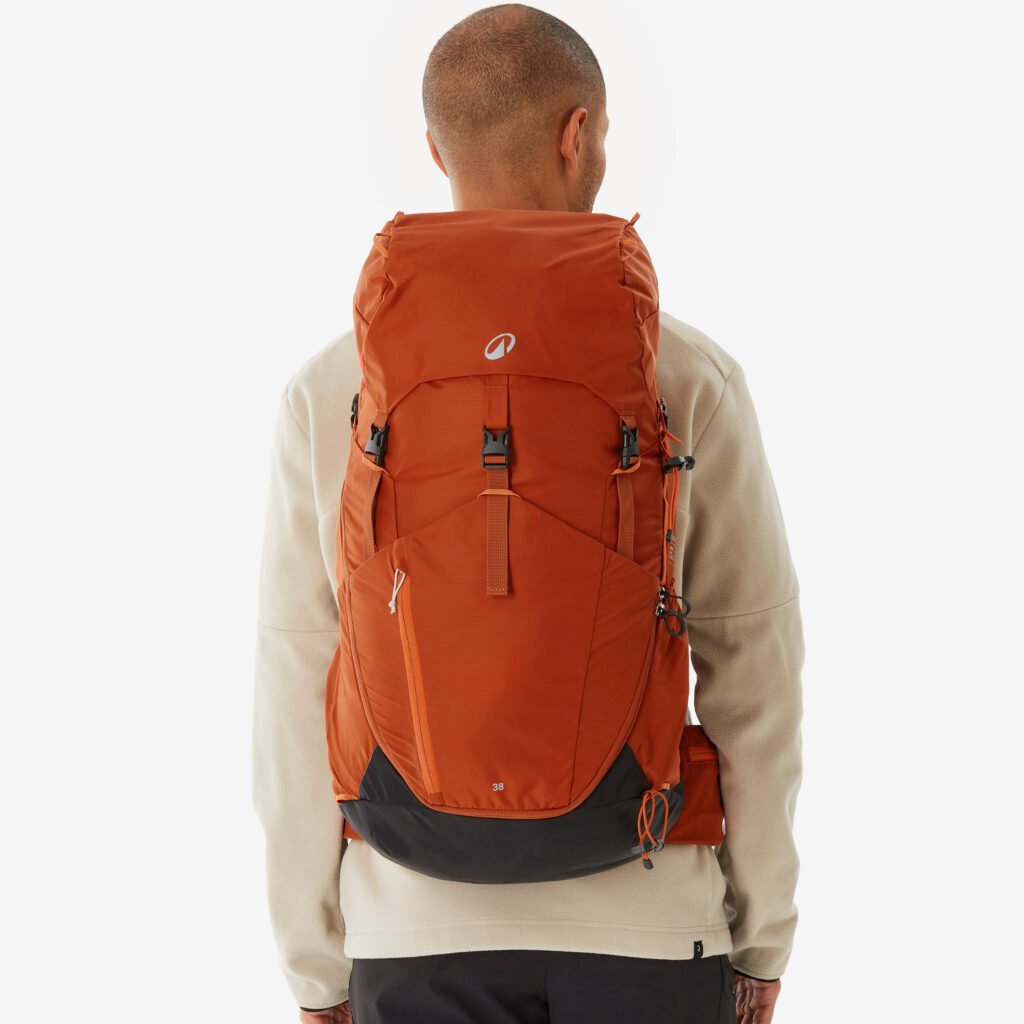
Choosing the right hiking backpack makes all the difference in your trekking experience. A well-designed hiking backpack is essential for comfort and convenience.
Look for a bag that offers ample storage space but isn’t overly bulky. Capacity typically ranges from 30 to 70 liters, depending on your trip duration. For weekend hikes, a pack around 50 liters usually suffices.
Comfort features are crucial too. Padded shoulder straps, an adjustable sternum strap, and even a hip belt can help distribute weight evenly across your body. This will reduce strain during long treks.
Durability matters as well; opt for water-resistant materials with reinforced stitching to withstand rugged terrains.
Consider extra pockets or compartments within the design for easy access to snacks or navigation gear while you’re on the move. Your hiking backpack should feel like an extension of you rather than just another piece of gear.
Hiking Clothes for a Weekend Trek
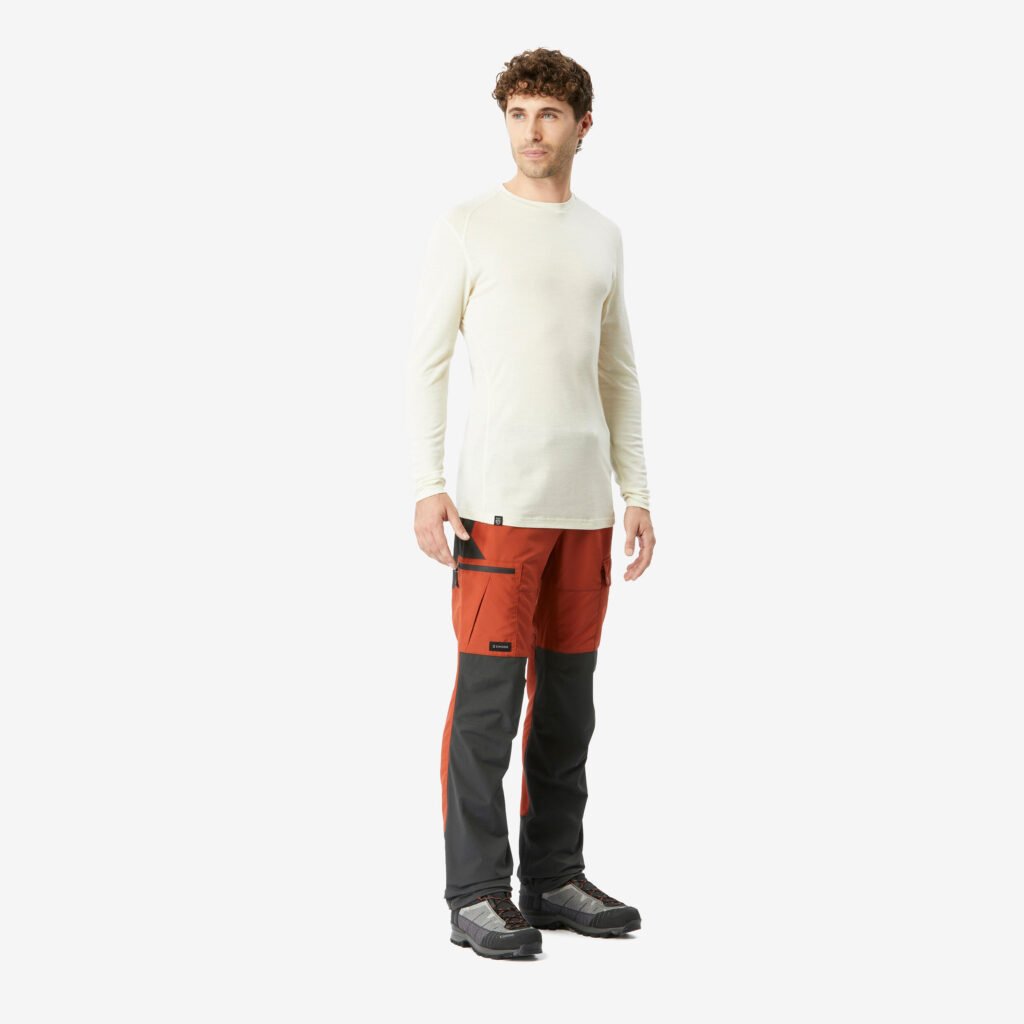
Choosing the right hiking clothes is crucial for comfort and safety. Start with moisture-wicking base layers that keep sweat away from your skin. This helps regulate body temperature, especially during strenuous climbs.
Opt for lightweight, breathable materials in your mid-layers. Fleece or thin down jackets can provide warmth without bulk. They’re easy to pack and versatile enough for changing weather conditions.
Don’t forget about your outer layer! A waterproof jacket will shield you from unexpected rain showers while allowing breathability to prevent overheating.
Pants should be flexible yet durable. Consider convertible pants that transform into shorts as temperatures rise throughout the day.
Accessories like a wide-brimmed hat and sunglasses protect against sun exposure, while gloves might come in handy if it gets chilly on high altitudes.
Layering effectively ensures you’re ready for whatever nature throws at you during your weekend adventure.
Hiking Boots and Footwear
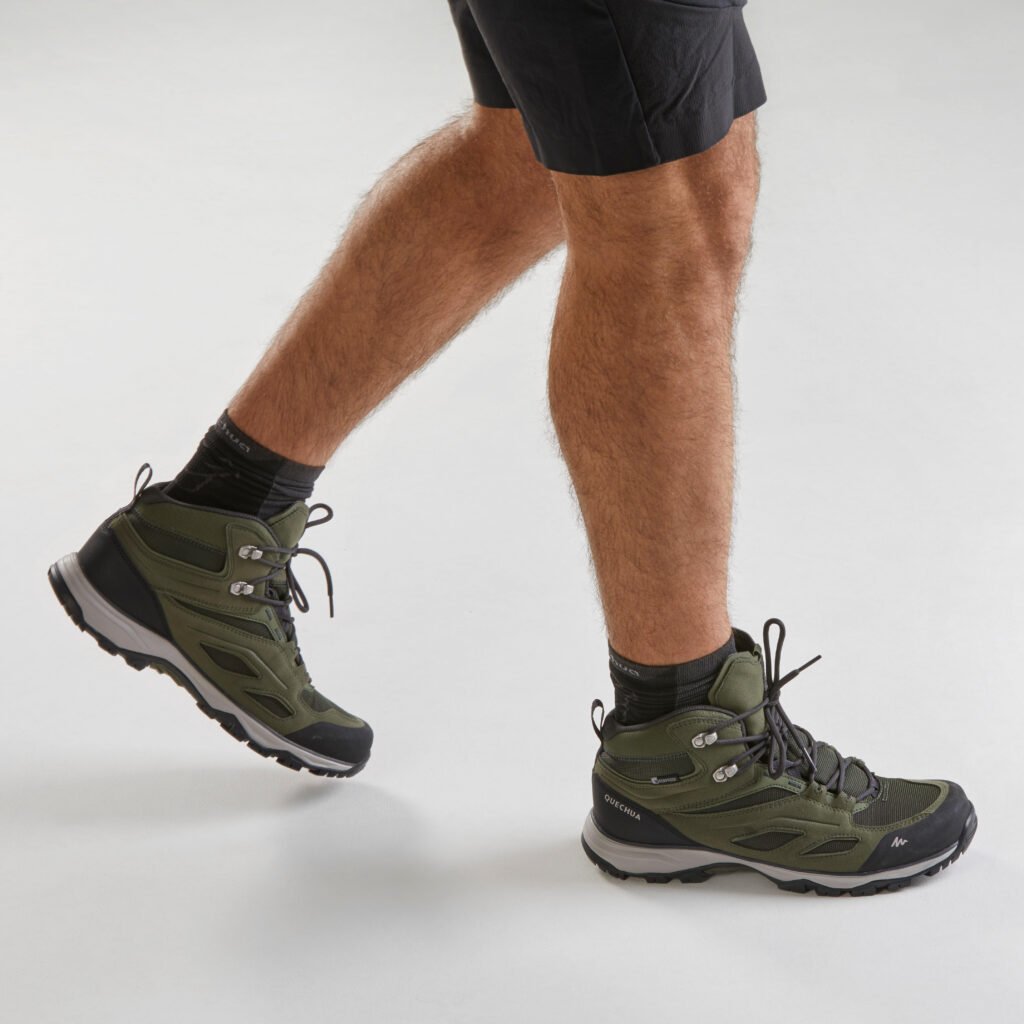
Choosing the right hiking boots or footwear is crucial for a successful trek. Comfort and support are key features that should never be overlooked. You want to ensure that your feet feel good, even after hours of walking.
Consider the terrain you’ll encounter. If you’re navigating rocky paths or muddy trails, opt for sturdy boots with good traction. Waterproof options can keep your feet dry in wet conditions, enhancing overall comfort.
Don’t forget about breathability too! A well-ventilated shoe will help prevent blisters and discomfort during long hikes.
For those who prefer lighter loads, trail runners can be an excellent choice for moderate hikes. They offer flexibility and agility without sacrificing grip.
Whichever option you choose, make sure to break them in before hitting the trails. This prevents painful surprises when you’re far away from home.
Navigation and Communication Gear
When heading out on a weekend hike, navigation and communication gear are essential. A reliable map and compass can be lifesavers in dense forests or mountainous terrain. Familiarize yourself with how to use them before hitting the trail.
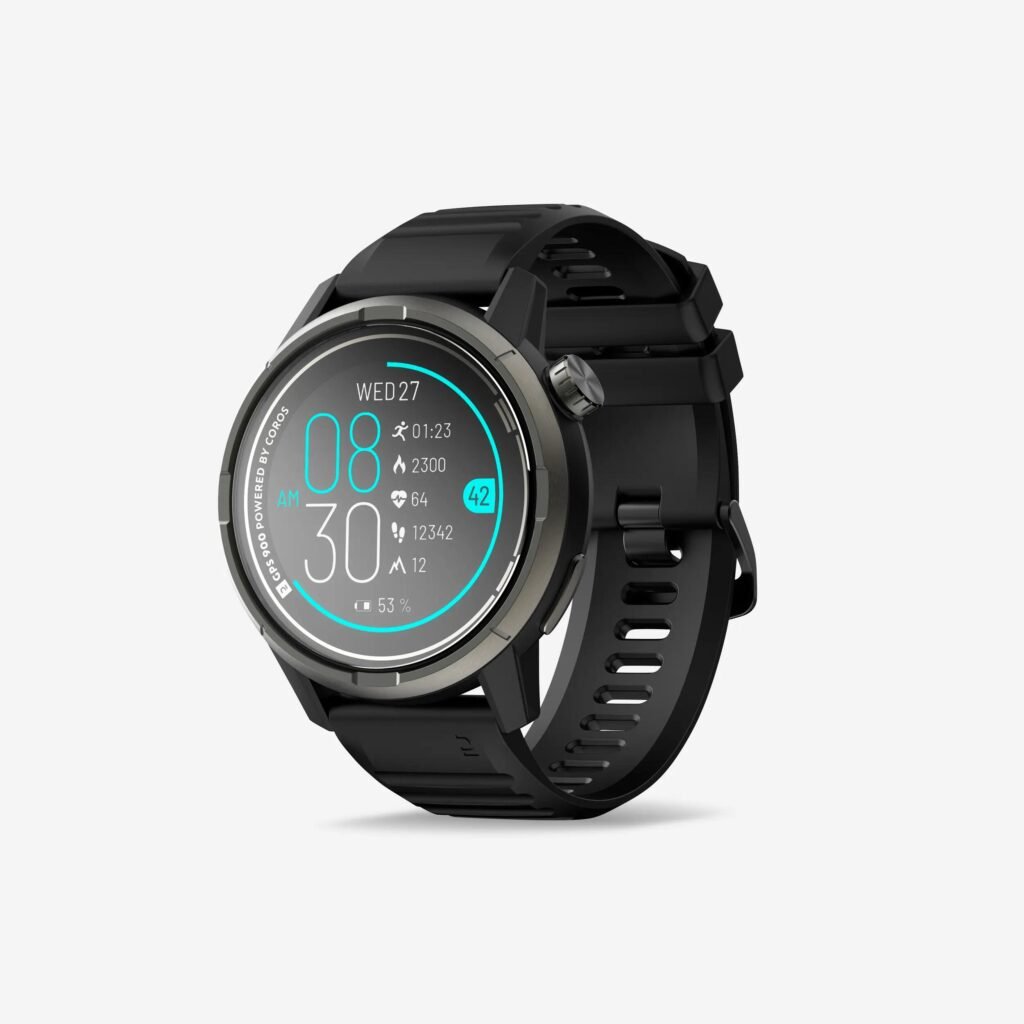
Consider investing in a GPS device or smartphone app that offers offline maps. These tools help you track your route without draining your battery too quickly.
Don’t forget about portable chargers for your devices; they can keep you connected when it matters most.
A whistle is another handy item to carry for emergencies it’s lightweight and effective at signaling for help if needed.
Consider bringing a two-way radio if you’re hiking with a group. This enables quick communication without relying solely on cellphone service, which may falter in remote areas. Stay safe while enjoying nature!
First Aid and Emergency Supplies
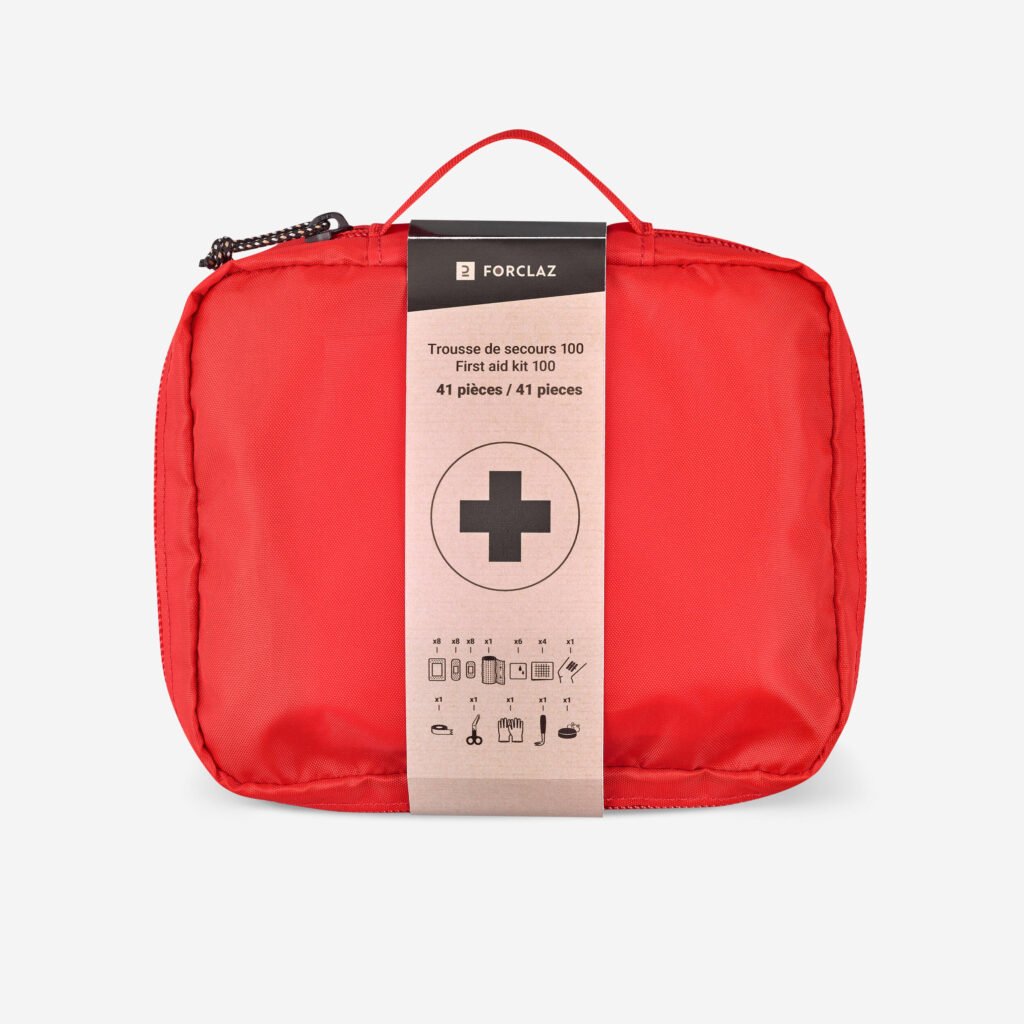
When heading out on a weekend hike, safety should always be a priority. Packing a first aid kit is essential for addressing minor injuries or unexpected mishaps.
Your kit should include adhesive bandages, antiseptic wipes, and gauze. Don’t forget tweezers for splinters and scissors for any necessary cutting.
Include pain relief medication and personal medications that you might need during your trek. It’s wise to have an emergency blanket too; it can provide warmth in case of sudden weather changes.
A whistle can be invaluable if you need to signal for help. Consider bringing a small flashlight or headlamp with extra batteries as well.
Having these supplies nearby will increase your confidence while hiking, allowing you to focus more on enjoying the trail ahead rather than worrying about what could go wrong.
Camping Gear for an Overnight Hiking Trip
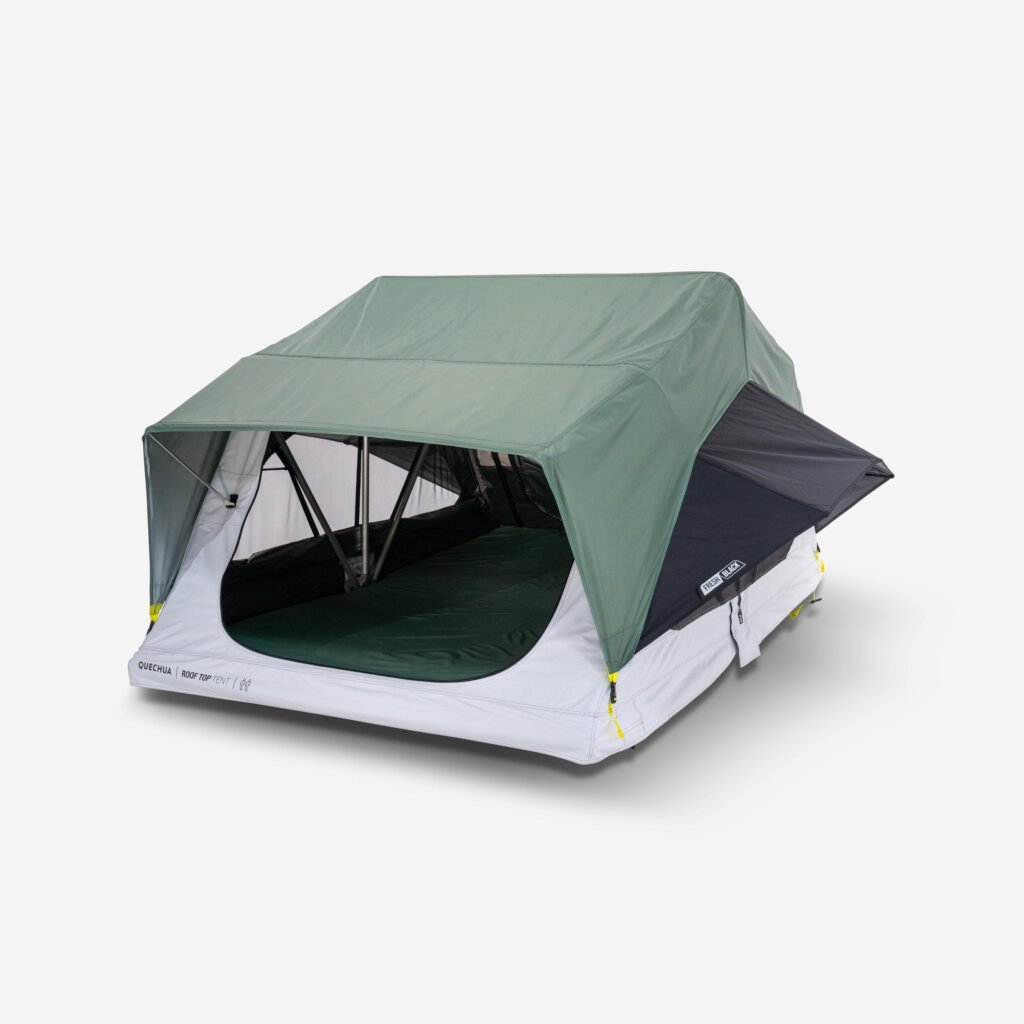
When planning an overnight hiking trip, camping gear is essential for a comfortable and safe experience. A lightweight tent should be at the top of your list. Look for one that’s easy to set up and can withstand various weather conditions.
Sleeping bags are another key item. Choose one rated for the temperatures you expect during your trek. Insulation matters; synthetic materials work well in damp conditions while down offers excellent warmth-to-weight ratios.
Cooking equipment is also crucial. A compact camp stove paired with lightweight cookware will allow you to prepare meals efficiently on the trail. Don’t forget utensils, biodegradable soap, and a sturdy cooler if you’re bringing perishables.
Consider portable lighting options like headlamps or lanterns to brighten your campsite after dark. All these items contribute to a more enjoyable outdoor adventure where comfort meets exploration.
Weather Protection and Extra Layers
Weather can be unpredictable, especially in the great outdoors. It’s crucial to prepare for sudden changes. Packing extra layers ensures you stay comfortable, no matter the conditions.
Start with a moisture-wicking base layer. This helps keep sweat away from your skin and regulates body temperature. Consider adding an insulating mid-layer for warmth during chilly moments.
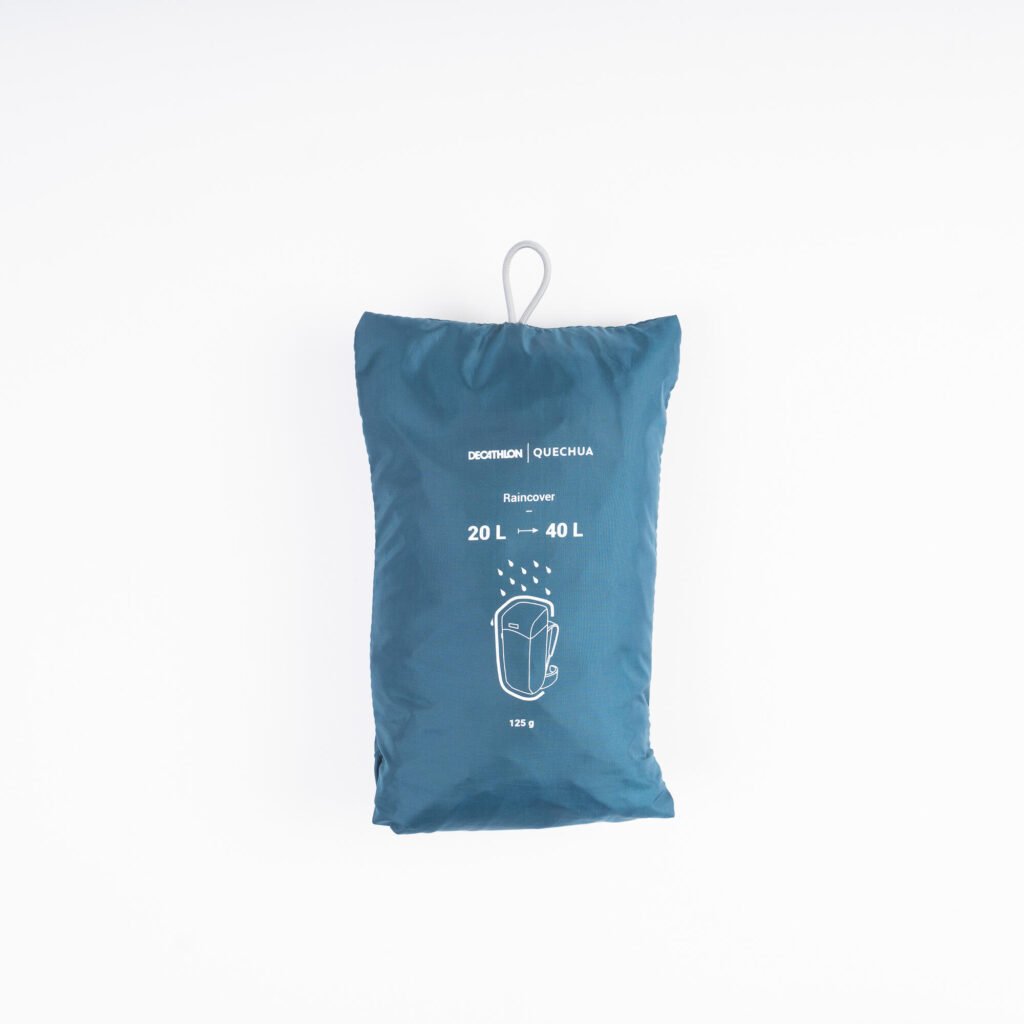
A waterproof outer shell is essential for rain or wind protection. Look for lightweight options that pack easily into your hiking backpack 2026. These will shield you without weighing you down.
Don’t forget accessories like hats and gloves! They provide additional warmth and sun protection when needed. A versatile scarf can serve multiple purposes, whether it’s blocking cold air or shielding against sunburn.
Layering not only keeps you cozy but also allows easy adjustments as temperatures fluctuate throughout your hike.
FAQs
What should I include in my hiking backpack for a short trip?
A good packing list includes water, snacks, navigation tools, and a first aid kit. If you’re going overnight, also pack camping essentials such as a tent and sleeping bag.
How do I choose the best hiking boots?
Look for hiking boots that fit well and provide the support you need for your terrain. Waterproof options can be useful in wet conditions. Break in new hiking boots before taking them on a longer trek.
Should I carry personal medications while hiking?
Yes. Bring any personal medications you may need during your hike. Keeping necessary medications with your hiking supplies can help you prepare for unexpected situations.
Can I use my regular backpack as a hiking backpack?
You can use a regular backpack for some short or easy outings, but specialized hiking backpacks generally provide features such as better weight distribution, supportive straps, additional compartments, and hydration compatibility.
What if the weather changes suddenly while I’m out?
Check the weather forecast before leaving and prepare for unexpected changes by carrying extra layers and waterproof gear. A lightweight waterproof outer layer can be particularly useful when conditions change quickly.
What should I pack for an overnight hiking trip?
For an overnight trip, consider adding a suitable tent, sleeping bag, cooking equipment, food, lighting, extra clothing, first aid supplies, navigation equipment, and weather protection to your basic hiking essentials.
How large should my hiking backpack be for a weekend trip?
The article suggests that weekend hikes commonly work well with a backpack around 50 liters, although the ideal capacity depends on the amount of gear you need, the trip duration, and your personal packing style.