
Introduction to Sustainable Fashion
Fashion is often seen as a way to express individuality, but the reality behind many trendy pieces can be alarming. The rise of fast fashion has led to an explosion of inexpensive clothing that comes with a hefty environmental price tag. As more people become aware of this impact, sustainable fashion is gaining traction. Building an eco-friendly wardrobe not only helps the planet but also encourages us to think critically about our choices.
Imagine walking into your closet and seeing items that you love—pieces that are not only stylish but also kind to Mother Earth. Transitioning to a sustainable wardrobe doesn’t mean sacrificing style or breaking the bank; it’s all about making conscious decisions and finding alternatives that resonate with your values. Ready to dive in? Let’s explore how you can embrace sustainable style without compromise!
The Environmental Impact of Fast Fashion
Fast fashion has transformed the clothing industry, but at a significant cost to our planet. The rapid production cycles lead to massive waste and pollution.
Every year, millions of tons of textiles end up in landfills. Most garments are discarded after just a few wears, contributing to an ever-growing mountain of waste.
Manufacturing processes consume vast amounts of water and energy. This not only depletes natural resources but also generates harmful emissions that pollute air and waterways.
Moreover, synthetic fibers like polyester release microplastics when washed. These tiny particles infiltrate oceans, affecting marine life and ecosystems.
The exploitation doesn’t stop there; fast fashion often relies on cheap labor in developing countries. Workers face unsafe conditions for minimal pay while brands profit immensely from their work.
Choosing quality over quantity can help mitigate these issues by promoting more sustainable practices across the industry.
Tips for Building a Sustainable Wardrobe
Building a sustainable wardrobe starts with intention. Assess your current clothing collection and identify what you truly wear. This helps you understand your style and reduces impulse buys.
Invest in timeless pieces that can be mixed and matched effortlessly. Versatile items save space and money, while ensuring longevity in your closet.
Prioritize quality over quantity. Choose garments made to last rather than trendy fast fashion finds that quickly fall apart.
Plan your purchases thoughtfully. Create a wish list based on gaps in your wardrobe instead of shopping out of boredom or habit.
Consider the lifecycle of each item before buying. Will it serve multiple seasons? Can it transition from day to night?
Embrace slow fashion principles by taking time to research brands committed to sustainability practices, ethical labor standards, and eco-friendly materials before hitting ‘add to cart.’
Choosing Sustainable Fabrics and Materials
When it comes to sustainable fashion, the choice of fabric is crucial. Opting for natural fibers like organic cotton, linen, and hemp can significantly reduce your environmental footprint. These materials are biodegradable and often produced with fewer chemicals.
Recycled fabrics also deserve a spotlight. Look for items made from recycled polyester or upcycled textiles. They help divert waste from landfills while giving new life to used materials.
Don’t overlook innovative options either. Fabrics made from Tencel or bamboo are not only eco-friendly but also incredibly soft and breathable.
Always check certifications as well. Labels like GOTS (Global Organic Textile Standard) ensure that the production process adheres to strict ecological criteria.
By being mindful of your choices, you contribute positively to the planet while enjoying stylish pieces that stand out in any wardrobe.
Thrifting and Secondhand Shopping
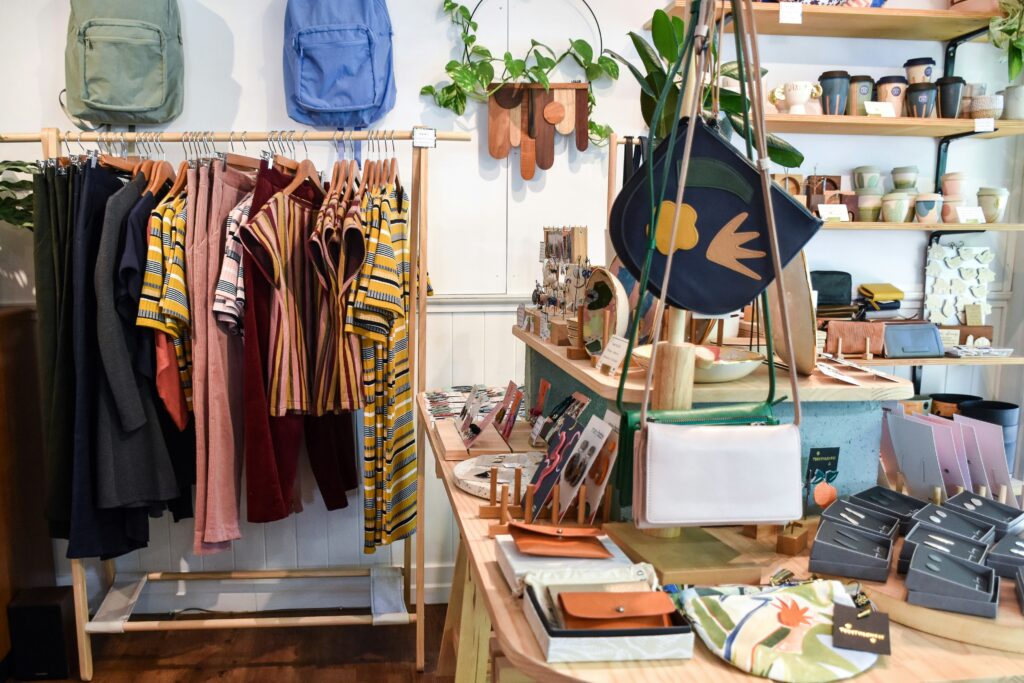
Thrifting and secondhand shopping are treasures waiting to be discovered. Each piece tells a story, offering a unique character that mass-produced clothes lack. You never know what gems you might find—vintage dresses, classic denim jackets, or quirky accessories.
Exploring thrift stores can feel like a treasure hunt. It’s exciting to sift through racks of clothing and uncover hidden delights. Plus, it’s kind on your wallet. Secondhand items often come at a fraction of the original price.
Many people enjoy the thrill of upcycling their finds too. A simple alteration can transform an overlooked item into something fresh and fashionable.
Shopping secondhand also reduces waste and minimizes demand for new production processes that harm our planet. Every vintage piece is one less garment in landfills, making each purchase count toward sustainability while enhancing your personal style.
Supporting Ethical and Transparent Brands
Choosing to support ethical and transparent brands means prioritizing companies that are committed to fair labor practices and sustainable production methods.
Look for brands that disclose their supply chain. Transparency is key in understanding where and how your clothes are made. Companies that share this information often take pride in their sourcing practices.
Consider the impact of your purchase. Brands focused on sustainability tend to invest in eco-friendly materials, reducing waste and pollution.
Research certifications like Fair Trade or GOTS (Global Organic Textile Standard). These labels indicate a commitment to social responsibility and environmental stewardship.
Follow these brands on social media or subscribe to their newsletters for updates on new collections, values, and initiatives they champion. Engaging with them creates a community around shared ideals.
Every choice you make sends a message about what matters most—fashion doesn’t have to come at the expense of our planet or its people.
How to Maintain a Sustainable Wardrobe
Maintaining a sustainable wardrobe is an ongoing journey that requires mindfulness and commitment. Start by caring for your clothes properly. Follow washing instructions to prolong their life and minimize environmental impact. Air drying instead of using the dryer can significantly reduce energy consumption.
When items do wear out, consider repair over replacement. A small tear or loose button can often be mended easily at home or by a local tailor. This not only saves money but also extends the lifespan of your favorite pieces.
Another key aspect is being selective about new purchases. Before adding something new, ask yourself if it fits with your existing wardrobe and lifestyle needs. Aim to buy versatile pieces that you can mix and match in different ways.
Regularly evaluate your closet too; this helps keep it organized and functional while allowing you to rediscover forgotten treasures. If certain items no longer serve you, think about swapping them with friends or donating them to charity rather than throwing them away.
Staying informed on sustainable practices within fashion will empower you as a conscious consumer. Keep up with brands that prioritize eco-friendly practices, ethical production methods, and transparency in their supply chains.
Building and maintaining a sustainable wardrobe doesn’t have to feel overwhelming—it’s all about making thoughtful choices every day that align with your values while enjoying the process of self-expression through style.