

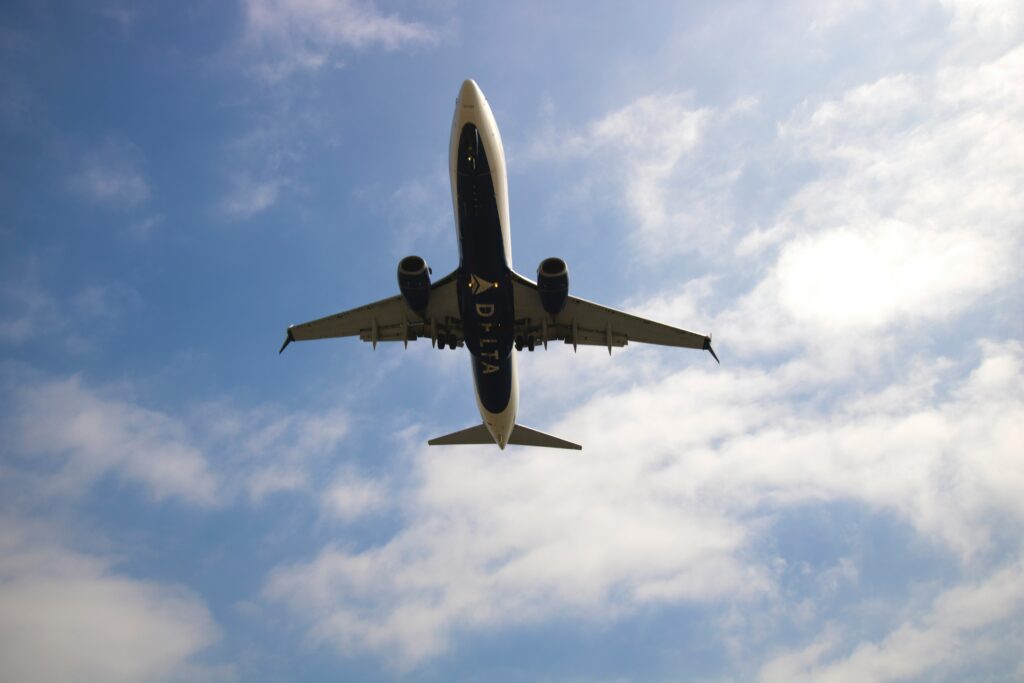
Introduction to Delta Air Lines
Delta Air Lines has come a long way since its modest beginnings. What started as a small crop-dusting operation in the 1920s has transformed into one of the world’s leading airlines, connecting millions of passengers across the globe. As it soars through the skies, Delta continues to evolve and adapt to an ever-changing aviation landscape.
The journey hasn’t been without its bumps along the way. From navigating economic downturns to embracing new technologies, Delta’s story is one of resilience and innovation. With a keen focus on customer experience and sustainability, this airline is not only flying high but also setting industry standards for excellence.
Join us as we explore how Delta Air Lines became synonymous with quality service and reliability while keeping an eye on what lies ahead in their ambitious flight plan for the future.
The Early Years: Delta’s Beginnings and Expansion
Delta Air Lines began its journey in 1924, originally operating as a crop-dusting service known as Huff Daland Dusters. This modest beginning laid the groundwork for what would become one of the largest airlines in the world.
By 1929, the company transitioned to passenger services, marking a significant shift. It opened routes primarily around the southeastern United States. The focus was on connecting small towns with major cities.
The airline quickly gained traction and expanded its fleet, incorporating advancements in aviation technology. By post-World War II, Delta embraced new opportunities that emerged from increased air travel demand.
Strategic mergers played a crucial role in Delta’s growth during these early years. They absorbed smaller regional airlines and broadened their network significantly. Each merger propelled Delta closer to becoming a household name in aviation history.
Challenges and Setbacks Faced by Delta
Delta Air Lines has faced its fair share of challenges over the years. The airline industry is notoriously volatile, and Delta was not immune to economic downturns. Fluctuating fuel prices have often strained profitability, forcing the company to adapt quickly.
In addition, Delta encountered operational setbacks such as technical glitches and extreme weather events. These disruptions led to flight cancellations that frustrated passengers and impacted reputation.
The aftermath of the 9/11 attacks also posed a significant hurdle for Delta. With travel demand plummeting, the airline had to navigate through uncharted waters while re-establishing trust with travelers.
Labor disputes added another layer of complexity. Negotiations with unions created tension at times, impacting morale within their workforce. Through these trials, resilience became key in shaping Delta’s response and strategy moving forward.
A New Era: Rebranding and Innovations
Delta Air Lines entered a transformative phase, embracing the need for rebranding and innovation. This shift was not just cosmetic; it represented a renewed commitment to excellence.
The airline revamped its logo, introducing sleek designs that resonated with modern travelers. The bold new look set the tone for what was to come—a focus on customer-centric services and sustainable practices.
Technology took center stage as Delta launched innovative solutions like in-flight Wi-Fi and mobile check-in. These advancements made air travel more convenient and connected than ever before.
Additionally, partnerships with tech companies enhanced operational efficiency. By integrating cutting-edge software into their systems, Delta streamlined processes from booking to boarding.
This era marked a significant pivot towards meeting evolving consumer expectations while staying ahead of industry trends. It demonstrated how adaptability can lead an airline toward greater heights in service delivery and brand loyalty.
Improvements in Customer Experience
Delta Air Lines has made significant strides in enhancing the customer experience. The airline understands that flying can often be stressful. To counter this, they have invested heavily in technology and personalized services.
The introduction of the Fly Delta app is a game changer. Passengers can manage their bookings effortlessly, receive real-time updates, and even access boarding passes on their smartphones. This convenience helps reduce anxiety before flights.
In-flight offerings have also evolved dramatically. Enhanced Wi-Fi connectivity allows travelers to stay connected while airborne, making long journeys more bearable. Upgraded meal options cater to diverse tastes and dietary needs, ensuring every passenger finds something enjoyable.
Moreover, Delta’s focus on attentive service is evident through its well-trained staff who strive to create a welcoming atmosphere at every touchpoint. From check-in to landing, customers feel valued throughout their journey with Delta Air Lines.
Sustainability Efforts and Partnerships
Delta Air Lines is making significant strides in sustainability. The airline aims to reduce its carbon footprint through innovative initiatives.
One major focus is the commitment to become carbon neutral by 2030. This ambitious goal involves investing in sustainable aviation fuel (SAF) and modernizing fleets with more efficient aircraft.
Partnerships play a crucial role in this journey. Delta collaborates with various organizations, including environmental groups and technology firms, to enhance eco-friendly practices across operations.
Additionally, the airline supports reforestation projects worldwide. Each tree planted contributes to offsetting emissions generated during flights.
These efforts reflect Delta’s dedication not just to flying but doing so responsibly and ethically. As awareness of climate change grows, the airline remains at the forefront of sustainable travel solutions within the industry.
Future Plans and Goals for Delta
Looking ahead, Delta Air Lines is poised to continue its ascent in the aviation industry. The airline has set ambitious targets for expanding its global network and enhancing operational efficiency. With a focus on technology, Delta aims to streamline processes and improve customer interactions.
Sustainability remains at the forefront of Delta’s future plans. The commitment to reducing carbon emissions aligns with growing concerns about climate change. By investing in fuel-efficient aircraft and exploring alternative fuels, Delta seeks to minimize its environmental footprint.
Customer experience will also take center stage as the airline rolls out new initiatives aimed at personalizing travel for passengers. This includes leveraging data analytics to tailor services and create memorable journeys.
As it navigates an ever-evolving landscape, Delta intends to forge stronger partnerships within the industry while remaining responsive to passenger needs. With these initiatives in place, Delta Air Lines stands ready not just to soar but also redefine what it means to provide exceptional air travel experiences in the years ahead.