

Introduction to Minimalism and its Benefits
Have you ever felt overwhelmed by the clutter around you? You’re not alone. Many are seeking a way to escape the chaos of modern life, and minimalism offers a refreshing path toward simplicity and contentment. It’s more than just tidying up; it’s about creating physical and mental space for what truly matters.
Imagine waking up in an uncluttered room, surrounded only by items that spark joy or serve a purpose. That feeling of tranquility can extend beyond your home, influencing your relationships, work-life balance, and overall happiness. Minimalism encourages intentional living—a chance to focus on experiences rather than possessions.
Whether you’re curious about adopting minimalist principles or simply looking for ways to simplify your everyday routine, this guide will help illuminate the benefits of embracing less. Join us as we explore how simplifying your lifestyle can pave the way for greater happiness and fulfillment in today’s fast-paced world.
The Difference Between Minimalism and Decluttering
Minimalism and decluttering are often used interchangeably, but they represent distinct concepts. Decluttering focuses on the act of removing excess items from your space. It’s about tidying up, organizing, and creating a cleaner environment.
On the other hand, minimalism is a philosophy that goes deeper. It invites you to rethink your relationship with possessions altogether. Minimalists aim for more than just an organized home; they seek a lifestyle centered around intentionality and purpose.
While decluttering can lead to temporary relief from clutter stress, minimalism fosters long-term satisfaction by encouraging mindful choices about what truly adds value to your life. This mindset shift affects how you view not only physical belongings but also experiences and commitments.
Understanding this difference empowers you to create lasting change rather than simply addressing surface-level issues in your living space.
The Process of Simplifying Your Life: A Step-by-Step Guide
Start by assessing your current situation. Take a good look at your belongings, commitments, and daily routines. Identify what truly adds value to your life.
Next, set clear intentions. Decide why you want to embrace minimalism. This motivation will guide you through the process.
Begin with one area of your life—perhaps a room or even just a drawer. Sort through items systematically: keep, donate, or discard.
Establish simple systems for organization. Use baskets or shelves to create designated spaces for essential items.
Practice saying no more often. Protect your time and energy from unnecessary obligations that don’t align with your goals.
Incorporate regular check-ins into your routine. Reflect on what’s working and what needs adjustment, keeping the focus on simplicity and joy in each step forward.
Tips for Letting Go of Material Possessions
Letting go of material possessions can feel daunting. Start small. Choose one room or area to focus on initially. This makes the task more manageable.
Ask yourself questions about each item: Do I use this? Does it bring me joy? If the answer is no, consider parting ways with it.
Set a timeline for decision-making to avoid lingering attachments. Maybe give yourself a week for clothes or a month for books.
Consider donating items instead of tossing them in the trash. Giving things a new life can provide fulfillment and reduce waste.
Use digital alternatives when possible—scan photos, store important documents online, and enjoy e-books instead of physical copies.
Remember that memories are not tied to objects; cherish experiences instead. Embracing this mindset will help ease your attachment to things while promoting growth in your minimalist journey.
Embracing Mindfulness in a Minimalist Lifestyle
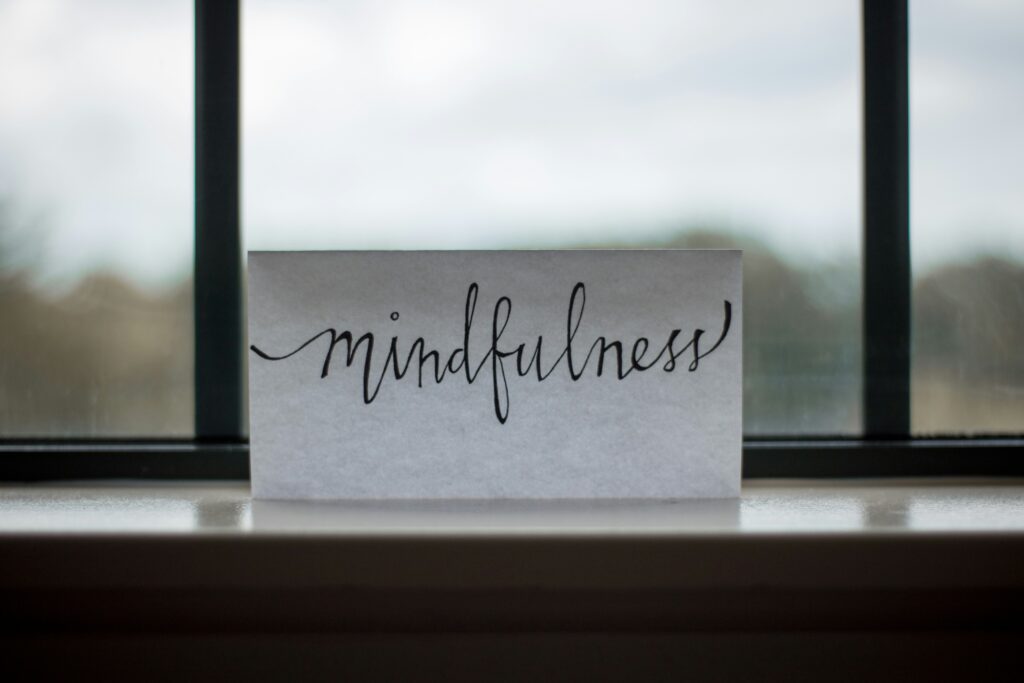
Mindfulness and minimalism go hand in hand. When you live with less, it creates space for more awareness. Each moment becomes an opportunity to appreciate what truly matters.
Being mindful means tuning into your surroundings, thoughts, and feelings without distraction. In a minimalist lifestyle, this practice deepens your connection to the essentials.
Focus on experiences rather than possessions. Savor a quiet morning with coffee or the beauty of nature during a walk. These moments enrich life far beyond any material item could.
Instead of rushing through tasks, engage fully in each one. Whether it’s cooking or reading, immerse yourself completely in that experience. This helps cultivate gratitude for simple pleasures.
Creating intentional routines can also enhance mindfulness. Set aside time for meditation, journaling, or simply reflecting on your day’s events. Embracing these practices fosters clarity and joy amidst simplicity.
Applying Minimalism Beyond Material Possessions
Minimalism extends far beyond just physical items. It invites us to rethink our commitments and relationships as well. Are you holding onto obligations that drain your energy?
Consider simplifying your schedule. Prioritize what truly matters, leaving space for joy and spontaneity. This approach can lead to more fulfilling experiences rather than a packed calendar of tasks.
Embrace digital minimalism too. Evaluate the apps, emails, and notifications that clutter your devices. Unsubscribe from distractions; curate a digital life that enhances focus instead of overwhelming it.
You can also apply minimalism to your thoughts and mindset. Let go of negative self-talk or limiting beliefs. Foster positivity by surrounding yourself with uplifting influences—books, podcasts or people who inspire growth.
By applying these principles across different aspects of life, you’ll create an environment where freedom thrives, making room for more meaningful connections and experiences.
Overcoming Challenges and Maintaining a Simple Lifestyle
Embracing minimalism can be a transformative journey, but it comes with its own set of challenges. One common obstacle is the emotional attachment we often have to our belongings. It’s essential to recognize that memories are not tied to physical items. Consider documenting significant moments through photos or journals instead.
Another hurdle is societal pressure. Many people equate success and happiness with material possessions. Surround yourself with like-minded individuals who share your values about simplicity and mindfulness. This support system can help reinforce your commitment to a minimalist lifestyle.
Maintaining simplicity requires consistent effort. Schedule regular check-ins with yourself and assess what you truly need in your life at that moment. It’s okay for things to change as you evolve; allow room for growth while staying true to your minimalist principles.
Creating routines that prioritize experiences over things will aid in sustaining this new lifestyle. Focus on spending time outdoors, engaging in hobbies, or connecting with loved ones rather than accumulating more stuff.
Remember, it’s perfectly normal to feel overwhelmed occasionally or slip back into old habits. The key lies in being gentle with yourself during these moments of struggle while remaining steadfast in your pursuit of a simpler, happier life guided by the principles of minimalism.