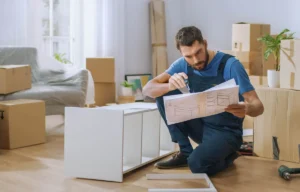


Home emergencies can strike when you least expect them. A burst pipe, a malfunctioning heater, or even a broken window can throw your day into chaos. When these situations arise, the clock is ticking. Quick repairs are essential to minimize damage and restore comfort to your home. But how do you effectively schedule those urgent fixes without losing precious time? That’s where having a solid plan comes into play.
Imagine being able to tackle emergency repairs swiftly and efficiently—without feeling overwhelmed. With the right strategies in place, you can turn potential disasters into manageable tasks. Let’s dive into how you can get ahead of home emergencies and ensure that quick repairs don’t derail your life or leave stress in their wake.
The Importance of Quick Repairs in Home Emergencies
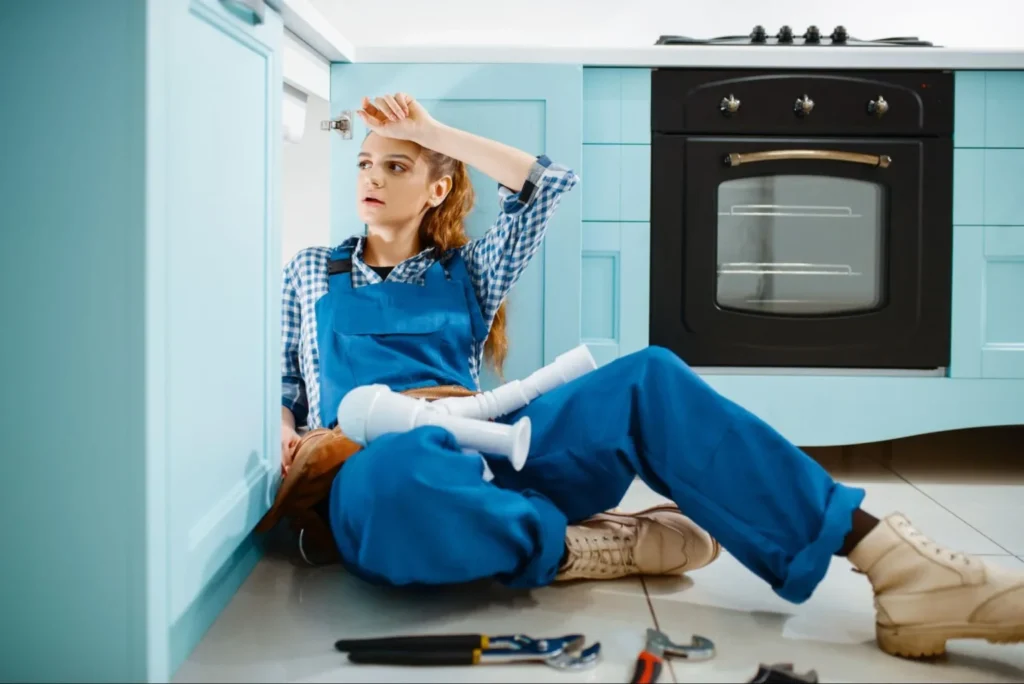
Quick repairs during home emergencies can make a world of difference. When you respond swiftly to issues, you prevent further damage and complications. A small leak can escalate into extensive water damage if left unattended.
In addition to protecting your property, prompt action ensures the safety of everyone in your home. Electrical problems or gas leaks pose serious risks that require immediate attention. The sooner you address these hazards, the safer your environment will be.
Moreover, quick repairs help maintain your home’s value. Potential buyers are often deterred by unresolved issues or visible wear and tear. Keeping everything in top shape not only provides peace of mind but also preserves your investment.
Handling emergencies promptly reduces stress for you and your family. Knowing that you’ve taken care of an urgent issue allows everyone to breathe easier and move forward without lingering worries about what might go wrong next.
Creating a Home Emergency Repair Plan
Creating a home emergency repair plan is essential for every homeowner. Start by identifying common issues that can arise in your space. Water leaks, electrical problems, and appliance malfunctions are among the top concerns.
Next, list out potential solutions or quick fixes for each issue. This could involve simple repairs you can handle yourself or tasks requiring professional help.
Designate a specific area in your home to keep this information handy—whether it’s on paper or stored digitally. Include contact details for reliable local services like Taskrabbit, known for quick repairs during emergencies.
Regularly review and update your plan as needed. Life changes such as new appliances or renovations might affect what you need to address when things go wrong. Being proactive will save precious time and reduce stress when an emergency arises.
Tools and Supplies to Keep on Hand for Quick Repairs
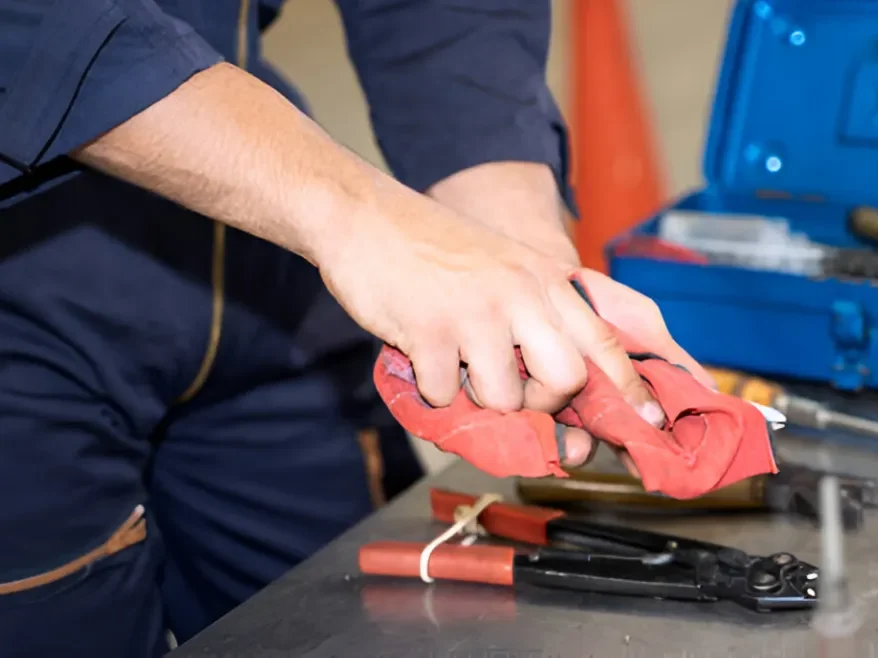
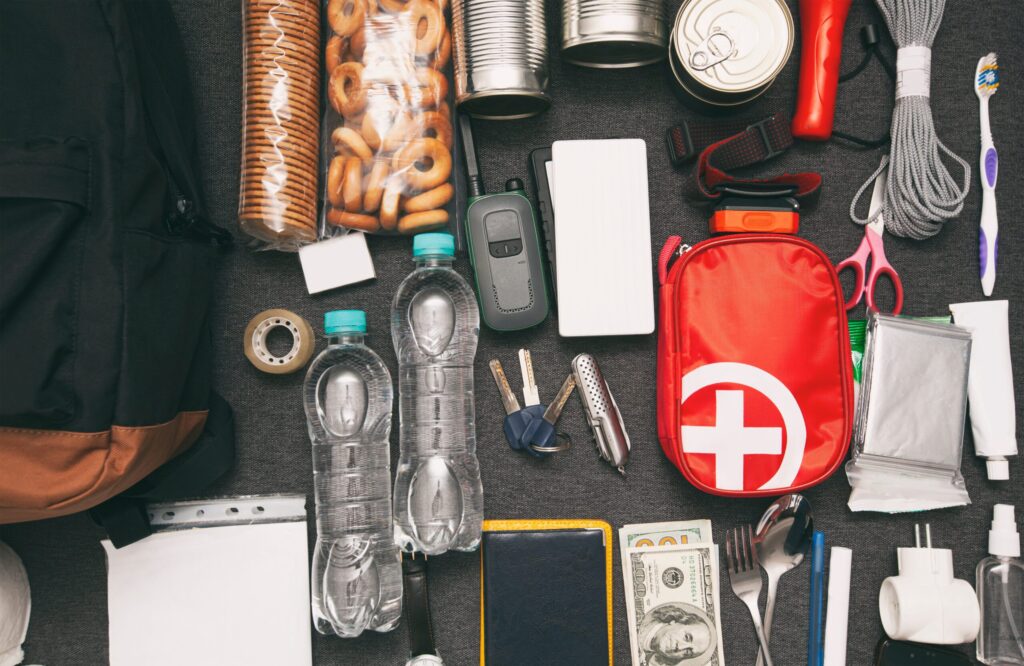
Having the right tools and supplies can make all the difference when a home emergency arises. Start with a good quality toolkit that includes essentials like screwdrivers, pliers, and a hammer. These basics will help you tackle minor repairs quickly.
Don’t forget to stock up on duct tape; it’s versatile for temporary fixes. A roll of electrical tape is also handy for addressing wiring issues until professionals arrive.
Keeping a supply of nails, screws, and anchors ensures you’re prepared for those unexpected hanging or assembly tasks.
You’ll want some plumbing essentials as well—like plumber’s putty and Teflon tape—to handle small leaks before they escalate into bigger problems.
Always have a flashlight nearby in case of power outages. This simple item can help you navigate your space safely during emergencies without wasting time searching for backup lighting sources.
How to Prioritize and Schedule Quick Repairs
When faced with multiple home emergencies, prioritizing repairs becomes essential. Start by identifying what poses an immediate risk to safety or property. Leaking pipes may require urgent attention, while cosmetic issues can wait.
Next, assess the severity of each issue. A broken window in winter needs quick action compared to a squeaky door that doesn’t disrupt daily life.
Once you’ve ranked the repairs based on urgency and impact, create a schedule. Allocate specific days for tackling these tasks and consider your availability.
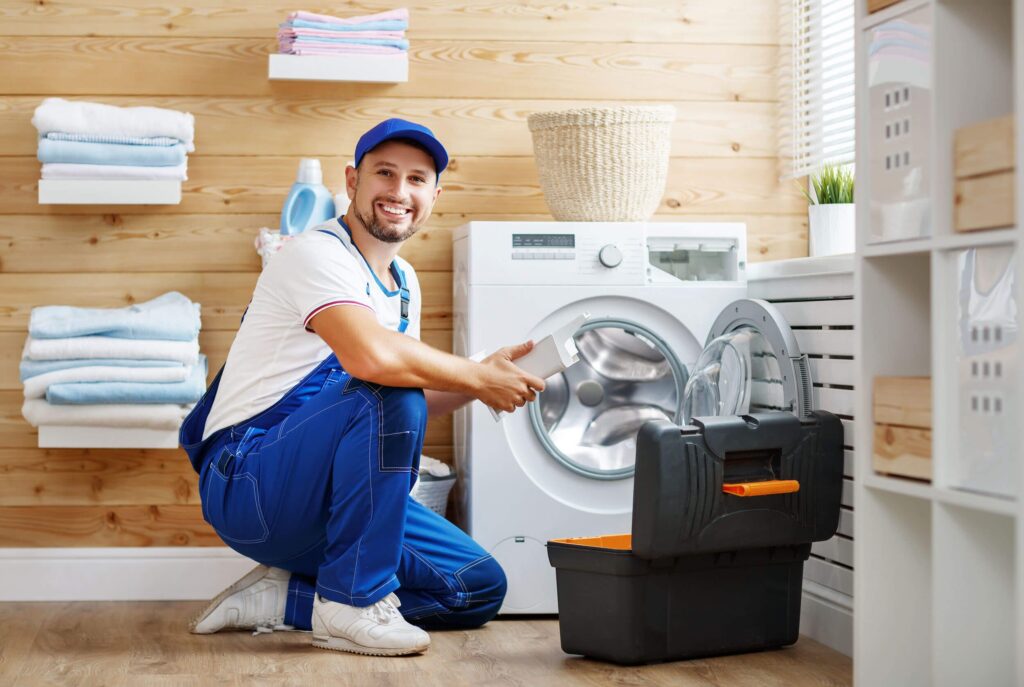
If you’re short on time or skills, platforms like Taskrabbit can be invaluable. You can find local experts who specialize in quick repairs at the click of a button.
Don’t forget to communicate clearly about timelines with any hired help. This ensures everyone is aligned and keeps progress moving smoothly without unnecessary delays.
Tips for Finding Reliable and Efficient Repair Services
Finding reliable repair services can feel overwhelming during a home emergency. Start by asking friends and family for recommendations. Personal experiences often lead to trustworthy professionals.
Next, check online reviews on platforms like Yelp or Google. Look for consistently high ratings and detailed feedback, which can provide insights into their reliability.
Don’t hesitate to reach out directly. A quick phone call can reveal how responsive they are. This is critical when you need immediate help with those quick repairs.
Another option is to explore Taskrabbit. This platform connects you with local taskers who specialize in various home repairs, offering flexibility and convenience.
Always verify credentials before hiring anyone. Ensure they have the necessary licenses and insurance to protect yourself from potential liabilities during the work process.

Budgeting for Unexpected Home Emergencies
Unexpected home emergencies can hit your wallet hard. That’s why budgeting for these situations is essential. Start by setting aside a small percentage of your monthly income specifically for repairs.
Consider creating an emergency fund dedicated solely to household issues. Even a modest amount accumulates over time and provides peace of mind when disaster strikes.
Categorize potential expenses, like plumbing or electrical work. Knowing the typical costs helps you allocate funds more effectively. This preparation ensures you’re not scrambling when something goes wrong.
Additionally, keep track of recent repair history to anticipate future needs better. If you’ve fixed an issue before, it might resurface sooner than expected.
Remember, prioritizing this budget can save you from financial stress during emergencies, allowing you to focus on resolving the problem rather than worrying about money.
Conclusion: Being Prepared for Home Emergencies Can Save Time and Stress
Being prepared for home emergencies can save you both time and stress. When unexpected issues arise, having a plan in place allows you to act swiftly and effectively. Quick repairs are essential to maintain the safety and functionality of your living space.
Creating a comprehensive emergency repair plan is an investment in peace of mind. It helps you know what steps to take during those critical moments when immediate action is necessary. By keeping essential tools and supplies on hand, you’re more equipped to handle minor issues before they escalate into costly problems.
Prioritizing repairs ensures that urgent matters receive attention first while less critical tasks can be scheduled later. Engaging with reliable services like Taskrabbit can streamline this process, connecting you with skilled professionals who understand the importance of quick resolutions.
Budgeting for these inevitable incidents keeps your finances secure, allowing flexibility when emergencies strike unexpectedly. Being proactive rather than reactive turns potential chaos into manageable situations.
With preparation comes confidence. Embracing this mindset not only saves time but significantly reduces stress during home emergencies, making your living environment safer and more enjoyable.