

Introduction to skincare
Skincare is more than just a routine; it’s an art form that reflects your individuality. With countless products and techniques out there, embarking on the journey to flawless skin can feel overwhelming. But fear not! Whether you’re a skincare novice or a seasoned pro, understanding the fundamentals of skincare can transform your complexion and boost your confidence.
Imagine waking up each morning with radiant skin that feels as good as it looks. The secret lies in creating a personalized skincare routine tailored specifically for you. By knowing your skin type and following essential steps, you’ll not only enhance your natural beauty but also cultivate habits that promote long-term health.
Dive into this guide where we’ll explore every aspect of building the perfect skincare regimen—because everyone deserves to glow from within!
Identifying your skin type
Understanding your skin type is the first step in crafting a tailored skincare routine. It can make all the difference in how products perform for you.
There are generally four main types: normal, oily, dry, and combination. Each has its unique characteristics that require specific care.
Normal skin feels balanced—not too oily or dry—and often has a smooth texture. Oily skin tends to shine due to excess sebum production and may be prone to breakouts. Dry skin can feel tight or rough, sometimes flaking as it lacks moisture.
Combination skin features areas of both oiliness and dryness, like an oily T-zone with drier cheeks.
To identify yours, wash your face gently and observe how it feels after an hour—this will help reveal your natural state without any products interfering. Pay attention; knowing what you’re working with is crucial!
The importance of a skincare routine
A skincare routine is not just a luxury; it’s a necessity for maintaining healthy skin. Our skin faces various environmental stressors daily, from pollution to UV rays. Establishing a routine helps combat these factors.
Consistency is key. When you commit to regular care, your skin begins to show significant improvements over time. A well-structured routine can address specific concerns like acne, dryness, or premature aging.
Moreover, taking the time for self-care has psychological benefits too. It offers moments of relaxation and mindfulness in our hectic lives. The act of pampering yourself can boost your mood and enhance overall well-being.
With each step tailored to your unique needs, you’ll start noticing changes that reflect not only on your face but also in how you feel about yourself. Investing in skincare fosters confidence and promotes a glow that radiates from within.
Essential steps for a successful skincare routine
A successful skincare routine hinges on a few essential steps that cater to your skin’s needs.
Start with cleansing. This step removes dirt, oil, and makeup from your face. Use a gentle cleanser tailored for your skin type—balancing is key.
Next up is exfoliating. A couple of times each week, slough off dead skin cells to reveal a brighter complexion beneath. Choose between physical and chemical exfoliants based on what suits you best.
Toning follows next in line. Toners help restore pH balance after cleansing while prepping the skin for better absorption of subsequent products.
Moisturizing locks in hydration and creates a protective barrier against environmental stressors. No matter your skin type, this step shouldn’t be skipped—it’s vital for maintaining elasticity and glow.
These foundational steps set the stage for everything else in your skincare journey.
A. Cleansing
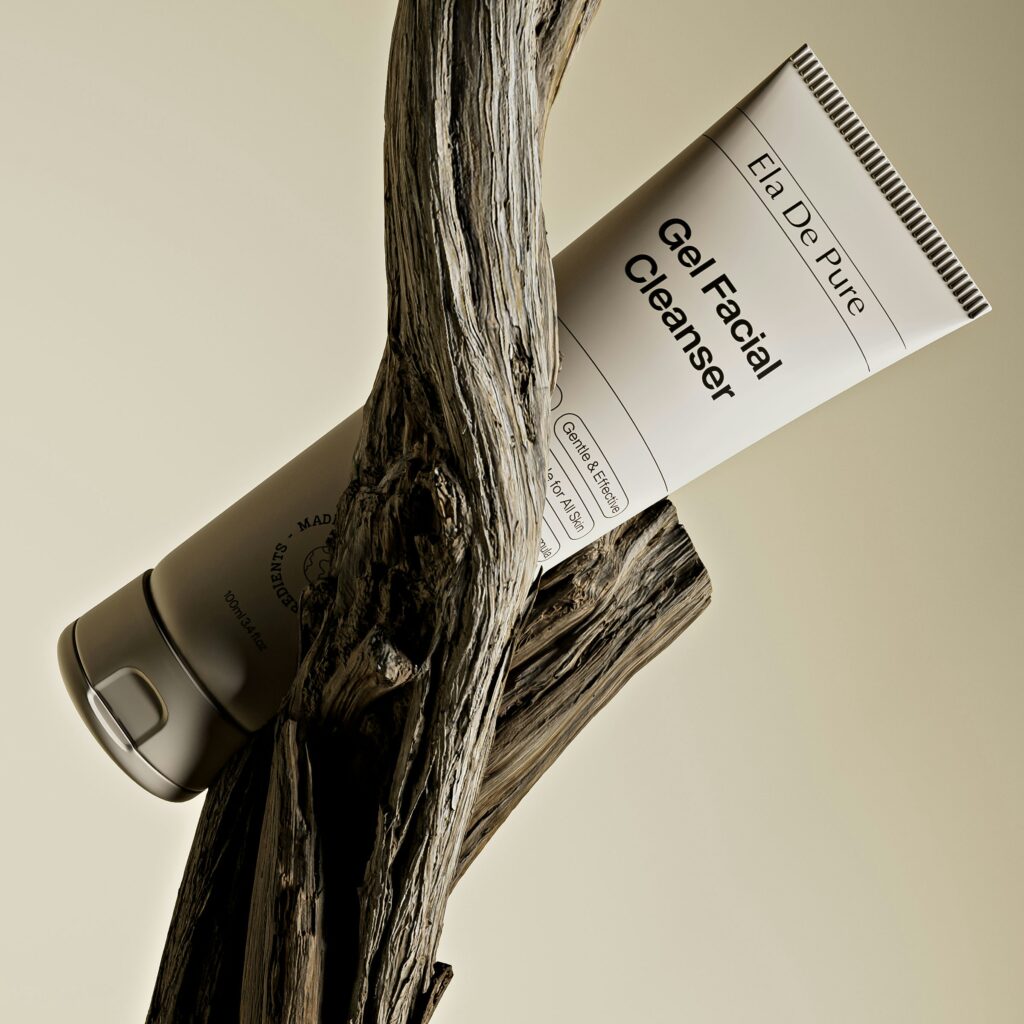
Cleansing is the foundation of any effective skincare routine. It’s your first line of defense against dirt, oil, and impurities that accumulate throughout the day.
Choosing the right cleanser for your skin type is essential. If you have oily skin, a gel or foaming cleanser can help remove excess sebum. For dry or sensitive skin, consider a cream-based formula that hydrates while cleansing.
The technique matters too. Use lukewarm water to open up pores without stripping moisture away. Gently massage the cleanser onto your face in circular motions for about 30 seconds before rinsing.
Don’t forget to cleanse twice daily—once in the morning and once at night—to keep breakouts at bay and maintain a fresh complexion. This simple step sets the stage for all other products to work effectively on your skin.
B. Exfoliating
Exfoliating is a pivotal part of any skincare routine. It’s the process that sloughs away dead skin cells, revealing fresh, radiant skin underneath. When you exfoliate regularly, your complexion looks brighter and more polished.
There are two main types: physical and chemical exfoliants. Physical exfoliants involve scrubs or brushes that manually remove dead skin. In contrast, chemical exfoliants use acids or enzymes to dissolve impurities gently.
Finding the right frequency matters too. For most skin types, 2-3 times a week is ideal. However, if you have sensitive skin, start slow to avoid irritation.
Make sure to follow up with moisturizer after exfoliating; this helps lock in hydration and soothes the newly revealed layer of skin. Whether you’re buffing away rough patches or enhancing glow, incorporate this step wisely for optimal results in your regimen!
C. Toning
Toning is a crucial step often overlooked in many skincare routines. It helps to balance your skin’s pH after cleansing, ensuring it’s neither too oily nor too dry.
A good toner can remove any leftover impurities and trace makeup that might have lingered post-cleansing. This sets the stage for maximum absorption of subsequent products.
Choose a toner that suits your skin type. For oily or acne-prone skin, look for ingredients like witch hazel or salicylic acid. If you have dry or sensitive skin, opt for soothing botanicals such as chamomile or rose water.
Application is simple—just soak a cotton pad with toner and gently sweep it across your face and neck. Alternatively, some prefer applying directly with clean hands for an extra boost of hydration.
Incorporating toning into your routine can make all the difference in achieving radiant skin.
D. Moisturizing
Moisturizing is a crucial step that often gets overlooked. It’s not just about hydration; it’s about creating a barrier to lock in moisture and protect your skin from environmental stressors.
Selecting the right moisturizer can transform your complexion. Look for products tailored to your skin type—gel formulas for oily skin, cream-based options for dry skin, and lightweight lotions for combination types.
Apply moisturizer while your skin is still slightly damp. This helps seal in moisture more effectively. Don’t forget areas like your neck and décolletage—they deserve the same care as your face.
Consider incorporating additional ingredients like hyaluronic acid or ceramides into your routine. They boost hydration levels and enhance overall texture.
Remember, moisturizing isn’t just an evening ritual; it should be part of your morning routine too! A well-moisturized canvas prepares you perfectly for makeup application or simply glowing throughout the day.
Choosing the right products for your skin type
Choosing the right products starts with understanding your skin type. Oily, dry, combination, and sensitive skin all have different needs. For oily skin, look for lightweight gels or oil-free formulas. These help control shine without clogging pores.
Dry skin thrives on hydration. Cream-based products enriched with hyaluronic acid or ceramides can make a significant difference. They lock in moisture and provide nourishment throughout the day.
Combination skin often requires a balanced approach. Products that target both dry and oily areas are key here. Look for gentle cleansers and moisturizers that won’t exacerbate either side of your complexion.
Sensitive skin calls for extra attention to ingredients—avoid fragrances and harsh chemicals when possible. Opt for soothing formulations filled with natural extracts like chamomile or aloe vera.
Always patch test new products before fully incorporating them into your routine to avoid adverse reactions.
Additional tips for healthy and glowing skin
Achieving healthy and glowing skin goes beyond just following the right steps in your skincare routine. It’s about adopting a holistic approach to beauty and well-being.
First, stay hydrated. Drinking plenty of water helps flush out toxins and keeps your skin plump. Aim for at least eight glasses a day, or more if you’re active.
Nutrition plays a crucial role too. Incorporate foods rich in vitamins C and E, as these antioxidants can help protect your skin from damage while promoting healing. Leafy greens, nuts, seeds, and fruits should be regulars on your plate.
Don’t underestimate the power of sleep. Your body repairs itself while you rest, including your skin. Aim for seven to nine hours each night to wake up refreshed with that natural glow.
Sun protection is non-negotiable! Even when it’s cloudy or you’re staying indoors for long periods, UV rays can still reach you through windows. Use sunscreen daily to prevent premature aging and other skin issues.
Listen to your skin’s needs over time; they may change due to seasons or lifestyle factors like stress levels or diet changes. Be flexible with adjustments in products but remain consistent with care practices overall.
With dedication and mindfulness towards these tips alongside an effective routine tailored for you—radiant skin isn’t just a dream; it’s entirely within reach!