


Introduction to Squarespace and Webflow
In the world of luxury branding, a striking online presence is paramount. When it comes to creating that perfect website, two names often rise to the top: Squarespace and Webflow. Both platforms are known for their unique offerings, but which one truly reigns supreme? Whether you’re an established fashion label or an emerging artisan brand, your choice can make all the difference in showcasing your identity and attracting your audience. Let’s dive into this high-stakes showdown between Squarespace and Webflow, exploring what each platform brings to the table for luxury brands looking to elevate their digital footprint.
Key Features and Benefits of Squarespace
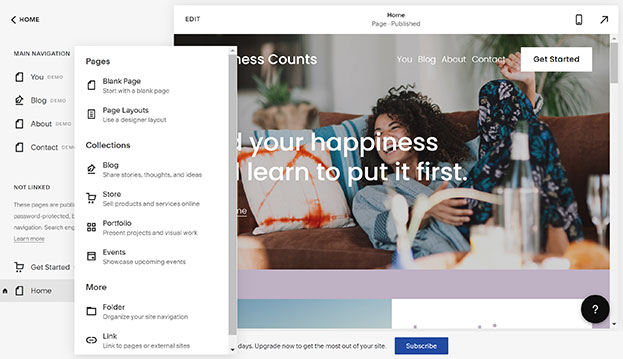
Squarespace stands out with its user-friendly interface. Even those new to web design can navigate the platform effortlessly. The clean dashboard allows for intuitive editing, making it easy to build a stunning site without any coding knowledge.
Pre-made templates are another major draw. Squarespace offers an array of beautiful designs tailored for luxury brands. These templates are not just visually appealing; they’re also optimized for functionality and aesthetics, ensuring your brand makes an impact.
Built-in SEO and marketing tools give users a competitive edge. Squarespace simplifies search engine optimization with features like customizable URL slugs and automatic sitemaps. This means your site is more discoverable, driving organic traffic while you focus on what you do best—creating exceptional products or services.
A. User-Friendly Interface
Squarespace shines with its user-friendly interface. The platform is designed for users of all skill levels, making it accessible to everyone.
Navigating through the dashboard feels intuitive. New users can quickly familiarize themselves with the tools at hand. Editing content requires no coding knowledge, allowing creativity to flow effortlessly.
The drag-and-drop functionality simplifies website building significantly. You can arrange elements without hassle, giving you more control over your design choices. This feature makes creating stunning pages straightforward and enjoyable.
Additionally, Squarespace offers helpful prompts and guidance throughout the process. These tips assist in maximizing the use of various features without overwhelming users.
This seamless experience empowers brands to focus on what truly matters: crafting a unique online presence that reflects their identity.
B. Pre-made Templates
Squarespace shines with its collection of pre-made templates. These designs cater to various industries, making it easy for luxury brands to find a suitable aesthetic. Each template is visually stunning and optimized for performance.
The selection ranges from minimalist to bold styles. This variety ensures that every brand can communicate its unique identity without starting from scratch. Customization options allow users to tweak colors, fonts, and layouts while retaining the original design’s elegance.
What truly sets Squarespace apart is how intuitive these templates are. Users can simply drag and drop elements into place, streamlining the website creation process immensely. This approach appeals not just to seasoned designers but also those new to building websites.
With responsive designs built-in, each template automatically adjusts across devices—essential in today’s mobile-centric world. Luxury brands can present their offerings beautifully on any screen size without losing quality or user experience.
C. Built-in SEO and Marketing Tools
Squarespace shines with its built-in SEO tools tailored for users who may not be tech-savvy. It allows you to easily customize meta titles and descriptions, setting the stage for better search engine visibility.
The platform offers automatic sitemap generation. This feature ensures that search engines can effortlessly crawl and index your site. With such capabilities, even beginners can optimize their content effectively.
In addition, Squarespace integrates marketing features like email campaigns directly into its system. You can keep your audience engaged without needing third-party services.
Social media integration is also seamless, allowing you to share new posts or products instantly across various platforms. These built-in tools make it easy to create a cohesive online presence while focusing on brand storytelling rather than technical hassles.
Key Features and Benefits of Webflow
Webflow stands out with its advanced customization options. Users can dive deep into the design process, tailoring every element to fit their brand’s style seamlessly. This level of flexibility is a dream for designers who want complete control over the aesthetic and functionality of their site.
Responsive design is another hallmark of Webflow. Websites built on this platform automatically adjust to various devices, ensuring an optimal viewing experience whether on a desktop or smartphone. This adaptability enhances user engagement and retention.
Integrations with third-party tools elevate Webflow’s capabilities further. Whether you need eCommerce solutions or marketing automation, connecting popular services is straightforward. This feature allows brands to create sophisticated workflows without sacrificing ease of use.
For those who value both creativity and functionality in web design, Webflow offers an impressive toolkit tailored for luxury brands looking to make a statement online.
A. Advanced Customization Options
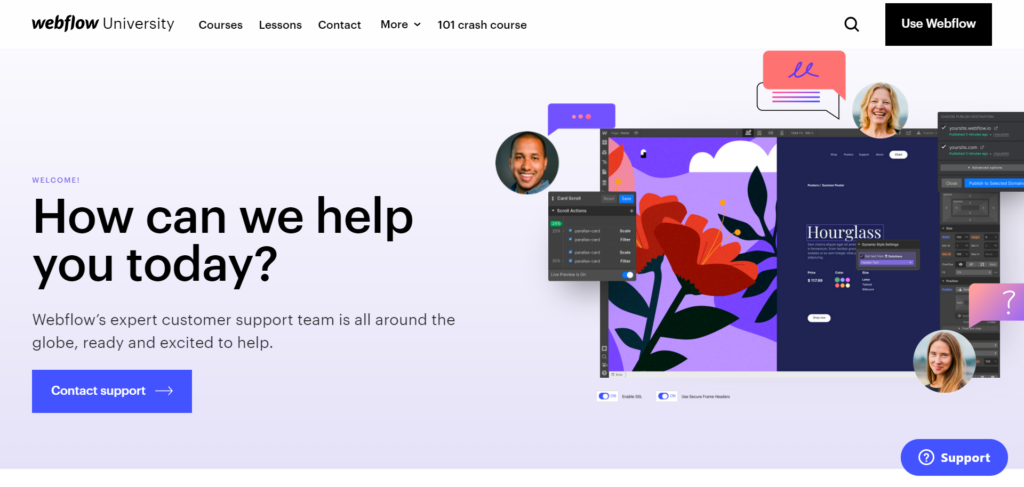
Webflow stands out with its advanced customization options, making it a favorite for designers who crave freedom. The platform allows users to dive deep into CSS and HTML, enabling precise control over every element on the page.
With Webflow’s visual editor, adjustments are seamless. You can create unique layouts without writing extensive code. This flexibility is perfect for brands that want their websites to reflect their identity accurately.
Moreover, interactions and animations elevate user experience. Designers can craft stunning effects that engage visitors right from the first click.
The ability to customize breakpoints also ensures your site looks flawless on all devices. Tailoring experiences based on screen sizes enhances usability and aesthetics alike.
These features give luxury brands an edge in standing out online while maintaining a polished look across various platforms.
B. Responsive Design for All Devices
Webflow stands out with its commitment to responsive design, ensuring your website looks stunning on any device. Whether it’s a smartphone, tablet, or desktop, Webflow offers an intuitive way to create adaptive layouts that automatically adjust.
You can customize breakpoints for different screen sizes. This means you have complete control over how elements stack and appear across devices. No more guessing what works; you see real-time changes as you edit.
The platform’s flexbox and grid layout options enable precise arrangements of content. This flexibility allows designers to prioritize user experience without sacrificing aesthetics.
With Webflow’s responsive capabilities, luxury brands can maintain their visual identity while engaging users wherever they are browsing—truly essential in today’s mobile-first world.
C. Integrations with Third-Party Tools
Webflow shines when it comes to integrations with third-party tools. This flexibility is crucial for brands that rely on various platforms to streamline their operations.
From eCommerce solutions like Shopify to email marketing giants such as Mailchimp, Webflow seamlessly connects with many services. These integrations help businesses manage their marketing efforts efficiently and enhance customer engagement.
The platform also supports API connections, allowing developers to create customized workflows tailored specifically for unique brand needs. This level of adaptability gives luxury brands the ability to maintain a polished online presence while leveraging the best external resources available.
Additionally, analytics tools can be easily integrated into your Webflow site. Tracking visitor behavior becomes simple, enabling data-driven decisions that refine user experience and drive conversions.
Price Comparison: Which Platform is More Cost-Effective?
When it comes to pricing, both Squarespace and Webflow offer distinct packages tailored to different user needs. Squarespace has a straightforward pricing model with plans that cater well to individuals and small businesses. Their monthly fees cover hosting, templates, and customer support.
On the other hand, Webflow’s pricing structure can feel a bit more complex. It includes options for static sites as well as e-commerce functionalities. While you may pay slightly more upfront with Webflow for advanced features, the level of customization could justify the investment for brands looking for unique designs.
Consider what’s included in each plan carefully. Squarespace might be easier on your wallet if you’re just starting out without extensive design ambitions. However, if your brand demands intricate layouts or specific integrations down the line, Webflow could provide better long-term value despite higher initial costs.
Case
When it comes to choosing between Squarespace and Webflow, the decision often boils down to what your brand truly needs. Both platforms cater to different audiences with unique requirements.
Squarespace shines for those who prioritize ease of use and a visually appealing interface. It’s perfect for businesses that want a stunning online presence without getting bogged down in technical details. With its user-friendly design, pre-made templates, and built-in SEO tools, it’s an excellent choice for luxury brands seeking a straightforward solution to showcase their products beautifully.
On the other hand, Webflow appeals more to users looking for advanced customization options. This platform is ideal if you have specific branding elements or features you want to implement. Its responsive design capabilities ensure that your site looks great on any device—vital in today’s mobile-first world. Furthermore, integration possibilities with third-party tools allow for enhanced functionality tailored specifically to business needs.
Price can be another deciding factor when comparing these platforms. While Squarespace offers clear pricing tiers suited for various budgets, Webflow’s pricing model may seem more complex but provides flexibility depending on your project requirements.
The case really depends on how much control you need over your website versus how quickly you’d like it set up and running. If seamless aesthetics paired with simplicity are high on your list of priorities, Squarespace could be the way forward. But if you’re eager to push creative boundaries while ensuring technical performance aligns perfectly with user experience expectations, then Webflow stands strong as a contender worth considering.
Both platforms offer valuable features catering well to luxury brands—it just requires understanding which aspects align best with your vision and goals.