


Introduction to Squarespace
Are you ready to take your online presence to the next level? Squarespace might just be the answer you’ve been searching for. This user-friendly platform empowers beginners and seasoned web designers alike to create stunning websites without needing a degree in coding or graphic design. Whether you’re building a blog, an e-commerce site, or a portfolio, Squarespace offers all the tools you need right at your fingertips. With its sleek templates and powerful features, launching your dream website is easier than ever before.
But what really sets Squarespace apart? It’s not just about looking pretty; it’s about functionality too. From seamless integrations with third-party services to built-in SEO capabilities, this platform is designed for success. If you’re eager to unlock the full potential of Squarespace but don’t know where to begin, fear not! We’ve crafted a comprehensive guide tailored specifically for beginners like you. So grab that cup of coffee and let’s dive into the world of Squarespace – your journey toward creating an exceptional website starts now!

Benefits of Using Squarespace
Squarespace offers a seamless platform for building a stunning website without the need for advanced technical skills. Its user-friendly drag-and-drop interface simplifies design processes, making it accessible to beginners and seasoned users alike.
One standout benefit is the gorgeous templates that cater to various industries. These professionally designed layouts help you make an immediate impact on visitors.
Additionally, Squarespace provides excellent built-in SEO tools. This ensures your site can be easily found by search engines, enhancing visibility right from the start.
Security features are also robust with Squarespace. Automatic updates and SSL certificates offer peace of mind while keeping your site safe from threats.
Reliable customer support stands out as another advantage. Whether through live chat or email, assistance is readily available whenever you encounter challenges during setup or maintenance.
Setting Up Your Squarespace Website
Setting up your Squarespace website is surprisingly straightforward. Start by creating an account on the platform. Enter a few essential details, and you’re off to the races.
Once logged in, you’ll be greeted with an intuitive dashboard. This area gives you access to all the features you’ll need as you build your site.
Next, consider selecting a domain name that reflects your brand or purpose. Squarespace makes this easy with their built-in domain registration service.
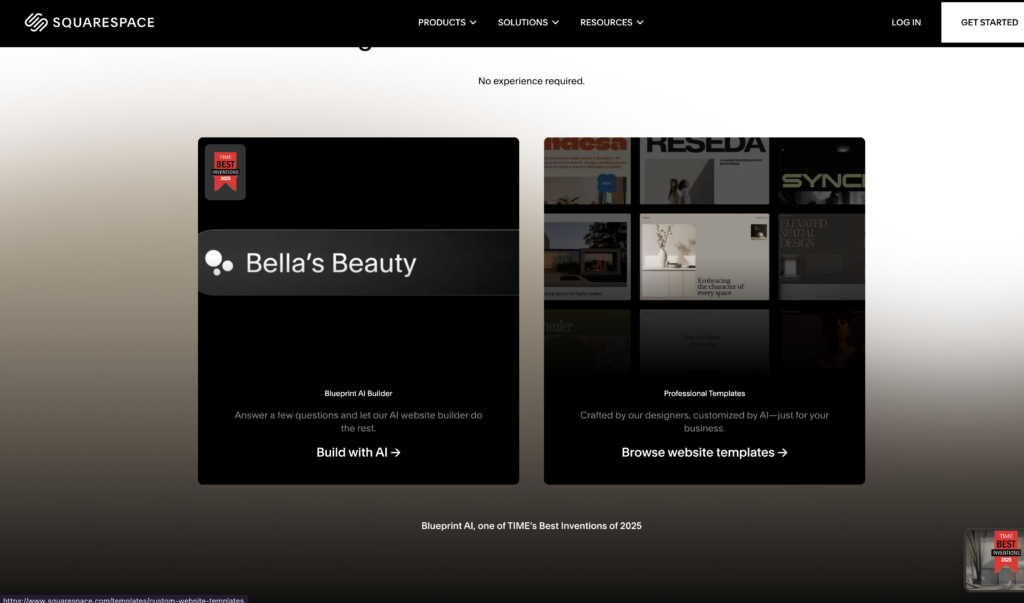
After securing a domain, it’s time to choose from various templates tailored for different industries. Each template offers unique layouts and styles to help convey your message effectively.
Don’t rush through customization options; they can dramatically impact user experience. Adjust colors, fonts, and spacing until everything feels just right for your audience’s needs.
Remember, building a website is about creativity paired with functionality—take your time!

Choosing a Template and Customizing It
Choosing the right template is a crucial step in building your Squarespace site. With an extensive library of beautifully designed options, you can find one that resonates with your brand’s identity.
Consider the purpose of your website. Are you showcasing a portfolio? Selling products? Each template has unique features tailored for different needs, so take some time to explore what fits best.
Once you’ve selected a template, customization becomes key. Use Squarespace’s intuitive drag-and-drop interface to rearrange elements effortlessly. Adjust colors and fonts to align with your branding for consistency across all pages.
Don’t forget about images; high-quality visuals can transform any design. You can also add custom CSS if you’re feeling adventurous and want more control over aesthetics.
Remember, the goal is not just to look good but also to ensure functionality aligns perfectly with user experience.
Adding Content and Pages to Your Site
Adding content and pages to your Squarespace site is a straightforward process. Start by navigating to the Pages menu in the sidebar. Here, you can easily create new pages or organize existing ones.
To add a page, click on the “+” icon. Choose from various types of pages such as standard, gallery, blog, or product pages based on your needs.
Once you’ve created a page, it’s time to fill it with engaging content. Use text blocks for written information and image blocks for visuals that enhance your message.
Don’t forget about SEO! Each page has options for adding meta descriptions and titles that help search engines understand what your site is about.
Utilize layout options to keep things visually appealing; combine different sections like images and text seamlessly. This keeps visitors engaged longer as they navigate through your content-rich site.
Utilizing Built-in Features and Tools
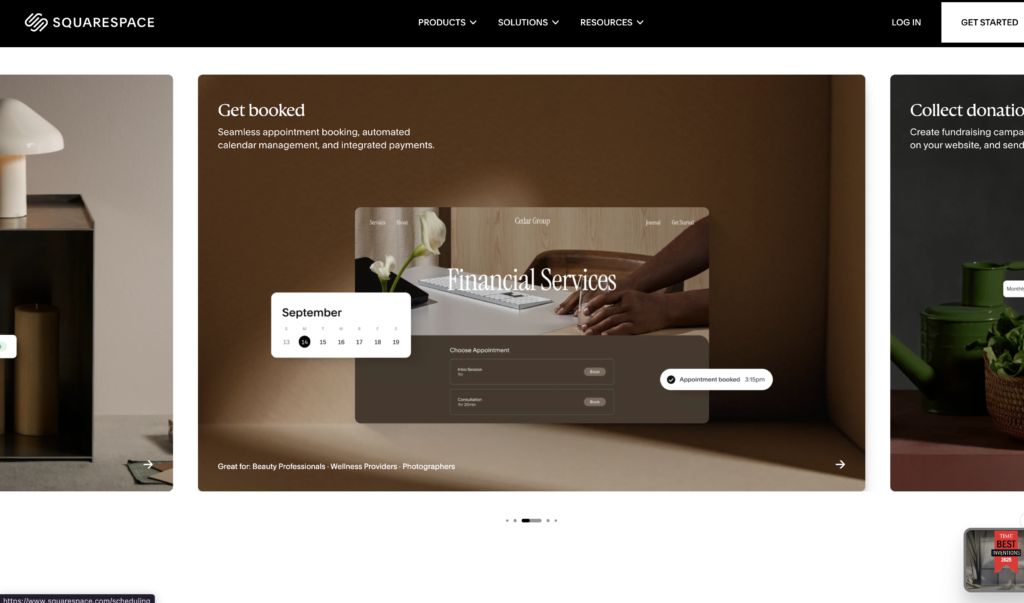
Squarespace comes packed with features that simplify the website-building process. One of the standout tools is the drag-and-drop editor, allowing you to effortlessly arrange elements on your pages. This intuitive design helps even beginners craft beautiful layouts without any coding skills.
Another useful feature is integrated analytics. By accessing data on visitor behavior, you can make informed decisions to enhance user experience and optimize content.
E-commerce functionalities are also top-notch. Setting up an online store is seamless, whether you’re selling products or services. The built-in payment processing options give peace of mind for transactions.
Don’t overlook SEO tools either. Squarespace provides solid optimization features right out of the box, helping your site rank better in search engines without needing extensive technical know-how.
With these built-in resources at your fingertips, creating a professional-looking website becomes much more manageable and efficient.
Integrating Third-Party Services
Integrating third-party services can significantly enhance your Squarespace website. Whether you’re looking to improve functionality or boost user experience, there are countless options available.
Start with popular tools like Mailchimp for email marketing. This integration allows you to collect leads effortlessly and engage with your audience effectively. It’s a seamless way to grow your mailing list directly from your site.
Next, consider adding social media buttons through integrations like Instagram or Twitter feeds. By showcasing real-time updates, you keep visitors connected and encourage engagement on multiple platforms.
If e-commerce is part of your strategy, think about integrating payment gateways such as PayPal or Stripe. These secure options streamline transactions and build trust with customers.
Don’t forget analytics tools like Google Analytics. Tracking visitor behavior helps you refine content and strategies over time, leading to better performance overall.

Tips for Maximizing Your Squarespace Site
To truly harness the potential of your Squarespace site, focus on optimizing for mobile. A responsive design ensures visitors can easily navigate your content from any device.
Utilize SEO best practices within Squarespace. Fill in metadata, use descriptive alt text for images, and incorporate keywords naturally throughout your content to boost visibility in search engines.
Leverage built-in analytics tools to track visitor behavior. Understanding how users interact with your site can help you make informed decisions about adjustments or enhancements needed.
Engage with your audience through email campaigns using Squarespace’s integrated features. This builds community and keeps followers updated on new content or offerings.
Don’t hesitate to explore the Squarespace Circle program for exclusive resources and support if you’re a designer or developer working with clients. It opens doors to additional insights and collaboration opportunities that can elevate your projects further.
Troubleshooting Common Issues
Building your website on Squarespace can sometimes lead to a few bumps in the road. One common issue is slow loading times. This could stem from large image files or too many plugins running simultaneously. Optimize images before uploading them, and consider disabling unnecessary features.
Another frequent problem users encounter is trouble with mobile responsiveness. Ensure that your template is designed for mobile use and test it regularly across different devices to catch any layout issues early.
If you find editing text or adding new content challenging, don’t hesitate to explore the tutorials available within Squarespace’s help section. They’re incredibly helpful for navigating design tweaks.
If you face integration problems with third-party services like email marketing tools, double-check API keys or connections as they might need refreshing after updates. Keeping everything synced will save you time and frustration down the line.
Final Thoughts
As you dive deeper into managing your Squarespace website, remember that the journey is ongoing. Each new feature or template update can enhance your site’s appeal.
Experiment with various layouts and designs to see what resonates most with your audience. Don’t hesitate to gather feedback from friends or colleagues; fresh eyes can provide valuable insights.
Continue exploring integrations that could elevate user experience. Whether it’s social media feeds, e-commerce tools, or analytics services—these additions can make a significant difference.
Stay updated on best practices in web design and digital marketing trends. This knowledge will help you keep your content fresh and engaging.
Consider joining online communities focused on Squarespace for tips, inspiration, and support. Connecting with fellow users fosters creativity and problem-solving skills as you navigate this platform together.ith robust support resources for all types of creators looking to make their mark online. audience.