

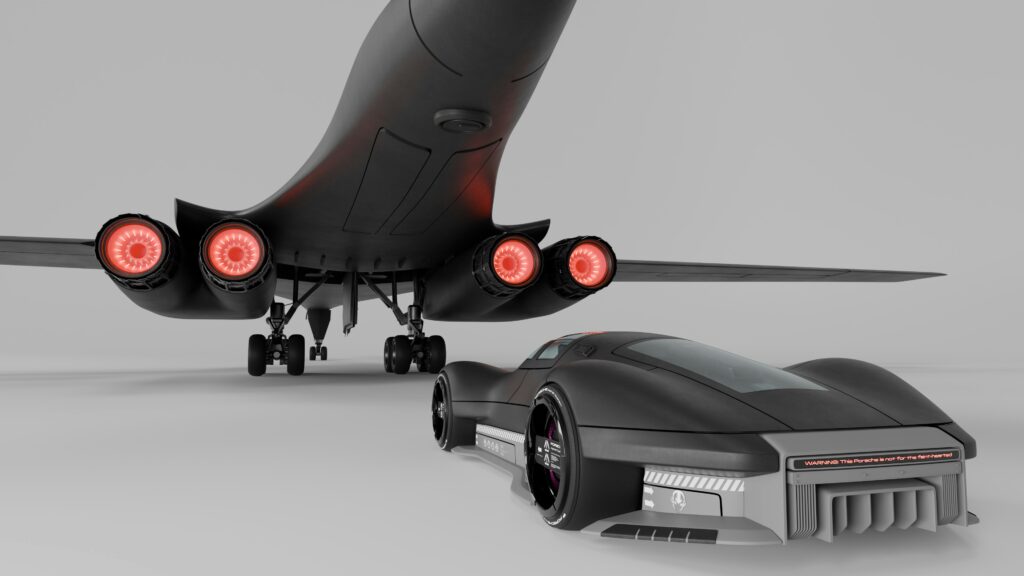
Introduction to the changing landscape of air travel
Air travel is on the brink of a transformation. As technology advances and passenger expectations evolve, the sky no longer seems to be the limit. From high-speed jets that zip across continents to personalized in-flight services designed for comfort, innovations are reshaping our journeys. Travelers today can look forward to more than just reaching their destination; they’re entering an era where every flight experience is enhanced by cutting-edge advancements. The future of air travel promises to be thrilling, efficient, and sustainable—let’s explore what lies ahead!
Advancements in aircraft technology
Aircraft technology is evolving at a rapid pace. Modern planes are now more efficient than ever, thanks to advancements in materials and design.
The introduction of lightweight composite materials reduces fuel consumption significantly. This shift not only lowers costs for airlines but also minimizes environmental impact.
Innovative engines are making their mark too. New turbofan engines achieve greater thrust while consuming less fuel. These improvements enhance overall performance and reduce noise levels during flights.
Additionally, the integration of advanced avionics systems has transformed navigation and safety protocols. Pilots now benefit from real-time data analysis, which enhances decision-making during critical situations.
Automation continues to play a crucial role as well. Systems that assist in maintenance checks predict issues before they arise, ensuring safer journeys for passengers around the world.
As we look ahead, these technological advancements promise an exciting future filled with possibilities for air travel efficiency and safety.
Improving the passenger experience with new amenities and services
Airlines are increasingly focused on enhancing the passenger experience. New amenities and services have become essential in today’s competitive market.
Many airlines now offer spacious seating configurations, allowing for more legroom and comfort. Features like adjustable headrests and personal power outlets make long flights feel less daunting.
Onboard entertainment has also evolved dramatically. Streaming services that allow passengers to connect their devices directly to the aircraft’s system provide a personalized touch. Travelers can enjoy movies, shows, or music of their choice.
Food options have taken a turn towards gourmet dining experiences as well. Many carriers collaborate with renowned chefs to create menus that showcase local cuisine or cater to dietary restrictions.
Additionally, customer service is becoming more intuitive with mobile apps offering real-time updates about flight status, gate changes, and baggage tracking—all aimed at reducing stress for travelers before they even board the plane.
Sustainable and eco-friendly initiatives in the airline industry
The airline industry is undergoing a green revolution. Carriers are now prioritizing sustainable practices to combat climate change.
Many airlines are investing in biofuels made from renewable resources. This shift significantly reduces carbon emissions compared to traditional jet fuel.
Additionally, fleets are being modernized with fuel-efficient aircraft. These newer models use advanced aerodynamics and lighter materials, further minimizing environmental impact.
Airlines are also focusing on waste reduction initiatives. Many have eliminated single-use plastics and introduced recycling programs onboard.
Innovative technologies like electric taxis on the runway are gaining traction as well. These systems can lower fuel consumption during takeoff and landing phases.
Moreover, partnerships with environmental organizations aim to enhance conservation efforts globally. Such collaborations promote biodiversity and ecological restoration alongside air travel advancements.
The rise of virtual reality and augmented reality in-flight entertainment
Virtual reality (VR) and augmented reality (AR) are transforming the way we experience flights. No longer just about flipping through magazines, passengers can now immerse themselves in a digital world during their journey.
Imagine strapping on a VR headset and finding yourself on an exotic beach or soaring over mountains. This technology offers stunning visuals that make long hours feel shorter.
On the other hand, AR enhances the physical environment. With smart glasses, travelers can receive real-time information about landmarks visible from their window seats. It creates an interactive layer of engagement with our surroundings.
Airlines are investing heavily in these innovations to attract tech-savvy customers. As competition heats up, enhancing passenger entertainment will become crucial for distinguishing brands.
The future of in-flight entertainment is not just passive viewing anymore; it’s all about creating memorable experiences mid-air with cutting-edge technology at your fingertips.
The impact of artificial intelligence on flight operations and safety measures
Artificial intelligence is transforming flight operations in remarkable ways. From optimizing flight paths to enhancing fuel efficiency, AI systems analyze vast amounts of data in real-time. This helps airlines make smarter decisions that benefit both the bottom line and the environment.
Safety measures are also seeing a significant boost from AI technology. Predictive analytics can identify potential issues before they escalate into problems. By monitoring aircraft performance continuously, AI enhances maintenance schedules and reduces unplanned downtime.
Moreover, pilot assistance tools powered by AI offer support during critical phases of flight. These systems provide alerts for anomalies or deviations from standard operating procedures, ensuring higher safety levels.
As artificial intelligence becomes more integrated into aviation, its role will expand further. The collaboration between human expertise and machine learning promises to create an even safer flying experience for passengers worldwide—redefining what we once thought was possible in air travel.
Predictions for the future of air travel and potential challenges to overcome
As we look ahead, the future of air travel is poised for remarkable changes. With advancements in technology, flights could become faster and more efficient. Think supersonic jets making a comeback or even hypersonic travel becoming a reality.
However, these innovations come with their own set of challenges. Regulatory hurdles will need to be navigated carefully. Safety standards must evolve alongside new technologies to ensure passenger confidence.
Then there’s the issue of infrastructure. Airports may require significant upgrades to accommodate advanced aircraft and increased passenger volumes.
Balancing sustainability with growth will also be crucial. Airlines face pressure to reduce emissions while expanding services.
As artificial intelligence plays a larger role in aviation, ethical considerations around data privacy and job displacement must not be overlooked. The journey ahead promises excitement but needs careful navigation through its complexities.
Embracing the exciting possibilities of the future of
The future of air travel is brimming with potential. Innovations are reshaping how we fly, making it faster, safer, and more enjoyable. From advanced aircraft technologies to eco-friendly initiatives, the industry is on a transformative journey.
Enhancements in passenger experience promise comfort like never before. Airlines are integrating new amenities that cater to individual needs and preferences. The rise of virtual reality entertainment can turn long flights into immersive experiences.
Artificial intelligence plays a crucial role in streamlining operations and enhancing safety measures. With smarter systems and predictive analytics, airlines are not only improving efficiency but also ensuring passengers’ well-being during their journeys.
Looking ahead presents both opportunities and challenges as the demand for sustainable practices grows while navigating ever-increasing passenger numbers. However, embracing these advancements will pave the way for an exciting era in aviation—a time when flying becomes even more accessible and enjoyable for everyone worldwide.
As we soar toward this horizon of possibilities, one thing remains clear: the future holds amazing innovations that will redefine our skies forever.