

Website Building
Building a website can feel like an overwhelming task, but it doesn’t have to be. Whether you’re launching a personal blog, creating an online portfolio, or starting an e-commerce store, the right tools can make all the difference. With so many options available today, from user-friendly website builders to advanced coding platforms, understanding what’s out there is crucial for your success. Let’s dive into essential elements and resources that will guide you through the exciting journey of website building!
Essential Elements of a Website
A well-rounded website consists of several essential elements that contribute to its effectiveness. First and foremost, a clear and intuitive navigation system ensures users can find what they need quickly. This enhances user experience, keeping visitors engaged.
Next, quality content is critical. Engaging text, images, and videos not only inform but also captivate your audience. Great content encourages sharing and boosts search engine rankings.
Visual design plays a significant role too. A clean layout with appealing colors can leave a lasting impression. Good typography improves readability, ensuring messages come across clearly.
Mobile responsiveness cannot be overlooked in today’s digital landscape. A site that adapts seamlessly to various devices provides accessibility for all users. Each of these elements intertwines to create an effective online presence that resonates with visitors.
Content Management Systems (CMS)
Content Management Systems (CMS) are essential for streamlined website management. They allow users to create, edit, and publish content without needing extensive coding knowledge.
Popular options like WordPress, Joomla, and Drupal offer a variety of features tailored to different needs. These platforms make it easy to organize media files and blog posts efficiently.
A significant advantage of using a CMS is the availability of plugins and themes. This flexibility enables you to enhance your site’s functionality while maintaining an appealing design.
Security updates are another crucial component. Most reputable CMS providers regularly release patches that protect your site from vulnerabilities.
Whether you’re launching a personal blog or an e-commerce platform, choosing the right CMS can significantly impact your website building journey. It sets the foundation for future growth and scalability in today’s digital landscape.
Drag and Drop Website Builders
Drag and drop website builders have revolutionized the way individuals and businesses create online presences. They simplify the design process, making it accessible to everyone, regardless of technical skill.
With intuitive interfaces, users can easily place elements like text boxes, images, and buttons exactly where they want them. This visual approach eliminates the need for coding knowledge.
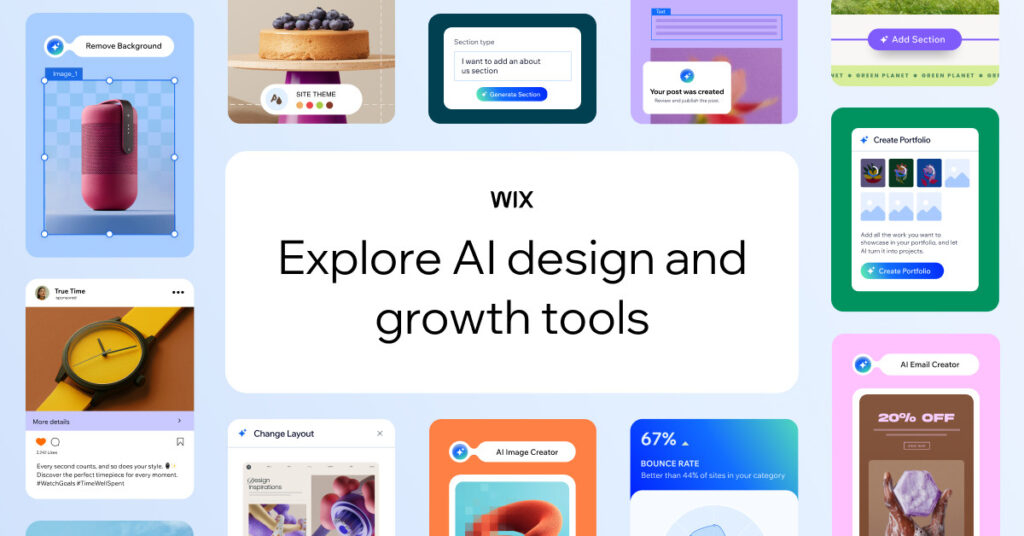
Platforms like Wix stand out in this category. Their extensive templates cater to various industries, allowing users to start with a professional look right away. Customization options are plentiful; you can tweak fonts or colors without breaking a sweat.
The ease of use doesn’t compromise functionality either. Many drag-and-drop builders come equipped with essential features such as SEO tools and e-commerce capabilities. You get an all-in-one solution tailored for your needs without overwhelming complexity.
This flexibility empowers entrepreneurs to focus on what matters most: their content and audience engagement.
Coding Platforms
Coding platforms offer a powerful way to build websites from scratch. They cater to those who want complete control over their projects.
Platforms like GitHub and CodePen are excellent for collaboration and testing ideas in real-time. Developers can share, edit, and refine code together seamlessly.
For those eager to learn or improve their coding skills, Codecademy and freeCodeCamp provide interactive lessons. These resources help beginners grasp essential programming languages such as HTML, CSS, and JavaScript.
If you prefer a more extensive framework for building web applications, consider using tools like React or Angular. They streamline the development process with reusable components.
With these coding platforms at your disposal, creativity knows no bounds. The right choice will depend on your skill level and project requirements but exploring them opens up endless possibilities in website building.
Choosing the Right Tools for Your Website Needs
When it comes to website building, choosing the right tools can make all the difference. Consider your specific needs first. Are you creating a personal blog or a business site? Each category may require different functionalities.
Next, think about your technical skills. If coding isn’t your strong suit, platforms like Wix offer intuitive drag-and-drop features that simplify the process significantly. For those with more experience, custom coding could provide greater flexibility and personalization.
Budget is another crucial factor. Some tools are free but come with limitations, while premium options unlock advanced features at a cost. Weigh these aspects carefully against your goals.
Don’t forget scalability. As your website grows, you’ll want tools that can evolve with you whether through adding new pages or integrating e-commerce capabilities seamlessly into existing structures.
Tips for Successful Website Building
Start with a clear vision. Define your website’s purpose and target audience. This clarity will guide you throughout the building process.
Focus on user experience. Ensure easy navigation, fast loading times, and mobile responsiveness. A smooth experience keeps visitors engaged longer.
Prioritize quality content. Engaging text, images, and videos enhance visitor interest. Keep your content fresh to encourage return visits.
Utilize SEO best practices from the beginning. Research relevant keywords like “website building” to optimize your site for search engines.

Regularly test functionality across various devices and browsers. Identify any issues that could hinder performance or accessibility for users.
Don’t forget about analytics tools after launch! They provide vital insights into visitor behavior and help refine strategies over time.
Stay updated with web design trends to keep your site appealing and functional as technology evolves.
Conclusion
Building a website can feel like a daunting task, but the right tools make it manageable. Whether you opt for a content management system (CMS) like WordPress or prefer an intuitive drag-and-drop builder such as Wix, understanding your options is crucial.
Each tool has its unique strengths and weaknesses. CMS platforms offer flexibility and scalability, making them ideal for larger sites. On the other hand, drag-and-drop builders are perfect for quick setups without requiring extensive coding knowledge.
Remember that choosing the right tools depends on your specific needs whether it’s e-commerce capabilities or simple portfolio showcases. Take the time to explore various platforms before committing to one.
As you embark on your website building journey, keep these tips in mind: prioritize user experience, ensure mobile optimization, and regularly update content to engage visitors effectively. By leveraging essential tools and best practices in website building, you’ll be well-equipped to create an impressive online presence that resonates with users.
The digital landscape is ever-evolving; staying informed about new technologies will help maintain your website’s relevance over time. Embrace creativity while being strategic about how you build and manage your site it’s all part of crafting something truly special online.