
Air travel can be a thrilling experience, filled with the excitement of new adventures. However, navigating the narrow aisles and cramped seating arrangements can quickly turn into a game of social finesse. Welcome to the world of airline etiquette—a realm where unwritten rules dictate how we interact with fellow passengers in close quarters.
From sharing armrests to mastering boarding procedures, every aspect demands a bit of consideration and awareness. Whether you’re an occasional flyer or a frequent jet-setter, understanding these unspoken guidelines will elevate your flying experience and make it more pleasant for everyone aboard. Buckle up as we decode these essential norms that ensure smooth sailing at 30,000 feet!
The Importance of Following Unwritten Rules
Airline etiquette is more than just a set of guidelines; it’s about creating a pleasant experience for everyone involved. Unwritten rules often go unnoticed, yet they significantly influence the atmosphere onboard.
Following these norms shows respect for fellow passengers and flight crew. It fosters an environment where everyone can enjoy their journey without unnecessary stress or discomfort.
When people adhere to unspoken standards, it minimizes conflicts. For example, knowing when to lower your voice during conversations can make all the difference in maintaining a serene cabin ambiance.
Moreover, understanding these subtle cues helps travelers navigate social interactions better. Whether it’s sharing armrests or managing personal space, mutual consideration goes a long way in ensuring harmony at 30,000 feet.
Being aware of unwritten rules ultimately enhances not only individual travel experiences but also collective ones within the confined space of an airplane.
Armrests: Who Gets to Use Them?
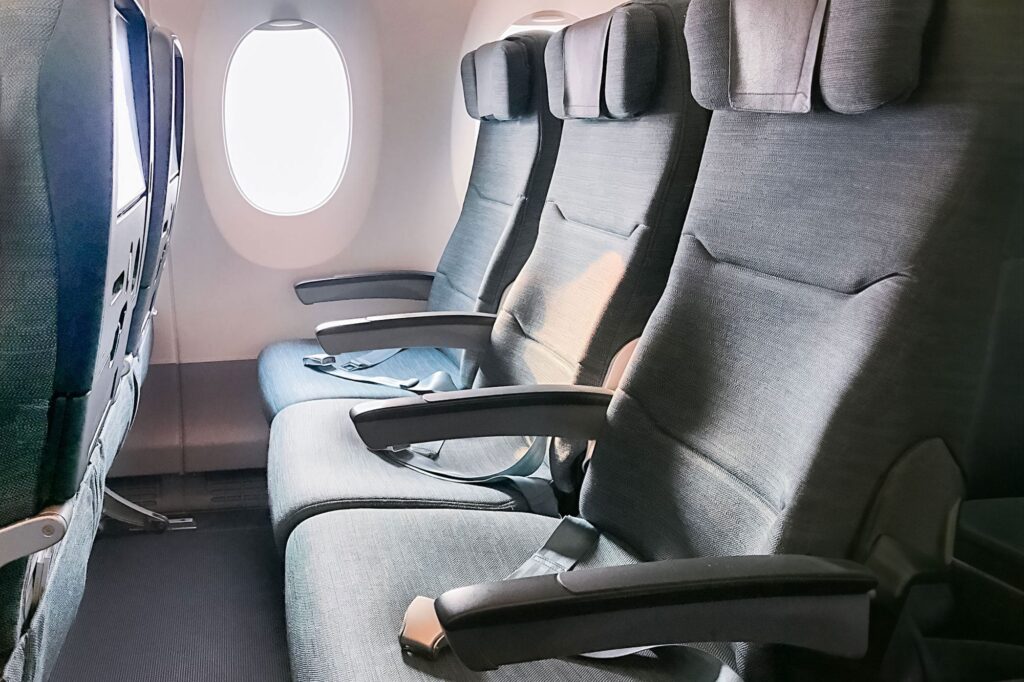
When it comes to armrests, the unwritten rules can be tricky. Picture this: you’re in your seat, ready for takeoff, and suddenly you find yourself in an unspoken battle for space.
On a three-seat configuration, the middle passenger usually has dibs on both armrests. After all, they’re stuck between two people! The aisle seat gets a little more freedom with room to stretch out. And then there’s the window seat—a perfect spot but also a limiting factor when it comes to sharing.
Some may argue that all passengers should play fair and share equally. But as we know, air travel is often about compromise. If everyone respects personal boundaries and communicates subtly, things run smoother. A simple nod or smile can go a long way toward determining who claims those precious inches of comfort during flight time.
Boarding: What is the Proper Order?
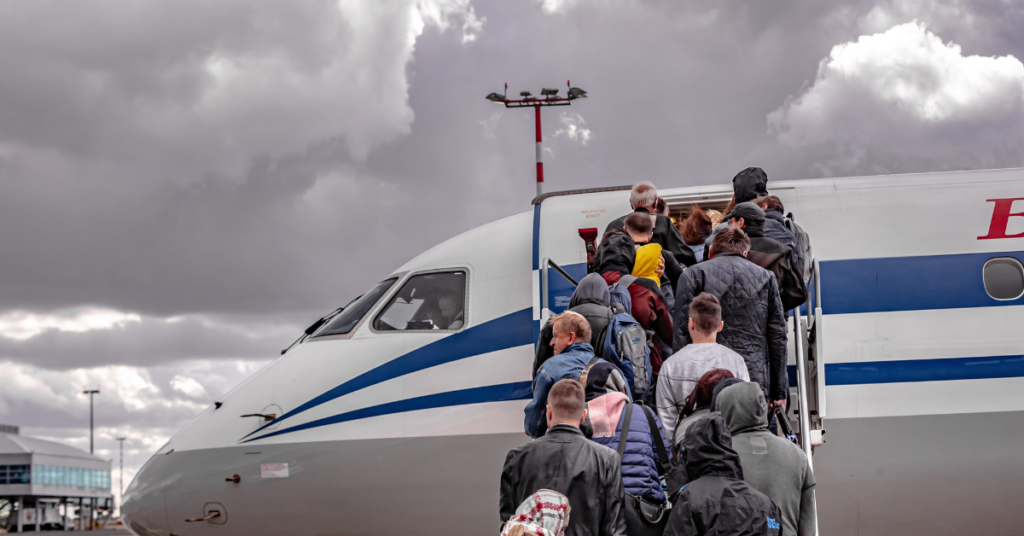
Boarding an airplane can often feel like a chaotic free-for-all. Understanding the proper order can make this process smoother for everyone involved.
Typically, airlines board passengers in groups based on ticket class or assigned zones. First-class travelers usually get priority boarding, followed by business class and then economy. However, many people seem to misunderstand this system.
It’s best to wait until your group is called before standing up with your bag. This helps reduce congestion in the aisles and allows those seated at the back of the plane to board efficiently.
If you’re traveling with young children or require assistance, don’t hesitate to take advantage of early boarding options designed for families and those needing extra help.
Respecting these guidelines not only enhances your travel experience but also shows consideration for fellow passengers trying to find their seats without hassle.
Reclining Seats: To Do or Not to Do?
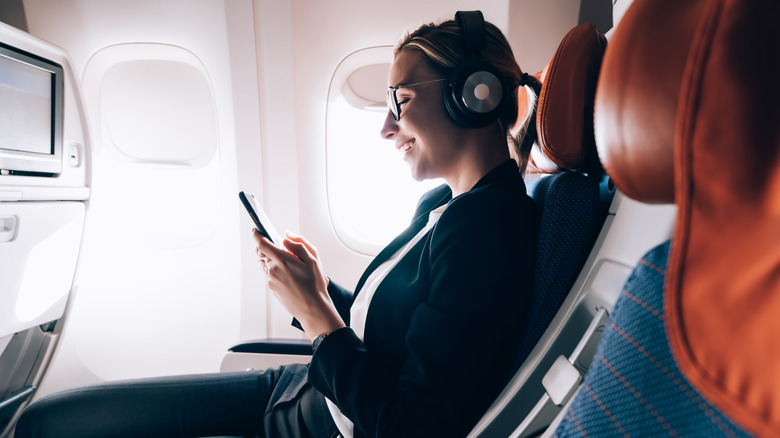
Reclining your seat on an airplane can spark some heated debates among passengers. For many, it’s a welcome way to find comfort during long flights. But for others, it can feel like an invasion of personal space.
Before tilting back, consider the context. Are you on a crowded flight? If so, check if the passenger behind you seems cramped. A gentle glance back may help gauge their reaction before making your move.
Timing also matters. Recline when meals are served to avoid encroaching into someone’s tray table space or waiting until after service is complete for maximum comfort without disruption.
Communication goes a long way in this scenario. A simple nod or smile as you recline can ease any tension and remind everyone that we’re all in this together at 30,000 feet!
Bathroom Etiquette in Flight
Using the airplane restroom can feel like navigating a minefield of unspoken rules. First, always check for occupancy before you approach. A courteous knock can save everyone some awkward moments.
When it’s your turn, be quick but thorough. Space is limited, and others are waiting. Keep personal items to a minimum; this isn’t your home bathroom.
If you’re traveling with someone, avoid holding up the line by not engaging in lengthy conversations outside the door.
Don’t forget to wash your hands—airplane restrooms might be small, but hygiene is crucial in enclosed spaces.
After using the facilities, ensure everything is tidy for the next passenger. A little consideration goes a long way in making everyone’s journey more pleasant.
Tips for Being a Considerate Passenger
Being a considerate passenger can make air travel pleasant for everyone. Start by arriving at the airport early to avoid rushing through check-in and security.
Once you’re on the plane, store your carry-ons efficiently. Place larger bags in the overhead bin and smaller items under the seat in front of you. This helps maximize space for everyone.
When it’s time for snacks or meals, try to keep your area tidy. Dispose of trash promptly so others don’t have to deal with clutter.
If you need to get up during the flight, politely ask fellow travelers if they could move their legs or belongings. A simple “excuse me” goes a long way.
Be mindful of noise levels by keeping conversations quiet and using headphones when listening to music or watching shows. Small gestures create a more enjoyable atmosphere in shared spaces like an airplane cabin.

Conclusion
Airline etiquette can often feel like a labyrinth of unspoken rules, yet understanding these nuances enhances the travel experience for everyone. From knowing who gets to use the armrests to respecting boarding procedures, being aware of proper behavior in-flight is essential.
Reclining your seat may seem harmless, but it’s crucial to consider how this impacts others around you. Similarly, bathroom etiquette is an important part of maintaining comfort and respect on longer flights.
Being considerate goes a long way when sharing confined spaces with strangers. Simple gestures like asking before reclining or allowing those with children or disabilities extra time during boarding can make all the difference.
Practicing good airline etiquette not only reflects well on you as a traveler but also contributes to making air travel more pleasant for everyone involved. By observing these guidelines and fostering mutual respect among passengers, we can transform our flying experiences into something far more enjoyable.