

Flying can be one of the most exhilarating experiences in life. The thrill of taking off, soaring above the clouds, and reaching new destinations is hard to match. However, nestled within that excitement lies a fundamental aspect that every flyer must grasp: flight safety. Whether you’re a first-time traveler or an avid globetrotter, understanding the principles of flight safety is crucial for ensuring a smooth journey.
From pre-flight checks to emergency protocols, each element plays a pivotal role in keeping passengers safe. As technology evolves, so do the measures taken to maintain air travel’s stellar safety record. This guide aims to equip you with essential knowledge about flight safety—because being informed makes all the difference when it comes time for takeoff. Buckle up as we delve into everything you need to know before your next adventure!
The Importance of Flight Safety
Flight safety is the cornerstone of air travel. It ensures that millions of passengers reach their destinations without incident each year.
Airplanes are complex machines, and even minor issues can have serious consequences. That’s why every aspect of flight safety is meticulously designed to prevent accidents. From rigorous maintenance schedules to thorough pilot training, the aviation industry prioritizes safe travel above all else.
Passengers often overlook these behind-the-scenes measures. The truth is, countless professionals work tirelessly to create a secure flying environment. Engineers, mechanics, and pilots collaborate seamlessly to uphold high standards.
Understanding flight safety not only builds trust in air travel but also fosters a culture of awareness among flyers. When passengers recognize the importance of adhering to safety protocols—such as wearing seatbelts or listening during briefings—they contribute positively to their own well-being during flights.

Pre-Flight Safety Checks and Procedures
Before any flight, safety checks are paramount. These procedures help ensure that everything is in proper working order and ready for takeoff.
Pilots and crew conduct thorough inspections of the aircraft. They examine critical components like engines, brakes, and navigation systems. Each check serves a specific purpose, contributing to overall safety.
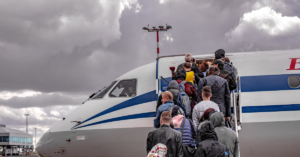
Passengers also play a role in pre-flight safety. Boarding procedures include ensuring seatbelts are fastened and understanding emergency exits. Flight attendants provide essential instructions that everyone should pay attention to.
Communication is key during this phase. Pilots coordinate with ground crew to confirm fuel levels and other operational aspects before departure.
Incorporating technology has streamlined these processes significantly. Digital checklists now assist crews in verifying all necessary steps efficiently while reducing human error.
These meticulous protocols create the foundation for safe flying experiences every time you board an aircraft.
Understanding Emergency Protocols
Understanding emergency protocols is crucial for any flyer. These procedures are designed to keep everyone safe when unexpected situations arise.
Every airline has specific guidelines that flight crews follow during emergencies. Familiarity with these can make a difference in critical moments. Passengers should pay attention to pre-flight safety briefings, as they often cover essential information about exits and life jackets.
In the event of turbulence or an onboard issue, staying calm is vital. Trust the crew; they’re trained professionals prepared for various scenarios.
For instance, if there’s a sudden loss of cabin pressure, knowing how to use your oxygen mask correctly could be life-saving. Ensure it’s snugly fitted over your nose and mouth before assisting others.
Remember that emergency landings are rare but possible. Understanding the brace position can help reduce injury risk significantly during such events. Stay informed and ready; preparedness enhances safety while flying.
How Weather Can Affect Flight Safety
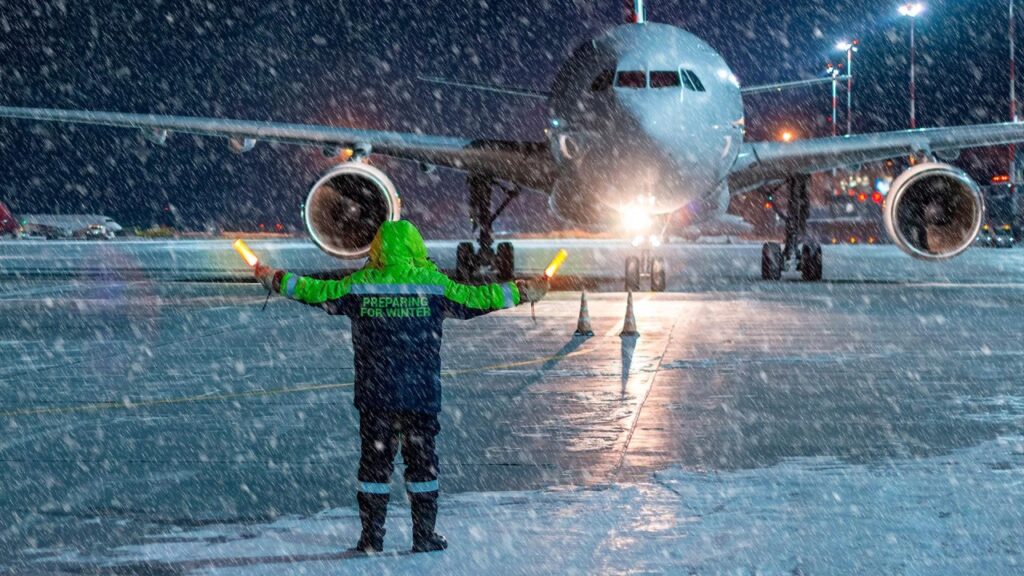
Weather plays a crucial role in flight safety. Conditions like thunderstorms, fog, and strong winds can create significant challenges for pilots and air traffic control.
Thunderstorms are particularly hazardous. They bring turbulence, lightning strikes, and sudden wind shifts that can destabilize an aircraft. Pilots must carefully navigate around these storms to ensure passenger safety.
Fog can reduce visibility dramatically. When takeoff or landing is required in such conditions, precise instrument flying becomes essential. Airports often implement strict protocols to manage flights safely during low-visibility situations.
Strong winds also pose risks during both takeoff and landing phases. Crosswinds can make controlling the aircraft difficult for even experienced pilots.
Monitoring weather updates is vital throughout every stage of a flight. Advanced technology helps pilots make informed decisions about routing and altitude adjustments based on real-time data from weather stations along their path.
Pilot Training and Certification Requirements
Pilot training and certification are vital components of flight safety. Before taking to the skies, aspiring pilots must complete a rigorous training program that includes both theoretical knowledge and practical flying skills.
Candidates typically start with ground school, where they learn about aviation regulations, meteorology, navigation, and aircraft systems. This foundational knowledge is crucial for understanding how to manage various flight scenarios safely.
Following ground school, students engage in hands-on flight training with a certified instructor. They practice maneuvers and emergency protocols under supervision. Each lesson builds on the last until proficiency is achieved.
Once the training is complete, candidates must pass written exams and check rides conducted by designated examiners. These assessments ensure that only qualified individuals earn their pilot’s license.
Ongoing education is also essential as pilots need to stay updated on regulations and advancements in technology. Regular recurrent training helps maintain high standards in aviation safety.

Common In-Flight Hazards and How to Handle Them
In-flight hazards can occur unexpectedly. Passengers should be aware of potential issues, from turbulence to medical emergencies.
Turbulence is a common concern. It can cause sudden jolts and discomfort. Keeping your seatbelt fastened when seated helps minimize injury during these moments.
Another hazard is cabin pressure changes, which may lead to ear pain or discomfort. Swallowing, yawning, or chewing gum can alleviate this issue effectively.
Medical emergencies occasionally arise on flights. If someone shows signs of distress, alert the crew immediately. They are trained to handle health-related situations swiftly and efficiently.
There’s the risk of onboard fires due to electronic devices or food preparation equipment. Familiarize yourself with safety instructions regarding exits and fire extinguishers located in the cabin.
Staying calm and informed ensures you’re better prepared for any situation that might arise at 30,000 feet above ground.
Collaborating with Air Traffic Control for Safe Flights
Effective communication with Air Traffic Control (ATC) is vital for flight safety. Pilots rely on ATC to provide real-time information about airspace conditions, traffic, and potential hazards.
When aircraft communicate their intentions clearly, it helps prevent misunderstandings. This collaboration allows for smoother takeoffs, landings, and in-flight maneuvers.
ATC also plays a crucial role during emergencies. They can guide pilots to safe landing locations or offer critical data on weather changes ahead. Quick decisions made from these interactions can significantly impact the safety of everyone onboard.
Additionally, ATC uses advanced radar systems to track flights closely. This technology not only enhances situational awareness but also assists in managing busy airspace efficiently.
Maintaining an open line of communication fosters trust between pilots and controllers. Such teamwork lays the groundwork for safer skies and reduces risks associated with unpredictable situations that may arise during any flight journey.
Maintaining Aircraft Safety Standards
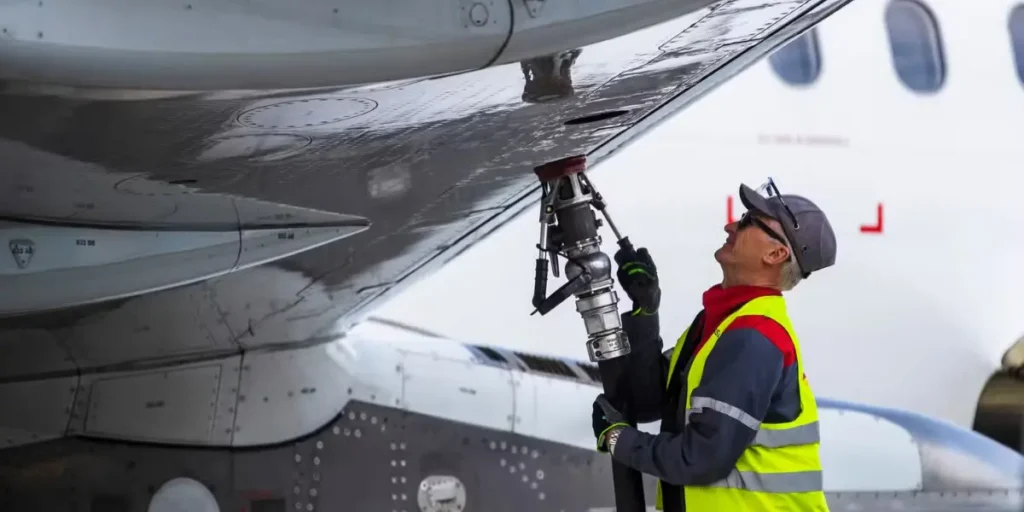
Maintaining aircraft safety standards is vital for ensuring the wellbeing of passengers and crew. Regular inspections are a key part of this process. Each aircraft undergoes routine checks to identify wear and tear, addressing issues before they escalate.
Compliance with strict regulatory guidelines is non-negotiable. Aviation authorities set these standards to create a uniform level of safety across all airlines. Operators must adhere to these rules meticulously.
In addition, maintenance staff play an essential role in upholding safety protocols. Their expertise ensures that every component functions as intended. Continuous training keeps them updated on the latest techniques and technologies.
Another crucial aspect involves record-keeping. Detailed logs document each inspection and repair, providing transparency and accountability throughout an aircraft’s lifespan. This traceability helps build trust between airlines and their customers by demonstrating commitment to flight safety practices.
The Role of Technology in Flight Safety
Technology has transformed flight safety in remarkable ways. Advanced avionics systems now provide pilots with crucial data at their fingertips. These tools enhance situational awareness and decision-making.
Automatic Dependent Surveillance-Broadcast (ADS-B) plays a key role in tracking aircraft positions. It allows for real-time monitoring, reducing the chances of mid-air collisions. This technology continuously broadcasts an aircraft’s location to air traffic control and other nearby planes.
Moreover, predictive maintenance software helps airlines anticipate mechanical issues before they become serious problems. By analyzing data from various sensors, technicians can address concerns proactively.
Flight simulators have also evolved dramatically, offering realistic training scenarios for pilots. Through these simulations, crew members practice emergency protocols without any risk to life or equipment.
Developments in communication technologies ensure that air traffic controllers and pilots stay connected throughout the flight journey. Reliable communication is essential for maintaining safety standards during both routine operations and unexpected situations.
Conclusion
Flight safety is a multifaceted topic that encompasses various aspects of air travel. Every new flyer should feel empowered with knowledge about the intricacies involved in keeping flights secure. From understanding pre-flight checks to recognizing how weather can influence safety, each piece plays an important role.
Awareness of emergency protocols prepares passengers for unexpected situations, while insights into pilot training highlight the rigorous standards they must meet. Knowing common in-flight hazards equips flyers to handle issues calmly and efficiently.
Collaboration with air traffic control enhances overall flight safety, ensuring smooth operations from takeoff to landing. Additionally, advancements in technology continually improve aircraft safety standards and procedures.
With this foundational knowledge of flight safety principles, every traveler can embark on their journey with confidence and reassurance. Safe travels await those who are informed!