
Introduction to Sports Recovery
Every athlete knows that the hard work doesn’t end when training does. Recovery is just as crucial as the sweat poured during those intense sessions on the field, track, or gym. It’s easy to overlook recovery after training when you’re focused on lifting heavier weights, running faster times, or mastering new skills. Yet, it can make all the difference in your performance and longevity in sports.
Proper sports recovery prepares your body for future challenges while helping prevent injuries and enhancing overall performance. Whether you’re a weekend warrior or a seasoned pro, understanding how to optimize your recovery process is essential for reaching and maintaining peak physical condition.
In this guide, we’ll explore key strategies for effective recovery after training. Get ready to dive into nutrition tips, rest techniques, active approaches to healing sore muscles, and even tech solutions designed specifically for athletes like you!

The Importance of Proper Recovery for Athletes
Proper recovery is crucial for athletes at all levels. It’s during this phase that muscles repair and strengthen, leading to improved performance in subsequent training sessions or competitions.
When athletes neglect recovery, they risk fatigue, injury, and burnout. This can derail progress and lead to longer downtime than anticipated. Recognizing the signs of overtraining is essential; it allows athletes to adjust their routines accordingly.
Additionally, proper recovery fosters mental resilience. Athletes who prioritize rest often find themselves more focused and motivated during workouts. Mental clarity plays a significant role in achieving peak performance.
Incorporating effective recovery strategies enhances overall athletic longevity. The body needs time to adapt and rebuild after strenuous activity—only then can athletes truly excel in their sport.
Nutrition and Hydration for Recovery
Proper nutrition plays a pivotal role in sports recovery. After intense training, the body needs essential nutrients to repair and rebuild muscle tissues. Consuming protein-rich foods like lean meats, dairy, or plant-based options is crucial for this process.
Carbohydrates are equally important. They replenish glycogen stores that get depleted during exercise. Whole grains, fruits, and vegetables provide the necessary energy for your next workout.
Hydration cannot be overlooked either. Water helps transport nutrients throughout your body and regulates temperature during physical activity. Dehydration can hinder performance and recovery.
Electrolytes also play a significant role post-training. Foods rich in potassium and sodium help restore balance lost through sweat.
Combining proper nutrition with adequate hydration sets the stage for optimal recovery after training sessions, ensuring you’re ready to tackle your next challenge efficiently.

Sleep and Rest for Optimal Recovery
Sleep is a cornerstone of effective sports recovery. It’s during these restful hours that the body repairs itself, mending muscles and replenishing energy stores. Athletes often underestimate the power of quality sleep.
Aim for 7 to 9 hours per night. This range allows for multiple sleep cycles, which are essential for physical and mental rejuvenation. Deep sleep stages promote muscle growth and hormone regulation, while REM sleep helps with cognitive function.
Creating a calming bedtime routine can enhance your sleep quality. Consider dimming lights an hour before bed or engaging in relaxation techniques like meditation or deep breathing exercises.
Limit screen time close to bedtime as blue light can disrupt natural rhythms. An environment conducive to rest—cool temperatures, comfortable bedding, and minimal noise—further supports optimal recovery after training sessions.
Prioritizing both sleep duration and quality will set athletes on the path toward improved performance and resilience against injuries.
Active Recovery Techniques
Active recovery techniques play a crucial role in sports recovery. They help athletes bounce back faster and reduce muscle soreness.
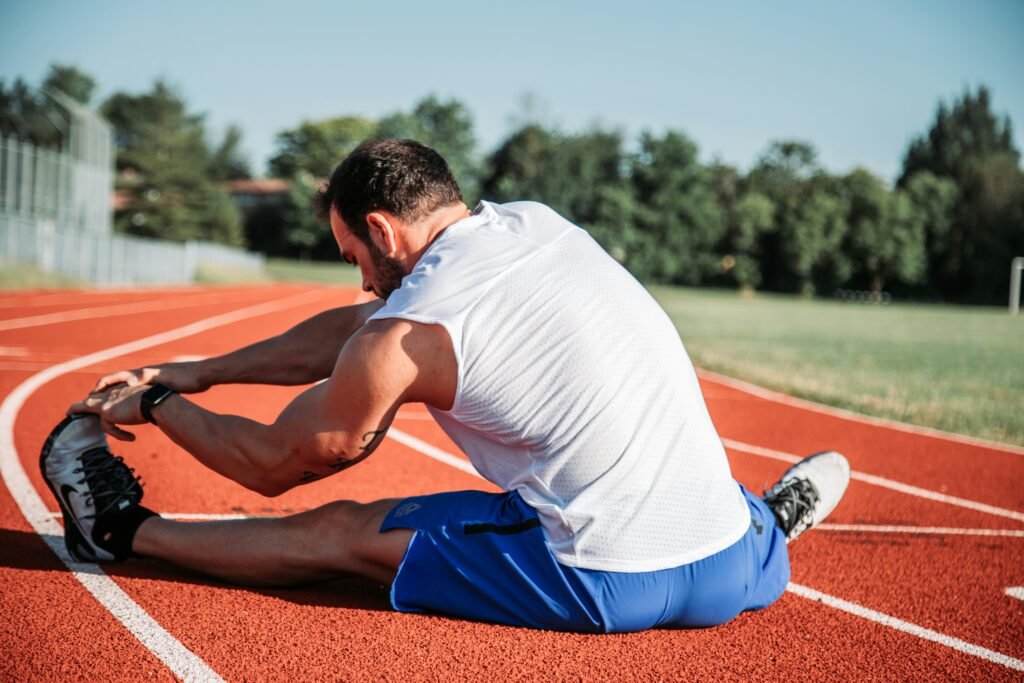
Light exercises like walking or cycling can stimulate blood flow. This increased circulation aids in delivering nutrients to tired muscles, promoting healing. Stretching is also vital; it enhances flexibility and prevents stiffness.
Another effective method includes yoga or Pilates. These practices not only improve physical condition but also focus on breathing and mindfulness, helping the mind unwind after intense training sessions.
Incorporating low-impact activities into your routine keeps you moving while allowing your body to recover effectively. Swimming is an excellent choice as it provides resistance without stressing joints.
Finding what works best for you will enhance your overall performance and readiness for the next challenge ahead.

Use of Technology for Sports Recovery
Technology is changing the way athletes approach sports recovery. Wearable devices track heart rate, sleep patterns, and muscle fatigue. This real-time data helps athletes understand their bodies better.
Recovery apps offer personalized plans that adapt to individual needs. These tools can suggest optimal rest days or highlight when to push harder based on performance metrics.
Cryotherapy chambers are gaining popularity for reducing inflammation. Athletes spend a few minutes in extreme cold, which aids in quicker recovery after intense workouts.
Another innovation is electrical stimulation devices. They help soothe sore muscles and speed up healing through targeted therapy.
Virtual reality also enters the scene by providing immersive environments for guided relaxation and mental rehearsal techniques, enhancing both physical and mental recovery strategies.
Embracing these technologies allows athletes not just to recover faster but also smarter.
The Role of Mental Health in Sports Recovery
Mental health plays a crucial role in sports recovery. Athletes often face immense pressure, both from competition and self-expectations. Managing stress and anxiety can significantly influence physical performance.
A positive mindset aids recovery after training. When athletes feel mentally resilient, they are more likely to adhere to their recovery routines, whether it’s proper nutrition or rest.
Mindfulness techniques like meditation can enhance mental clarity and focus. This not only helps in coping with the rigors of training but also fosters emotional well-being.
Furthermore, seeking support from coaches or peers creates an environment where athletes feel understood. Having open conversations about struggles can alleviate feelings of isolation.
Incorporating psychological strategies into recovery plans is just as vital as physical methods. A holistic approach ensures that both body and mind are ready for peak performance during competitions.
FAQs
Sports recovery is the process athletes use to help their bodies recover after training or competition. Proper recovery can reduce muscle soreness, support injury prevention, and prepare the body for future workouts and competitions.
Rest requirements vary depending on workout intensity, fitness level, and individual recovery needs. After particularly demanding training, athletes may benefit from 24 to 48 hours of recovery, while some sessions may require more or less time.
Hydration helps replace fluids lost through sweat and supports normal body functions during recovery. Adequate fluid intake can also support circulation, temperature regulation, and overall athletic performance.
Protein-rich foods can support muscle repair, while carbohydrates help replenish energy stores. Foods such as lean meats, beans, dairy, fruits, vegetables, and whole grains can be included in a balanced recovery-focused diet.
Active recovery uses low-intensity activities such as walking, gentle cycling, swimming, or stretching. It can promote movement and circulation while placing less stress on the body than a hard training session. Complete rest may still be appropriate when an athlete is particularly fatigued or injured.
Wearable devices, recovery apps, compression tools, and other technologies can provide useful information about factors such as activity, sleep, heart rate, and training load. This information can help athletes make more informed recovery decisions.
Yes. Mental well-being can influence motivation, sleep, stress levels, and an athlete’s ability to maintain healthy recovery habits. Practices such as mindfulness, relaxation, and seeking support when needed can complement physical recovery strategies.