


Table of Contents
Why Error-Free Blog Posts Are Important?
In the vast world of online content, your blog post holds a vital role. It’s not just about sharing ideas; it’s about making an impact. Readers are drawn to well-crafted pieces that resonate with their interests and provide value. However, nothing undermines credibility faster than errors in writing. Mistakes can distract from your message and diminish trust among your audience.
Imagine pouring time and energy into creating the perfect article only for it to be marred by typos or grammar mistakes in blog posts. That’s where strong proofreading comes into play. An error-free post reflects professionalism and attention to detail, setting you apart from the crowd.
Whether you’re a seasoned writer or just starting out, mastering the art of error-free blogging is crucial for success. With some practical strategies and tools at your disposal, you’ll be ready to ensure every piece shines brightly without flaws clouding its brilliance!
Proofreading vs. Editing: Understanding the Difference
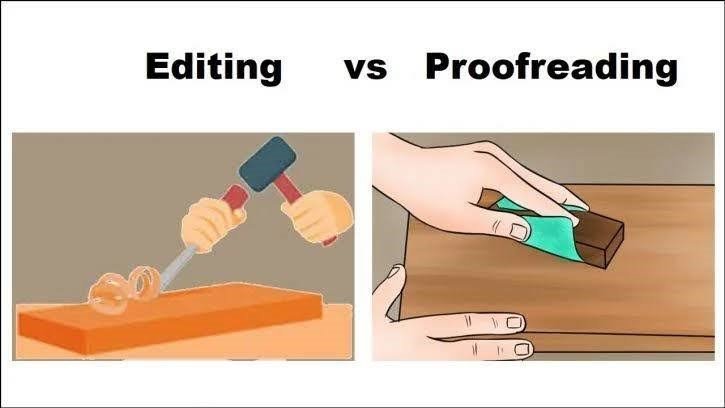
Proofreading and editing are vital steps in the writing process, yet they serve different purposes. Editing focuses on refining content. It involves reorganizing sentences, enhancing clarity, and improving overall flow. This phase allows writers to reshape their message for maximum impact.
On the other hand, proofreading is more about catching errors. It’s your last line of defense against typos, grammatical mistakes, and punctuation issues that might slip through during editing.
While both processes aim to produce high-quality work, they require distinct mindsets. When you edit, think big picture; when you proofread, zoom in on details.
Understanding this difference can enhance your blog post proofreading tips significantly. By tackling each stage with intention, you’ll create polished posts free from grammar mistakes that could undermine your credibility.
Preparing to Write: Tips for Avoiding Errors from the Start
Before you even start writing, set the stage for success. Create a distraction-free environment to boost your focus. Turn off notifications on your devices and consider using apps that block distracting websites.
Next, outline your ideas. A clear roadmap helps keep thoughts organized and reduces the chances of tangling sentences together later on. Jot down key points or phrases to guide you through each section.
Make sure you’re in the right mindset too. Taking short breaks can refresh your brain, leading to clearer thinking when you return to writing.
Also, remember to use simple language wherever possible. Complexity often leads to mistakes. Keep it straightforward; clarity is more engaging than convoluted phrasing.
Familiarize yourself with common grammar mistakes in blog posts by reviewing lists or examples before diving into writing. This knowledge primes you for smoother composition as errors become less likely at the outset.
Tools for Error-Free Writing
In today’s digital age, leveraging technology is essential for producing polished content. Grammar checkers like Grammarly have become indispensable tools for writers. They catch not only spelling errors but also suggest improvements in style and clarity.
Make Every Word Count
Catch grammar mistakes, improve clarity, and polish your writing before you hit publish.
Check Your Writing →
Spell checkers are standard features in word processors, yet relying solely on them can be risky. They may overlook contextual mistakes where the wrong word fits grammatically but doesn’t make sense in context.
Online writing assistants often offer more than just grammar checks. Many provide insights into readability and tone, ensuring your blog resonates with your audience while remaining error-free.
Consider other resources too; browser extensions can highlight errors as you type online. This real-time feedback helps maintain focus on creating quality content without losing track of potential mistakes lurking within your text.
The Power of Peer Review
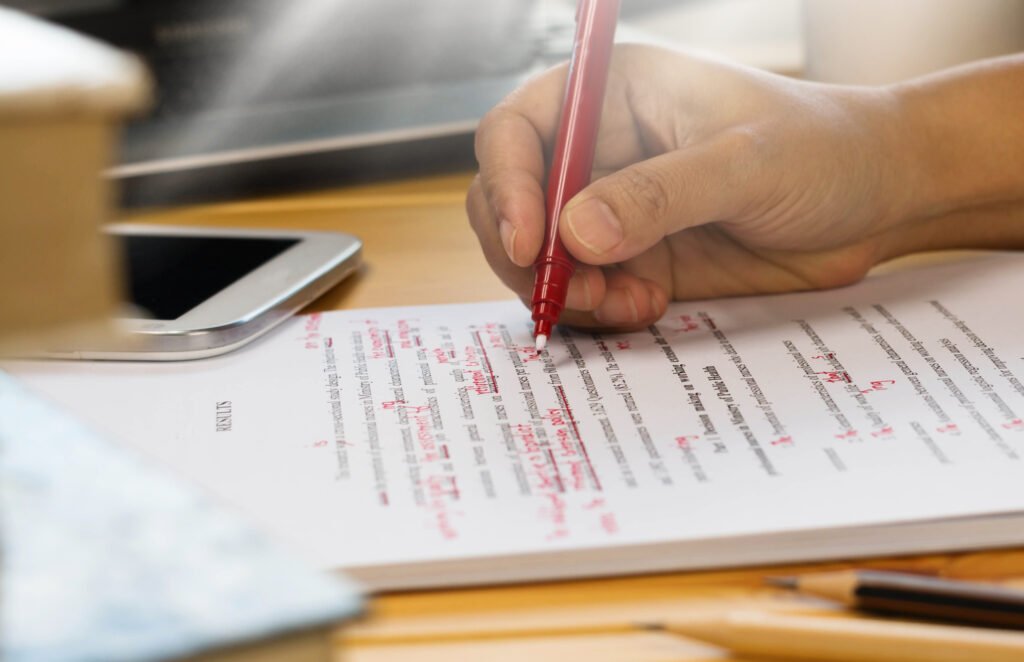
When it comes to crafting error-free blog posts, seeking a second pair of eyes can be invaluable. Peer review offers fresh perspectives and insights that you might overlook in your own writing.
Having someone else read your work allows for immediate feedback. They can catch grammar mistakes in blog posts or awkward phrasing that disrupts the flow. This collaborative approach not only improves clarity but also enhances engagement with your audience.
Moreover, different readers may have unique strengths. Whether they’re adept at spotting spelling errors or are skilled at identifying unclear arguments, leveraging their expertise enriches your content.
Embrace constructive criticism; it’s an opportunity for growth. Encourage peers to ask questions about sections they find confusing, pushing you towards clearer communication. It transforms your post into something even better than you originally envisioned timely and polished!
Common Errors to Watch Out For
When crafting your blog post, it’s easy to overlook common errors. Spelling mistakes can undermine your credibility. Simple typos like “definately” instead of “definitely” make a bad impression.
Grammar is another area where many stumble. Subject-verb agreement is crucial; mismatches confuse readers. A sentence like “The group are meeting” should be corrected to “The group is meeting.”
Punctuation also plays a vital role in clarity. Misplaced commas can change the meaning entirely. Consider this: “Let’s eat, Grandma!” versus “Let’s eat Grandma!” The difference could be deadly!
Watch out for homophones too words that sound alike but have different meanings, such as “their,” “there,” and “they’re.” These mix-ups often slip through unnoticed yet carry significant weight.
Keeping an eye on these details will elevate the quality of your writing significantly and enhance reader engagement.