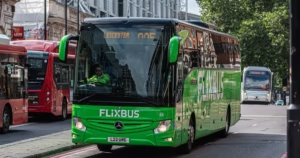


- Why Choose FlixBus for Weekend Getaways from London?
- Ticket Prices: Which Option Saves You More Money?
- Comfort and Onboard Experience
- Travel Time: Is Faster Always Better?
- Route Coverage and Accessibility
- Flexibility and Booking Options
- Sustainability: Which Is More Eco-Friendly?
- FlixBus vs Train: Quick Comparison Table
- Tips to Save More on Your Journey
- Frequently Asked Questions
Traveling on a budget can be both thrilling and daunting. With so many options at your fingertips, choosing the right mode of transport is crucial. Two popular contenders often come to mind: FlixBus and train travel. Each offers unique benefits that cater to different types of travelers. Whether you’re planning a weekend getaway or an extended journey across Europe, understanding the differences between them can help you make an informed decision.
Are you looking for affordability? Comfort? Or maybe speed is your main concern? This guide will delve into various aspects of FlixBus versus trains, helping you navigate through ticket prices, onboard experiences, and more. By the end, you’ll have all the insights needed to choose the best option for your next adventure while sticking within your budget. Let’s get started!
Ticket Prices: Which Option Saves You More Money?
When it comes to budget travel, ticket prices are often the first consideration. FlixBus typically offers some of the most competitive rates in the market. With frequent promotional deals and discounts for students or groups, travelers can find fares as low as a few euros.
Trains, while reliable and comfortable, usually come with a higher price tag. The cost varies greatly depending on the time of booking and route selected. Last-minute tickets can leave your wallet feeling significantly lighter.
However, consider additional factors like baggage fees or onboard amenities that may sway your decision. Some train services include complimentary refreshments or Wi-Fi, which could justify their higher costs for certain travelers.
If saving money is your top priority, FlixBus tends to have an edge when comparing base ticket prices alone.
Comfort and Onboard Experience
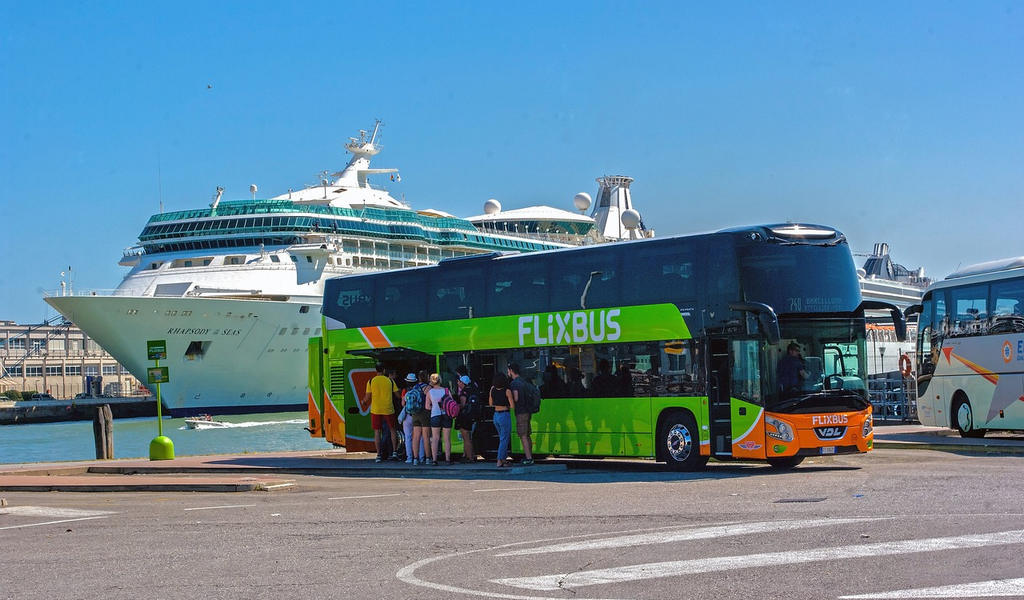
When it comes to comfort, FlixBus and trains each offer their unique advantages. On a FlixBus, you can expect spacious seating with ample legroom. Many buses also feature adjustable headrests and power outlets for your devices.
The onboard experience varies significantly between the two modes of transport. Trains often boast larger windows, allowing for panoramic views, while some routes provide dining cars or lounge areas. This can make longer journeys more enjoyable.
However, bus trips may include perks like free Wi-Fi and extra storage space for luggage. While both options strive to create a welcoming atmosphere, personal preferences will ultimately dictate which feels more comfortable.
Consider what’s important to you—whether it’s reclining seats on a bus or the ability to roam freely in train carriages—as you weigh your choices for budget travel.
Travel Time: Is Faster Always Better?
Travel time is often a decisive factor when choosing between FlixBus and train travel. Speed can be appealing, especially for tight schedules. Trains generally offer quicker journeys on popular routes, thanks to their dedicated tracks.
However, don’t overlook the value of the journey itself. Buses might take longer but often provide scenic views that trains miss. Relaxing in a comfortable seat while watching landscapes unfold can turn travel into an enjoyable experience rather than just a means to an end.
Moreover, consider potential delays. While trains are usually punctual, unexpected issues like maintenance or signal problems can arise. On the other hand, buses may face traffic jams but also have more frequent stops for breaks.
Speed isn’t everything; sometimes it’s about savoring the ride as much as reaching your destination.
Route Coverage and Accessibility
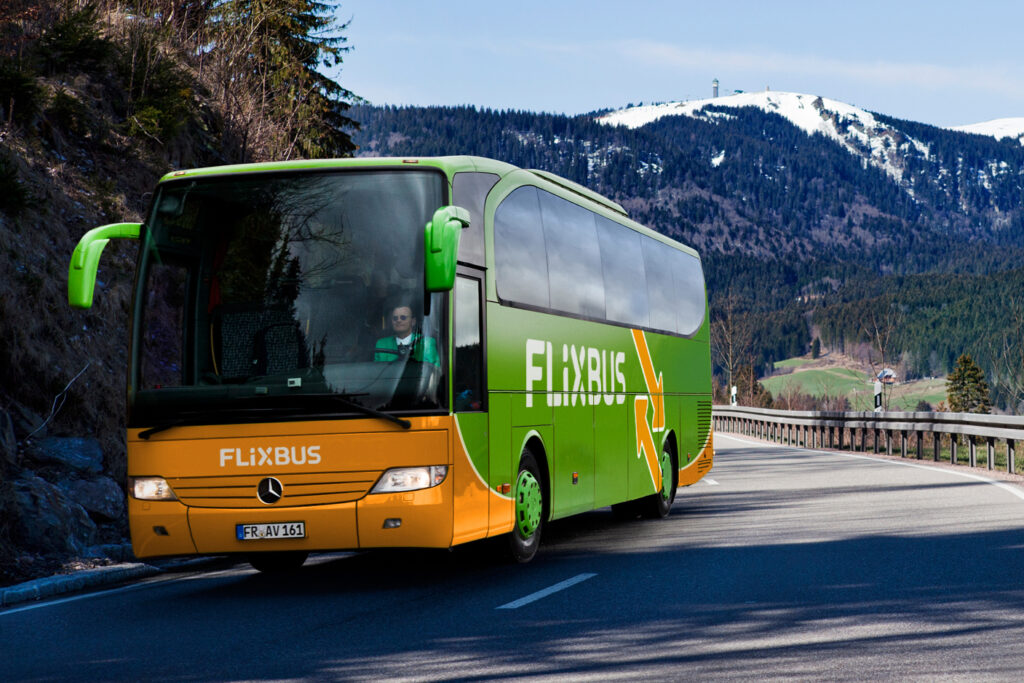
When it comes to route coverage, both FlixBus and trains offer unique advantages. FlixBus operates an extensive network across Europe and North America, reaching many cities that may not be accessible by train. This makes it a convenient option for travelers seeking off-the-beaten-path destinations.
Trains, on the other hand, often provide swift connections between major urban centers. High-speed rail services can whisk you from one city to another in no time flat. However, they might miss smaller towns or rural areas where buses thrive.
Accessibility is also key. Train stations are typically located near city centers but can pose challenges for those with heavy luggage or mobility issues due to stairs and platforms. FlixBus terminals tend to have simpler access points, making them easier for a broader range of travelers.
Your choice will depend on your specific travel itinerary and destination needs.
Flexibility and Booking Options
When it comes to flexibility, both FlixBus and trains offer distinct advantages. FlixBus is known for its user-friendly app and website. Booking a ticket can be done in minutes, often with last-minute options available.
Trains may require advance reservations, especially during peak travel times. However, they also provide various classes of service that might cater better to your needs on longer journeys.
Changing tickets or canceling can differ between the two modes. While FlixBus allows you to modify plans relatively easily, train operators often have stricter policies that vary by country.
Both options usually offer mobile tickets, making it simple to hop on board without printing anything out. This ease adds an extra layer of convenience when you’re on the go.

Sustainability: Which Is More Eco-Friendly?
When it comes to sustainability, the differences between FlixBus and trains can be quite striking. Buses generally have a lower carbon footprint per passenger compared to cars and planes. FlixBus has made strides in reducing emissions with their modern fleet.
Trains also hold a strong position in this arena. Electric trains, particularly those powered by renewable energy sources, can minimize environmental impact even further. In many regions, rail transport is heralded as one of the greenest modes available.
However, factors like route efficiency play a significant role. A nearly full bus may reduce individual emissions more effectively than a partially filled train.
Both options offer eco-friendly choices for budget travelers seeking greener paths. The decision ultimately hinges on specific routes and how each service operates within its local context.
FlixBus vs Train: Quick Comparison Table
When choosing between FlixBus and trains for your next budget trip, a quick comparison can be helpful.
FlixBus generally offers lower ticket prices compared to train travel. This makes it an attractive option for those looking to save money.
In terms of comfort, buses might feel cramped during long journeys. Trains often provide more space and better amenities.
Travel time is another critical factor. Buses frequently take longer due to stops along the way, while trains can whisk you from point A to point B faster.
Route coverage leans in favor of both options; however, FlixBus may reach remote areas that trains do not serve.
For flexibility, both modes offer varying booking options but check cancellation policies closely.
Sustainability also plays a role in decision-making since trains usually emit less CO2 than buses.

Tips to Save More on Your Journey
Traveling on a budget doesn’t have to mean sacrificing comfort or convenience. Start by booking your FlixBus tickets in advance. Prices often rise as the departure date nears.
Consider traveling during off-peak times. Midweek journeys usually offer lower fares than weekend trips, making it easier to save money.
Flexibility can work wonders for your wallet too. If you’re open to changing your travel dates or routes, you might find better deals.
Keep an eye out for promotions and discounts available on the FlixBus website or app. These can significantly reduce costs.
Pack light! Many carriers charge fees for extra luggage, so stick to essentials only.
Join loyalty programs if you frequently use either option. Accumulating points can lead to free rides down the line!