


Why features matter in a sports car?
When it comes to sports cars, it’s easy to get caught up in the allure of sleek designs and roaring engines. But behind that captivating exterior lies a complex world of features that truly define what makes a sports car exceptional. Whether you’re a seasoned racer or an enthusiastic weekend driver, understanding these features can transform your driving experience.
Performance capabilities like acceleration and braking aren’t just numbers on paper; they translate into thrilling moments on the road. Design elements such as aerodynamics play a critical role in how your car behaves at high speeds. And let’s not forget technology enhancements that keep you connected while ensuring safety.
Ready to dive deeper? Let’s explore the essential features that matter most when choosing your next dream machine!
Performance Features:
When it comes to sports cars, performance features are where the magic happens. Acceleration and speed can transform a mundane drive into an exhilarating experience. A powerful engine paired with quick-shifting transmissions often defines these vehicles. The thrill of pushing down on the accelerator is unmatched.
Handling and suspension play crucial roles in maintaining control at high speeds. Advanced suspension systems reduce body roll, ensuring sharp cornering and responsive steering. This balance transforms ordinary roads into racetracks.
Braking systems deserve attention too. High-performance brakes provide confidence during sudden stops, allowing drivers to navigate tricky situations safely. Upgraded calipers and rotors enhance stopping power, making sure every drive feels secure.
These elements combine to create a driving experience that excites enthusiasts while commanding respect on the road.

A. Acceleration and Speed
Acceleration and speed are the heartbeats of any sports car. They define the thrill of driving, setting the stage for an exhilarating experience. Imagine pressing down on the accelerator and feeling that surge as you’re propelled forward with breathtaking force.
Manufacturers often tout impressive 0-60 mph times, but it’s not just about numbers. It’s how those moments feel—the pulse racing as power meets precision. A well-engineered engine can transform a mundane drive into something extraordinary.
Speed isn’t merely about how fast you go; it’s also about control. The ability to transition from quick starts to high speeds while maintaining stability is crucial. This harmony between acceleration and speed makes every twist in the road a delight rather than a challenge.
In essence, these features elevate your driving adventure, blending raw power with finesse for an unforgettable ride.
B. Handling and Suspension
Handling and suspension are pivotal for any sports car. They influence how agile and responsive a vehicle feels on the road or track.
A well-tuned suspension system allows for precise cornering. With features like adaptive dampers, it adjusts to various driving conditions in real-time. This ensures that the ride remains smooth without sacrificing performance.
Weight distribution plays a significant role too. A balanced setup enhances stability during high-speed maneuvers, giving drivers confidence as they push their limits.
Furthermore, steering feedback is crucial. It connects you to the road, allowing you to feel every twist and turn with clarity. The sharper the response from your steering wheel, the better you can navigate challenging curves.
Together, these elements create an exhilarating experience behind the wheel—one that keeps you coming back for more thrill and adventure on every drive.
C. Braking System
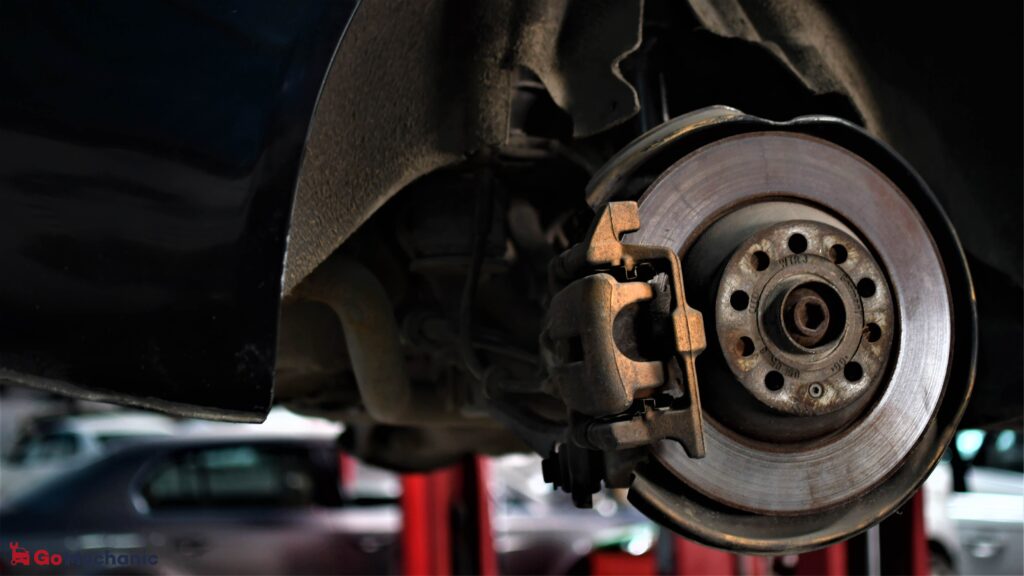
A sports car’s braking system is more than just a safety feature; it’s a crucial component that defines performance. When you’re pushing the limits on the track or navigating winding roads, responsive brakes are essential.
High-performance brake pads and rotors made from advanced materials can withstand extreme temperatures without fading. This ensures consistent stopping power when you need it most.
Additionally, many sports cars incorporate anti-lock braking systems (ABS) for enhanced control during hard stops. This technology prevents wheel lockup, allowing drivers to steer while braking aggressively.
Consider also the weight of the components involved. Lighter materials help reduce unsprung mass, making it easier for your vehicle to handle sharp turns with precision.
The right braking setup not only enhances safety but significantly boosts driver confidence behind the wheel. That sense of security allows enthusiasts to focus on what truly matters: enjoying every moment on the road or track.
Design Features:
When it comes to sports cars, design features are not just about aesthetics; they play a critical role in performance. Body style and aerodynamics can significantly influence how a car slices through the air. A low-slung silhouette often reduces drag, enhancing speed and fuel efficiency.
Weight distribution is another vital element. Properly balanced weight ensures better handling and stability during sharp turns, allowing drivers to maintain control at high speeds.
The choice of tires and wheels cannot be overlooked either. Wider tires provide more grip on the road surface, improving acceleration and cornering capabilities. The right wheel size complements suspension systems for optimal ride quality.
Every detail matters in a sports car’s design, from the contours of its body to its braking dynamics—all working together to create an exhilarating driving experience that keeps enthusiasts coming back for more.

A. Body Style and Aerodynamics
The body style of a sports car plays an essential role in its performance. Sleek lines and low profiles not only look stunning but also enhance aerodynamics. A well-designed exterior reduces drag, allowing the car to slice through the air with ease.
Aerodynamic features like spoilers and diffusers optimize airflow around the vehicle. These elements help maintain stability at high speeds, preventing lift that could compromise control. The shape of the headlights and grille can further influence airflow, contributing to overall efficiency.
Material choice is equally important. Lightweight materials such as carbon fiber or aluminum provide strength without adding unnecessary weight. This combination improves speed while ensuring durability.
In sports cars, every detail counts—each curve and contour meticulously crafted for maximum impact on both performance and aesthetics.
B. Weight Distribution
Weight distribution plays a crucial role in the performance of a sports car. It affects handling, stability, and overall driving dynamics.
A balanced weight setup allows for better cornering capabilities. When the weight is evenly distributed between the front and rear axles, it enhances grip during turns. This means drivers can push their limits without sacrificing control.
In high-performance vehicles, manufacturers often aim for a near 50/50 balance. This configuration provides predictable handling characteristics and responsiveness. However, some cars may lean towards rear or front-heavy designs to suit specific driving styles.
Additionally, advancements in materials have allowed engineers to optimize weight distribution further. Using lighter components strategically can shift mass toward key areas like the chassis or suspension system.
Understanding how weight impacts your drive experience helps enthusiasts make informed choices when selecting their ideal sports car.
C. Tires and Wheels
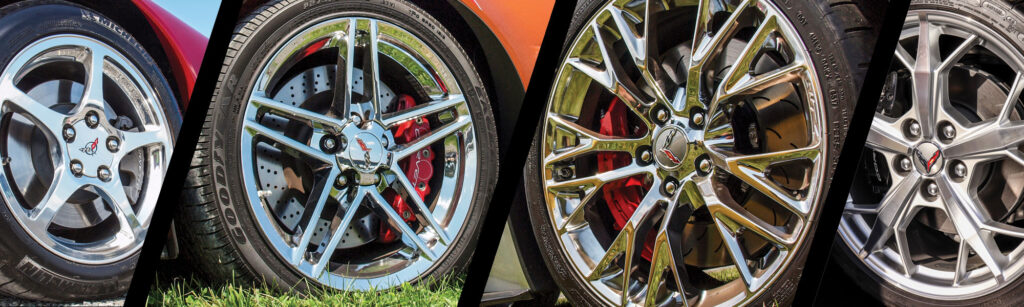
Tires and wheels are the unsung heroes of sports cars. They carry all that power to the pavement, translating raw speed into real-world performance. The right tires can enhance grip, allowing for sharper cornering and quicker acceleration.
Wheels play a crucial role too. Lightweight materials such as forged aluminum or carbon fiber help reduce overall weight. This reduction boosts agility, providing drivers with a more responsive experience on the road or track.
Additionally, tire compounds matter immensely. Softer compounds offer superior traction but wear out faster. Harder compounds last longer but might sacrifice some grip at high speeds.
Wheel size influences handling dynamics significantly. Larger wheels often provide better performance due to increased contact area with the road surface while also enhancing aesthetic appeal—after all, looks do count in the world of sports cars!
Technology Features:
Today’s sports cars are not just about raw power; they also integrate cutting-edge technology. The engine and transmission systems play a crucial role in maximizing performance. Turbocharging and hybrid options enhance torque and responsiveness, giving drivers an exhilarating experience.
Advanced Driver Assistance Systems (ADAS) have become increasingly important. These features help improve safety without sacrificing the thrill of driving. Adaptive cruise control, lane-keeping assist, and parking sensors provide added support on both racetracks and everyday roads.
Infotainment systems elevate the driving experience with seamless connectivity. Touchscreen displays, smartphone integration, and high-quality audio keep drivers engaged while ensuring focus remains on the road ahead. With voice recognition capabilities becoming standard, accessing navigation or music can be done hands-free—a perfect blend of convenience and innovation in modern sports cars.
A. Engine and Transmission
The engine is the heart of any sports car. It dictates not just speed but also how responsive your ride feels on the road. A powerful engine can mean the difference between a thrilling drive and a mundane experience.
Transmission plays an equally crucial role. Whether you prefer manual or automatic, it affects acceleration and gear shifts. Many enthusiasts swear by dual-clutch transmissions for seamless changes that keep you in the power band.
Turbocharged engines are gaining popularity, offering more torque while maintaining efficiency. These innovations provide an exhilarating boost when you need it most.
Don’t overlook hybrid options either—some manufacturers successfully blend performance with eco-friendliness, proving you can have both thrill and responsibility behind the wheel. The right combination of engine type and transmission system truly elevates your driving experience, making each journey unforgettable.

B. Advanced Driver Assistance Systems (ADAS)
Modern sports cars are increasingly equipped with Advanced Driver Assistance Systems (ADAS) that enhance both performance and safety. These systems leverage cutting-edge technology to provide drivers with a more engaging experience while minimizing risks.
Adaptive cruise control is one standout feature, allowing the car to maintain a set speed while adjusting automatically to traffic conditions. This lets you focus on the thrill of driving without constant pedal adjustments.
Lane-keeping assist helps ensure your vehicle stays in its lane, providing gentle guidance when it senses drifting. It’s an intelligent addition for those spirited drives on winding roads.
Blind-spot monitoring alerts drivers to vehicles lurking unseen beside them. Merging or changing lanes becomes less stressful when you have this extra layer of awareness.
As these technologies evolve, they not only protect occupants but also enhance the overall sports car experience by making high-performance driving more accessible and enjoyable.
C. Infotainment System
The infotainment system in a sports car is more than just entertainment; it’s an essential part of the driving experience. A well-designed interface can significantly enhance your time behind the wheel.
Look for systems that offer seamless smartphone integration. Features like Apple CarPlay and Android Auto allow you to access apps, navigation, and music without distractions. Touchscreen responsiveness matters too. You want quick reactions with minimal lag while on the move.
Voice control capabilities add another layer of convenience. Being able to adjust settings or make calls hands-free keeps your focus where it belongs—on the road ahead.
Customizable displays are also a plus, letting drivers choose what information they see at a glance. From performance stats to navigation prompts, personalization elevates usability.
Consider sound quality. A premium audio system transforms every drive into an immersive experience filled with rich sounds that complement high-speed thrills.

Safety Features
Safety features are a crucial aspect of sports cars, ensuring that speed and excitement don’t come at the cost of security. A strong chassis can absorb impacts effectively, making it essential for any high-performance vehicle.
Advanced airbag systems have evolved significantly. They deploy quickly during collisions, offering vital protection to occupants. This innovation is paramount in the event of an accident.
Another key safety component is traction control. It helps maintain grip during extreme driving conditions, allowing drivers to push their limits without losing control.
Additionally, many modern sports cars now include rearview cameras and parking sensors. These tools enhance spatial awareness when navigating tight spaces or tricky parking situations.
Adaptive cruise control has also made its way into the mix. By adjusting speed automatically based on surrounding traffic, it reduces driver fatigue on long journeys while keeping safety front and center.
FAQ
When considering a sports car, questions often arise. What features should you prioritize? Here are some common inquiries.
1. **What is the most important performance feature in a sports car?**
Acceleration and speed tend to be at the top of many enthusiasts’ lists. However, handling and braking capabilities are equally vital for a thrilling yet safe driving experience.
2. **How does body style affect performance?**
Aero dynamics play a significant role in how smoothly your car cuts through air. A well-designed body can improve stability and efficiency at high speeds.
3. **Are advanced driver assistance systems necessary in sports cars?**
While some may argue they detract from the pure driving experience, modern ADAS can enhance safety without sacrificing fun on the road or track.
4. **What type of tires should I look for?**
High-performance tires designed specifically for grip will elevate both acceleration and cornering ability, making them essential for any serious sports car aficionado.
5. **Is an infotainment system really that important?**
Many drivers appreciate having access to navigation, music streaming, and connectivity options while enjoying their drive—so yes, it matters more than you’d think!
The right mix of features ultimately enhances not just how fast you go but also how enjoyable every moment behind the wheel can be.