

5G and Fiber Internet
The world of internet connectivity is evolving rapidly, and two contenders are stealing the spotlight: 5G home internet and fiber optic connections. As we all lean more heavily on our internet for everything from streaming movies to working from home, understanding these options becomes essential. Each technology offers unique strengths and weaknesses that cater to different needs.
Are you curious about which one might be best for your household? With 5G’s promise of lightning-fast speeds delivered over wireless networks and fiber’s reputation for stable, high-capacity connections through cables, it can be challenging to decide. Let’s dive into this digital showdown—comparing speed, availability, cost, reliability—and uncover what each option brings to the table in today’s connected world!
Speed and Performance Comparison
When it comes to speed, 5G home internet boasts impressive download speeds that can reach up to 1 Gbps under optimal conditions. This rapid performance is a game changer for streaming and gaming enthusiasts.
Fiber internet holds its own with consistent speeds often exceeding 1 Gbps as well. It offers symmetrical upload and download speeds, making it an excellent choice for content creators who upload large files regularly.
Latency also plays a significant role in user experience. Fiber typically has lower latency compared to 5G, which can be crucial during online gaming or video calls.
However, the actual experience may vary based on network congestion and distance from cell towers for 5G users. With fiber running through dedicated lines, you’re less likely to encounter slowdowns during peak hours.
Both technologies deliver remarkable performance but cater to different needs depending on your usage patterns and location.

Availability in Different Areas
Availability varies significantly between 5G home internet and fiber services.
5G technology is rapidly expanding, reaching urban areas first. Many providers are rolling out their networks to cover larger regions quickly. This means you may find 5G options in places where traditional broadband hasn’t yet ventured.
On the flip side, fiber internet often requires extensive infrastructure investment. Its availability is primarily centered around densely populated cities and suburbs. Rural areas typically lag behind due to installation challenges.
When assessing your options, check local coverage maps for both technologies. Some communities might have excellent 5G signals while lacking nearby fiber connections or vice versa.
Keep in mind that even within the same city, service quality can differ block by block. Always consider your specific location when weighing these choices for home internet connectivity.
Cost Comparison
When evaluating 5G home internet versus fiber, cost is a critical factor. Typically, 5G plans are more flexible and may offer competitive pricing tiers.
Many 5G providers present enticing promotional packages to attract new customers. These often include no long-term contracts or hidden fees, making them appealing for those looking to save money upfront.
On the other hand, fiber internet tends to have higher installation costs due to infrastructure requirements. Monthly rates can also be steeper than some 5G options.
However, keep in mind that while initial expenses matter, the value of consistent performance should weigh heavily on your decision. If you plan heavy usage like gaming or streaming in high definition, investing in fiber might prove worthwhile despite higher price tags.
Assessing both setups based on your personal needs will lead you closer to finding the best fit for your budget and requirements.
Reliability and Stability
Reliability and stability are critical factors when assessing internet options. 5G home internet has made impressive strides, but it can still be susceptible to fluctuations. Signal strength often hinges on distance from the tower and obstructions like buildings or trees.
In contrast, fiber optics offer a more consistent experience. Fiber connections deliver data through light signals, ensuring minimal interference regardless of environmental conditions. This means you’re less likely to face slowdowns during peak usage times.
However, 5G’s growing infrastructure is improving rapidly. As providers expand coverage areas and enhance technology, reliability may become less of a concern for users in urban environments.
For those who require uninterrupted service—like remote workers or avid gamers—fiber remains the gold standard currently available. But keep an eye on advancements in 5G; its future could reshape expectations around reliability in home internet options.
Pros and Cons of 5G Home Internet
5G home internet offers impressive speed capabilities, often reaching gigabit levels. This makes it an attractive option for streaming and gaming.
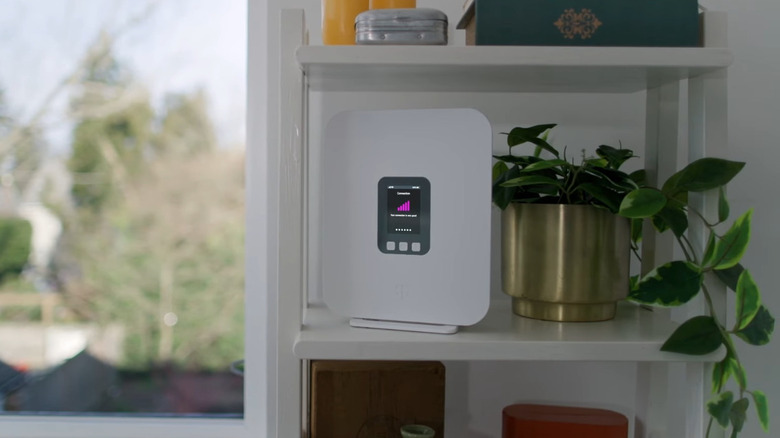
Installation is typically straightforward. Many providers deliver equipment directly to your home, reducing hassle.
However, coverage can be inconsistent. In rural areas, connections may not be as robust compared to urban centers with better infrastructure.
Another downside is potential congestion during peak hours. As more users connect simultaneously, speeds can drop significantly.
Additionally, 5G signals are sensitive to obstacles like buildings or trees. This might lead to interruptions in service at times when you need it most.
While the technology promises low latency, real-world experiences vary greatly based on location and provider network quality. Users should weigh these factors carefully before making a switch.
Pros and Cons of Fiber Internet
Fiber internet stands out for its impressive speed and performance. With download speeds that can reach up to 1 Gbps or more, it’s ideal for heavy users like gamers and streamers.
Another major advantage is its reliability. Fiber connections are less susceptible to interference from weather conditions or physical obstacles, ensuring a consistent experience.
However, the installation process can be cumbersome. Running fiber lines often requires significant infrastructural work which might not be available in all areas.
Moreover, while fiber plans offer competitive pricing, they may still come with higher upfront costs compared to other options like DSL or cable internet.
Customer service varies widely between providers. Some companies excel in support while others fall short, impacting user satisfaction significantly.
Factors to Consider when Choosing Between 5G and Fiber
When deciding between 5G and fiber internet, several factors come into play. First, consider your location. Urban areas often have better access to both services, while rural locations may lean towards one option.
Next, think about your internet usage habits. If you stream videos or work from home frequently, the stability of fiber might appeal more to you. On the other hand, if mobility is key—like using a hotspot for multiple devices—5G could be advantageous.
Evaluate installation processes as well. Fiber usually requires professional setup and infrastructure adjustments; whereas 5G can offer quicker setups with minimal equipment changes.
Keep an eye on data limits and speeds offered by providers in your area. These can significantly impact your experience based on how much bandwidth you need daily. Each person’s needs are unique; weigh these aspects carefully before making a decision.
Future of 5G and Fiber Internet
The future of 5G and fiber internet is brimming with potential. As technology continues to evolve, we can expect faster speeds and improved connectivity options.
Telecom companies are investing heavily in expanding their 5G networks. This will not only enhance mobile experiences but also boost home internet services. With lower latency, gamers and streamers stand to gain immensely.
On the other hand, fiber optics remains a powerhouse for stable connections. Its capacity for higher bandwidth ensures that households can support multiple devices without slowing down.
Emerging technologies like smart homes and IoT devices will rely on both forms of connectivity. The interplay between 5G’s mobility and fiber’s reliability could redefine how we interact with our digital environments.
As cities grow smarter, integrating these technologies will be crucial for seamless communication. Businesses too will leverage this synergy to optimize operations and improve customer experiences.
Conclusion
Choosing between 5G home internet and fiber is a significant decision. Each has its strengths, catering to different needs.
Many factors come into play: speed, availability, cost, and reliability. Understanding these elements can help you make an informed choice that fits your lifestyle.
As technology evolves, both options will continue to improve. Keeping an eye on advancements in either service could benefit future selections.
Consider what matters most for your connectivity — whether it’s lightning-fast download speeds or consistent performance during peak hours.
Your unique situation dictates the best option for you. Take time to evaluate local providers and their offers as they vary widely across regions.

FAQ
When it comes to choosing between 5G home internet and fiber, understanding the specifics of each option can be a game changer. Both technologies offer unique benefits and drawbacks, making them suitable for different user needs.
What are some key differences in speed?
Typically, fiber internet offers faster download and upload speeds compared to 5G. While 5G can reach impressive speeds in ideal conditions, those numbers may fluctuate based on various factors like network congestion or distance from a cell tower.
Is availability an issue with either service?
Yes, both services have varying levels of availability depending on your location. Fiber is often limited to urban areas due to infrastructure challenges. On the other hand, while 5G is expanding rapidly, it may still not cover rural locations adequately.
How do they compare cost-wise?
Pricing for both options varies widely by provider but generally speaking; fiber may appear more expensive upfront due to installation fees, while many find that ongoing costs for 5G could add up over time if data limits come into play.
Which one proves more reliable?
Fiber tends to be more stable as it’s less susceptible to interference from weather or physical obstructions compared to its wireless counterpart. However, advancements in technology continue improving the reliability of 5G networks daily.
What are some pros of opting for 5G home internet?
Flexibility is certainly a big plus here; you don’t need cables running through your house. Set-up can also be quicker as long as you’re within range of a strong signal.
On the flip side with fiber internet:
The most notable advantage lies in high-speed consistency during peak usage times—a strong point if multiple devices are connected simultaneously at home or work.
When deciding which route suits you best—considering your specific needs such as speed requirements versus budget constraints becomes crucial.
As technology evolves further down the line—both solutions will likely adapt significantly too! Keeping an eye out on future developments helps ensure whichever choice you make aligns perfectly with how we consume content today