

How We Support Our Journalism
LuxuryCoordinates is reader-supported. Some articles may contain carefully selected affiliate recommendations for travel services, hotels, loyalty programs, and products we genuinely believe provide value.
If you choose to purchase through these links, we may earn a commission at no additional cost to you. These partnerships help us continue producing premium travel content, destination guides, and luxury travel insights.
- What is a Personal Brand and Why is it Important for Ecommerce?
- Identifying Your Unique Brand Identity
- Integrating Your Personal Brand into Your Ecommerce Store
- Utilizing Social Media to Build Your Personal Brand
- Collaborating with Influencers to Boost Your Personal Brand
- Measuring the Success of Your Personal Brand
- Conclusion
In the bustling world of ecommerce, establishing a strong personal brand can set you apart from the competition. As more entrepreneurs flock to platforms like Shopify to open online stores, it’s no longer just about selling products; it’s about telling your story and connecting with your audience on a deeper level. Your personal brand is more than just a logo or catchy tagline it’s the essence of who you are as an entrepreneur and how that identity resonates with customers.
Building this connection not only drives sales but also fosters loyalty in an age where consumers crave authenticity. So, whether you’re starting from scratch or looking to enhance your existing ecommerce store, understanding and developing your personal brand should be at the forefront of your strategy. Let’s dive into how you can create a compelling narrative that will captivate audiences and transform casual shoppers into devoted fans.
What is a Personal Brand and Why is it Important for Ecommerce?
A personal brand represents your identity as an entrepreneur. It’s how you communicate your values, mission, and personality to the world. In ecommerce, where competition is fierce, a strong personal brand can make all the difference.
Customers today are seeking authenticity. They want to connect with real people behind the brands they support. When you share your story and passion, it builds trust and loyalty among shoppers.
Having a recognizable personal brand also helps differentiate you from others in your niche. With countless online stores saturating the market, standing out becomes crucial for attracting customers and driving sales.
Moreover, a well-crafted personal brand enhances customer engagement across various platforms—be it on social media or through email marketing campaigns. This connection not only boosts visibility but also encourages repeat business in an increasingly digital landscape.
Identifying Your Unique Brand Identity
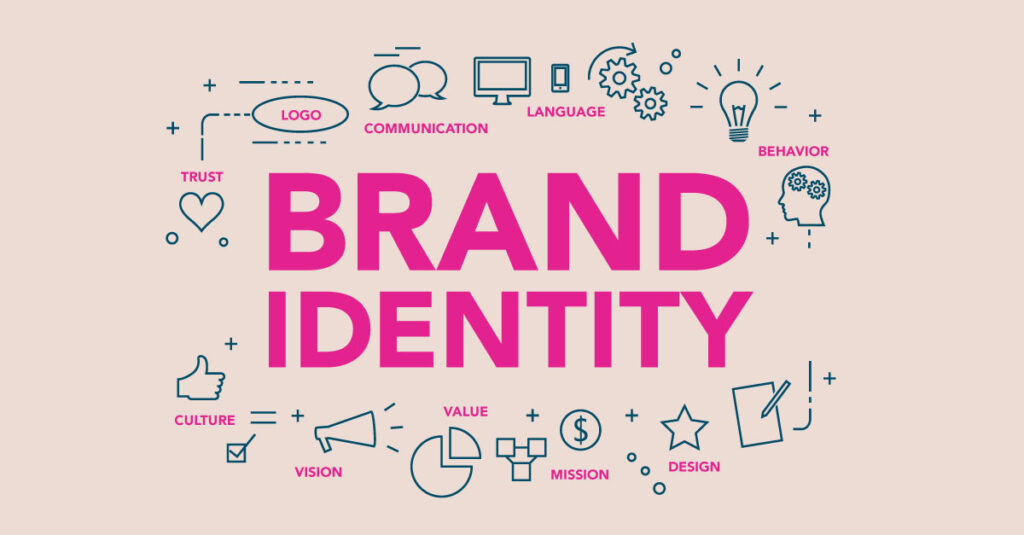
To stand out in the crowded ecommerce space, it’s essential to identify your unique brand identity. This is more than just a logo or catchy tagline; it encapsulates who you are as a creator and what your Shopify store represents.
Start by reflecting on your values and passions. What drives you? Consider how these elements can resonate with potential customers. Authenticity attracts attention.
Next, think about your target audience. Understand their needs, preferences, and pain points. Tailoring your message to them will create a deeper connection.
Visual aesthetics also play a crucial role in shaping brand identity. Choose colors, fonts, and imagery that reflect your personality while aligning with market expectations.
Don’t shy away from storytelling. Sharing personal anecdotes or challenges adds depth to your brand persona and fosters community around shared experiences.
Integrating Your Personal Brand into Your Ecommerce Store
Integrating your personal brand into your ecommerce store is a game changer. It allows you to create a unique shopping experience that resonates with customers on a deeper level.
Start by reflecting your personality in the design and aesthetic of your online store. Use colors, fonts, and images that embody who you are.
Next, weave storytelling into product descriptions. Share why each item matters to you or how it connects to your values. This approach not only informs but also engages potential buyers emotionally.
Don’t forget about customer interaction. Your voice should shine through in chat responses and emails. Authenticity builds trust, encouraging repeat visits and purchases.
Showcase testimonials that highlight personal experiences with both you and your products. Real stories from happy customers can reinforce loyalty while enhancing your brand’s credibility in the ecommerce landscape.
Utilizing Social Media to Build Your Personal Brand
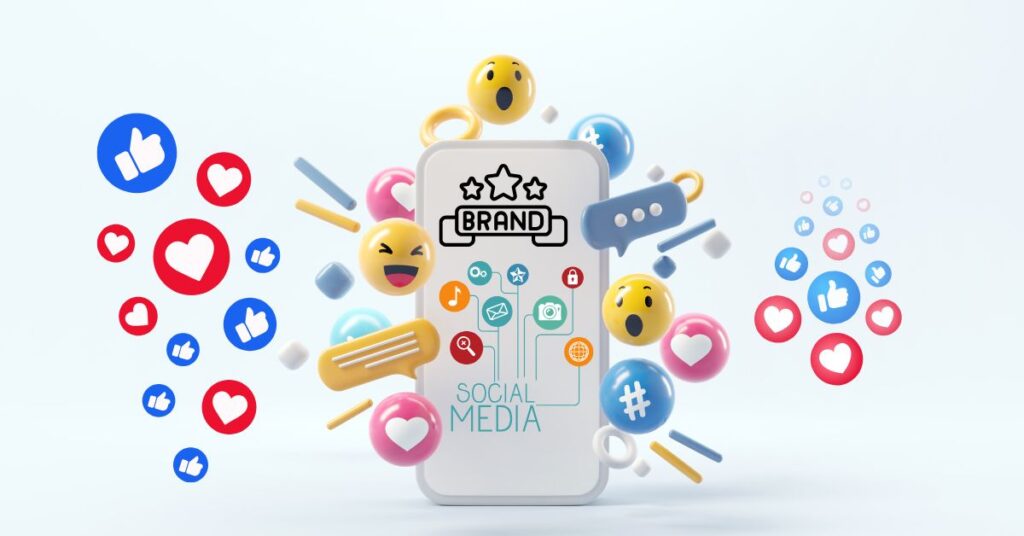
Social media is a powerful tool for building your personal brand. It allows you to connect with your audience on a more personal level. Share your journey, values, and what drives you.
Engage actively with followers by responding to comments and messages. Authentic interactions can create loyal supporters who believe in your vision.
Content is king, so post regularly about topics that resonate with your brand’s identity. Use visuals like photos or videos to capture attention quickly.
Experiment with different formats stories, reels, or even live sessions to showcase behind-the-scenes glimpses of your ecommerce store life. This transparency fosters trust.
Don’t shy away from collaborations within the community. Partnering with like-minded individuals expands reach while enriching content diversity.
Keep an eye on analytics too; they provide insights into what resonates most with your audience and how best to adapt your strategy moving forward.
Collaborating with Influencers to Boost Your Personal Brand
Collaborating with influencers can significantly amplify your personal brand. These individuals have built trust and a loyal following, making them valuable allies in brand building.
Start by identifying influencers who align with your values and target audience. Look for those whose content resonates with the products you offer in your ecommerce store. Authenticity matters; genuine partnerships yield better results.
Reach out to potential collaborators professionally, showcasing how a partnership could benefit both parties. Whether through sponsored posts or product reviews, ensure that their promotion feels natural and not forced.
Track engagement metrics from these collaborations to gauge impact on your personal brand’s visibility. As your influencer relationships grow, so will opportunities for new audiences to discover you and your ecommerce offerings.
Measuring the Success of Your Personal Brand

Measuring the success of your personal brand requires a multifaceted approach. Start by tracking engagement metrics across your social media platforms. Likes, shares, comments, and follows provide insight into how well your content resonates with your audience.
Website traffic is another key indicator. Tools like Google Analytics can help you monitor visitor behavior on your ecommerce store. Pay attention to where visitors are coming from and which pages they engage with most.
Customer feedback offers valuable qualitative data. Encourage reviews and testimonials to gain insights into how people perceive both you and your products.
Keep an eye on sales performance linked to branded campaigns. Increased sales following specific promotions or collaborations indicates that your brand identity is making a positive impact in the marketplace. Assessing these elements regularly will help refine strategies for further growth.
Conclusion
Building a personal brand alongside your ecommerce store can transform how you connect with customers. It’s about more than just selling products; it’s creating an experience that resonates.
Your unique story, values, and vision play a crucial role in establishing trust. People crave authenticity, and showing who you are makes your brand relatable.
As you navigate this journey, remember to leverage various platforms. Social media can amplify your reach while collaborations with influencers open doors to new audiences.
The road may have challenges, but each step contributes to the narrative of your personal brand. Reflect on what sets you apart and communicate that clearly across all channels.
Engagement and community-building will foster loyalty over time. Your ecommerce venture is not merely transactional; it’s an opportunity for lasting connections built on shared values.
FAQs
Personal branding helps ecommerce entrepreneurs build trust, establish authority, and create emotional connections with customers, making it easier to stand out in a competitive marketplace.
Start by defining your values, mission, expertise, and unique story. Consistently communicate these elements across your website, social media channels, content marketing, and customer interactions.
Yes. Social media platforms allow you to share your story, engage with customers, showcase expertise, and build a loyal community that supports both your personal brand and ecommerce store.
Track engagement rates, website traffic, audience growth, customer retention, brand mentions, and sales performance. These metrics provide valuable insights into how effectively your personal brand is influencing your business growth.