

Introduction to AI Tools That Turn Text into Videos
In a world where visual content reigns supreme, the demand for engaging videos has skyrocketed. But what if you could transform your written ideas into captivating videos with just a few clicks? Welcome to the era of AI tools that turn text into videos—where creativity meets cutting-edge technology. These innovative platforms empower anyone, from marketers to educators, to craft stunning video presentations without needing extensive skills or resources.
Imagine converting blog posts, articles, or even social media updates into dynamic video formats that capture attention and drive engagement. The beauty of these AI-powered solutions lies in their simplicity and efficiency. They not only save time but also enhance the storytelling process by adding visuals and animations that bring words to life.
Curious about how this works? Let’s dive deeper into the benefits of using these remarkable AI tools for video creation!
Benefits of Using AI Tools for Video Creation
AI tools for video creation streamline the entire process, making it faster and more efficient. By automating tasks such as editing, script generation, and voiceovers, these tools save valuable time for creators.
Enhanced creativity is another significant benefit. AI can suggest visual elements or transitions that might not immediately come to mind. This opens up new possibilities that keep content fresh and engaging.
Cost-effectiveness stands out as well. Traditional video production often requires expensive equipment and skilled personnel. With AI-driven solutions like Pippt Ai or InVideo Ai, even small businesses can produce high-quality videos without breaking the bank.
Accessibility plays a crucial role too. These tools are user-friendly and cater to individuals with varying levels of technical expertise. They democratize video creation, empowering almost anyone to tell their story visually without extensive training.
Types of AI Tools for Turning Text into Videos
AI tools that transform text into videos come in various forms, each catering to different needs and preferences.
First, there are automated video generators. These platforms take your written content and create dynamic visuals without requiring advanced skills. Users can simply input their text, choose styles, and let the AI do the rest.
Then we have templates-based tools that provide a library of designs. Here, you select a template that fits your message and customize it with your own text. This option is perfect for those who want more control over aesthetics.
Another exciting type involves voice synthesis technology paired with animations. These tools not only convert text but also narrate it using lifelike voices while adding engaging animations.
Some platforms incorporate stock footage libraries to complement textual narratives visually. This blend enhances storytelling by making videos richer and more immersive.
Top 5 AI Tools for Creating Videos
When it comes to transforming text into engaging videos, a few standout AI tools lead the pack.
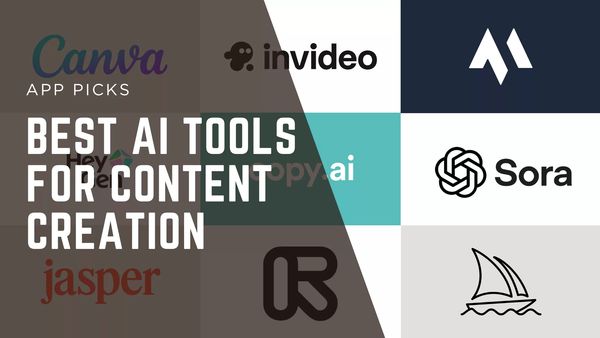
Pippt AI excels in converting presentations and scripts into visually appealing video formats. It’s user-friendly, making it perfect for marketers and educators alike.
Claude offers advanced features for script analysis and scene generation. Its ability to understand context ensures that your videos remain coherent and captivating.
OpenAI Sora stands out with its natural language processing capabilities, enabling seamless voiceovers alongside animated visuals tailored from your text.
Invideo AI shines for its vast library of templates, streamlining the video creation process while allowing extensive customization options that fit any brand identity.
Canva Ai integrates design elements easily. Users can craft stunning videos with minimal effort by using pre-set graphics that enhance storytelling through visual appeal.
Step-by-Step Guide on How to Use These Tools
Getting started with AI video tools is straightforward. First, choose your preferred platform from our top picks like Pippt Ai or Invideo ai.
Once you’ve signed up, familiarize yourself with the dashboard. Most tools have an intuitive interface designed for ease of use.
Next, input your text. You can either type directly or upload a document. These platforms typically allow you to edit and format the text to suit your vision.
After that, select visuals and audio options. Many offer libraries filled with stock images and music tracks that complement your content perfectly.
Preview your video before finalizing it. This step helps in making necessary adjustments to ensure everything flows smoothly.
Export and share! Once satisfied with the result, download it or share directly on social media platforms for wider reach.
Success Stories from Businesses Who Have Utilized These Tools
Many businesses have successfully harnessed AI tools to transform their marketing strategies. Take a small e-commerce brand, for example. Using Pippt AI, they created engaging promotional videos from product descriptions. The result? A noticeable uptick in conversion rates.
Startups are also reaping the benefits. One tech company employed OpenAI Sora to generate video content that simplified complex software features. This not only educated potential users but boosted user engagement significantly.
In another instance, a non-profit organization utilized Canva Ai to produce heartwarming stories of their beneficiaries. These videos resonated with audiences and increased donations substantially.
Even established brands aren’t left behind; InVideo AI helped one major retailer create seasonal ads quickly and efficiently, allowing them to stay ahead in a competitive market without sacrificing quality or creativity.
Potential Future Developments in AI Video Creation Technology
The future of AI video creation is brimming with exciting possibilities. As technology evolves, we can expect enhanced algorithms that understand context and emotion better. This could lead to more engaging and personalized content.
Imagine a tool that automatically adjusts visuals based on the viewer’s preferences or mood. Such innovation would create immersive experiences tailored specifically for each user.
Moreover, advancements in natural language processing may enable AI tools to generate scripts with deeper narratives. This will not only make videos more captivating but also drive higher engagement rates.
Integration with virtual reality (VR) and augmented reality (AR) might transform how we consume video content altogether. Picture interactive videos where audiences can choose their paths within a story—this is just around the corner.
Collaboration between various AI platforms could further streamline production workflows, making high-quality video accessible to everyone, regardless of skill level or resources.
Conclusion: The Impact of AI in the Future of Video Production
The landscape of video production is undergoing a seismic shift thanks to AI technology. As tools evolve, they are democratizing content creation for everyone, regardless of technical skill.
Imagine transforming scripts into engaging videos with just a few clicks. This level of accessibility opens doors for businesses and creators alike, enabling them to produce high-quality visuals at scale.
With continual advancements in machine learning and natural language processing, AI tools will only become more intuitive. They will anticipate user needs and streamline workflows even further.
As these technologies integrate deeper into the creative process, we can expect an unprecedented explosion of diverse storytelling methods. The future promises not just efficiency but also innovation that challenges traditional boundaries in video production.
FAQ
What are AI tools that turn text into videos?
AI tools that convert text into videos use advanced algorithms to analyze written content and generate engaging video formats. They streamline the process of video creation by allowing users to input scripts or narratives, which the software then transforms into visual stories with animations, images, and voiceovers.
What are some recommended AI tools for this purpose?
Some of the best video AI options include Pippt Ai, Claude from OpenAI Sora, InVideo AI, and Canva Ai. Each tool has unique features tailored to different needs, making it essential to explore each one before deciding.
How can businesses benefit from using these tools?
Businesses can enhance their marketing strategies by quickly producing high-quality video content. This capability allows them to engage audiences more effectively and convey their messages in dynamic ways without needing extensive resources or expertise in traditional video production.
Are there any limitations with these AI tools?
While they offer convenience and speed, some limitations may arise regarding customization options or creative control. Users might also encounter challenges related to specific brand guidelines when relying solely on automated processes.
Can I try these tools for free?
Many platforms provide free trials or freemium models where you can test basic functionalities before committing financially. It’s a great way to determine if a particular tool meets your requirements without upfront investment.
Will future developments improve these technologies further?
Absolutely! As technology continues evolving at an impressive pace, we expect advancements in natural language processing and machine learning techniques will lead to even more sophisticated capabilities in AI-driven video production. This evolution could make creating stunning videos easier than ever before!
Curious about something else not covered here? Feel free to reach out!