


The world of ecommerce is evolving at lightning speed, and one thing has become crystal clear: video marketing is no longer just an option; it’s a necessity. As online shopping gains momentum, brands are scrambling to capture the attention of potential customers. Enter AI videos—a game-changing tool that not only enhances content but also drives sales.
Imagine transforming your product showcase into captivating visual stories using cutting-edge technology! Ecommerce brands are now leveraging artificial intelligence to create dynamic video content that resonates with their audience like never before. These tools streamline production processes while delivering high-quality visuals tailored for engagement.
Curious about how AI-driven videos can skyrocket your sales? Let’s dive deeper into this fascinating trend that’s reshaping the ecommerce landscape and discover why it might be time for you to hop on this exciting bandwagon.
The Rise of Ecommerce and the Importance of Video Marketing
Ecommerce is booming, with online shopping becoming a staple for consumers worldwide. This growth reflects changing habits and an increasing reliance on digital platforms.
As more brands enter the market, standing out has never been more critical. Enter video marketing—a powerful tool that captures attention in an oversaturated environment. Statistics show that people prefer watching videos over reading text, making this format essential for engaging potential customers.
Video content allows brands to showcase products dynamically and creatively. It brings items to life, showcasing features and benefits in ways static images simply cannot achieve.
Moreover, video builds trust through storytelling and authentic connections. Consumers feel more informed when they can see a product in action or hear from satisfied buyers.
In this fast-paced marketplace, the importance of integrating effective video strategies into ecommerce can’t be overstated.

What is AI Technology and How Can it Enhance Video Content?
AI technology refers to the simulation of human intelligence processes by machines. This includes learning, reasoning, and self-correction. In recent years, it has transformed how we create and consume video content.
When it comes to videos, AI can automate editing tasks that once took hours. It analyzes footage quickly and highlights key moments seamlessly. This boosts efficiency for brands aiming for dynamic marketing strategies.
Additionally, AI tools like Pippt Ai enable personalized video experiences tailored to individual viewer preferences. By understanding viewers’ behavior patterns, these tools help deliver targeted messages that resonate more deeply with audiences.
Moreover, AI-driven analytics provide insights into engagement metrics. Brands can track what works best in real-time and adjust their strategy accordingly. With enhanced visualization techniques powered by AI automation, even complex data becomes digestible through compelling visuals.
The potential is vast as eCommerce brands harness these technologies to elevate their storytelling capabilities while driving sales growth effectively.
Case Studies: Success Stories of Ecommerce Brands Using AI Videos
One standout example is a leading fashion retailer that integrated AI videos into their online campaigns. By using personalized video content, they showcased outfits tailored to individual customer preferences. This approach led to a remarkable 30% increase in conversion rates.
Another success story comes from an electronics brand that harnessed AI tools for product demos. The interactive and visually appealing videos highlighted features in real-time, making complex specifications easier to understand. As a result, customer engagement surged by 50%.
A beauty brand also tapped into the power of AI-generated tutorials. These informative clips not only educated customers but also drove traffic significantly, culminating in higher sales during seasonal promotions.
These cases illustrate how ecommerce brands can effectively leverage AI video technology to boost sales and enhance customer experiences across various industries.
Implementing AI Videos in Your Ecommerce Strategy
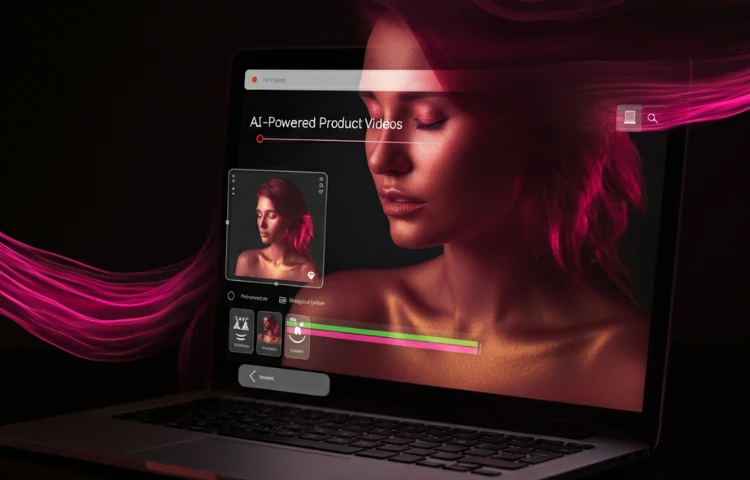
Integrating AI videos into your ecommerce strategy can transform how you engage customers. Start by identifying key areas where video content can enhance the shopping experience.
Consider product demos or tutorials that showcase features and benefits. These videos help potential buyers understand your products better, leading to informed purchasing decisions.
Utilize personalization tools powered by AI to tailor content for individual users. This approach increases viewer retention and encourages conversions.
Incorporate chatbots alongside your videos for real-time assistance. Customers appreciate instant responses while they watch, which keeps them engaged longer.
Don’t forget analytics. Track performance metrics like view rates and engagement levels to refine your video strategy over time.
Experimenting with different styles of AI-generated content will reveal what resonates best with your audience, ensuring you’re always a step ahead in the competitive ecommerce landscape.
The Future of AI Videos in Ecommerce
The future of AI videos in ecommerce is brimming with potential. As technology evolves, brands will leverage advanced AI tools for more personalized content. Imagine videos that adapt to the viewer’s preferences in real-time.
Integration with augmented and virtual reality is on the horizon. This could allow customers to virtually try products before purchasing through immersive video experiences.
AI automation will streamline production processes too. Brands can create high-quality video ads faster than ever, reducing costs while maximizing output.
User-generated content powered by AI algorithms may rise as well, enabling consumers to contribute their own video reviews effortlessly.
With enhanced analytics capabilities, businesses can track viewer engagement like never before. This data-driven approach will refine marketing strategies at unprecedented speeds and accuracy.
As these technologies mature, staying ahead of trends will be crucial for ecommerce success in a rapidly changing landscape.

Potential Challenges and Limitations of AI Videos
While AI videos offer remarkable potential, they’re not without challenges. One significant limitation is the quality of content produced. Although advancements have been made, some AI tools may struggle to capture nuances in voice and emotion that resonate with audiences.
Another challenge lies in creative control. Brands might find themselves constrained by the capabilities of an AI tool. Customization options can be limited, which might stifle creativity and brand identity.
Additionally, there’s a learning curve associated with implementing new technology. Teams must adapt to using these tools effectively for optimal results.
Ethical concerns around automation persist. Relying heavily on AI could lead to authenticity issues or disconnection from human elements that many consumers value in marketing today. Balancing automation with genuine engagement remains crucial for brands navigating this evolving landscape.
Conclusion: Why Every Ecommerce Brand Should Consider Using AI Videos for Sales Growth
AI videos have become a game changer for ecommerce brands looking to boost sales. They offer a dynamic way to engage customers, showcasing products in an immersive manner.
With the rise of online shopping, integrating video content is no longer optional but essential. Consumers crave visual experiences that help them make informed buying decisions.
Utilizing AI technology can streamline the creation process and personalize content at scale. It allows brands to tailor messages based on customer preferences, increasing relevance and connection.
Moreover, as consumers continue to seek convenience and quick information, AI-driven videos cater perfectly to these needs. They’re not just entertaining; they convert viewers into buyers effectively.
Embracing this innovative approach positions ecommerce businesses at the forefront of their industry. Ignoring it might mean falling behind competitors who are already capitalizing on this powerful tool.
FAQ
As ecommerce continues to evolve, the integration of AI technologies is becoming increasingly pivotal. Brands that harness video content through sophisticated AI tools are not only staying ahead of trends but also significantly boosting their sales. The ability to create personalized and engaging videos can set a brand apart in a saturated market.
When considering your own ecommerce strategy, it’s vital to explore how you can implement these innovative solutions. Whether it’s leveraging platforms like Pippt Ai or exploring various AI automation web tools, there’s an array of resources available at different price points under AI subscriptions tailored for every budget.
While there are challenges associated with adopting new technologies, the potential benefits far outweigh them. Ecommerce brands must stay agile and open to using video-driven strategies powered by AI for sustained growth.
FAQ
What exactly is an AI tool?
An AI tool utilizes artificial intelligence algorithms to automate tasks or enhance processes across various sectors, including ecommerce.
How do I choose the best Ai tools in 2026?
Look for features that align with your business goals, user reviews on performance and reliability, pricing structures that fit your budget, and scalability options as your business grows.
Can all ecommerce brands benefit from Video Ai?
Yes! Regardless of size or industry niche within e-commerce, implementing Video Ai can help engage customers more effectively and boost conversions.
What are some top examples of Ecommerce Ai tools?
Tools like Pippt Ai provide intuitive platforms specifically designed for enhancing video marketing efforts among online retailers while others offer broader functionalities across different facets of digital operations.
Are there any limitations when using AI videos?
While they offer numerous advantages such as efficiency and personalization capabilities, businesses may face hurdles regarding initial setup costs or learning curves associated with new technology integrations.