
How We Support Our Journalism
LuxuryCoordinates is reader-supported. Some articles may contain carefully selected affiliate recommendations for travel services, hotels, loyalty programs, and products we genuinely believe provide value.
If you choose to purchase through these links, we may earn a commission at no additional cost to you. These partnerships help us continue producing premium travel content, destination guides, and luxury travel insights.
- Importance of Having a Professional-Looking Portfolio Website
- Top 5 Elements of a Successful Portfolio Website Design
- Examples and Analysis of Successful Portfolio Website Designs
- Tips for Creating Your Own Effective Portfolio Website Design
- Tools and Resources for Designing a Stunning Portfolio Website
- Conclusion and Final Thoughts
- FAQs
In today’s competitive market, having a standout portfolio website is essential for attracting high-paying clients. Your portfolio isn’t just a collection of your work; it’s an extension of your brand and personality. It showcases your skills, creativity, and professionalism all in one place. With the right design elements, you can create an online presence that not only grabs attention but also converts visitors into loyal clients.
Whether you’re a designer, photographer, or freelance writer, investing time in curating an impressive portfolio website will pay off in spades. A polished site communicates trustworthiness and expertise—qualities that high-paying clients seek when choosing someone to bring their visions to life.
As we dive deeper into the best practices for creating effective portfolio websites using platforms like Squarespace, you’ll discover key features that can elevate your online showcase and make it irresistible to potential clients. Let’s explore what makes a successful design stand out from the crowd!
Build a Portfolio That Attracts Premium Clients
Create a professional portfolio website with Squarespace’s designer templates, built-in SEO tools, and customizable layouts designed to showcase your best work.
Start Your Squarespace PortfolioImportance of Having a Professional-Looking Portfolio Website
A professional-looking portfolio website is essential in today’s competitive landscape. It serves as your digital business card, showcasing your skills and talents.
First impressions matter immensely. A polished design can captivate potential clients instantly. If the layout is cluttered or outdated, visitors may navigate away before exploring your work.
Your portfolio reflects not only what you do but how you approach your craft. Consistent branding and thoughtful aesthetics convey professionalism and attention to detail.
Moreover, a well-structured site enhances user experience. Visitors should easily find information about services offered, project showcases, and contact details without frustration.
Search engine optimization plays a role in visibility. An optimized portfolio can attract high-paying clients actively seeking expertise like yours on platforms such as Squarespace, making it easier for them to discover you amidst the crowded market.
Top 5 Elements of a Successful Portfolio Website Design

A successful portfolio website design hinges on a few key elements that capture attention and showcase talent effectively.
First, visual appeal matters. Use high-quality images and a cohesive color palette to create an inviting atmosphere. This sets the stage for your work.
Next, clear navigation is essential. Ensure visitors can easily find what they’re looking for with well-organized menus and intuitive layout choices.
Another important aspect is responsive design. Your site should look great on any device, whether it’s a mobile phone or desktop computer. A seamless experience keeps users engaged.
Don’t overlook prominent calls-to-action (CTAs). Guide potential clients toward contacting you or viewing your services directly with clear prompts throughout the site.
Include testimonials or case studies. Real feedback builds credibility and helps establish trust with prospective high-paying clients who seek assurance before making decisions.
Launch a Client-Winning Portfolio in Hours
Skip complicated website builders. Squarespace gives freelancers, designers, photographers, and creatives everything needed to build a polished portfolio without coding.
- ✓ Award-winning templates
- ✓ Mobile-optimized designs
- ✓ Built-in SEO features
- ✓ Easy drag-and-drop editing
Examples and Analysis of Successful Portfolio Website Designs
One standout example is the portfolio of designer Adham Dannaway. His site features a clean layout with striking visuals, allowing his work to shine. The use of bold colors and unique typography effectively communicates his personal brand.
Another impressive case is that of photographer Annie Leibovitz. Her website showcases stunning imagery in a minimalist format, drawing visitors into her world. Each project tells a story, making it easy for potential clients to grasp her artistic vision.
Then there’s the graphic design duo at Grit & Virtue. Their portfolio utilizes dynamic animations and seamless transitions, creating an engaging browsing experience. This modern approach resonates with tech-savvy clients looking for innovation.
Check out web developer Ryan Fitzpatrick’s site. He combines simple navigation with detailed case studies that highlight successful projects—all crucial elements for attracting high-paying clients seeking expertise and professionalism.
Tips for Creating Your Own Effective Portfolio Website Design
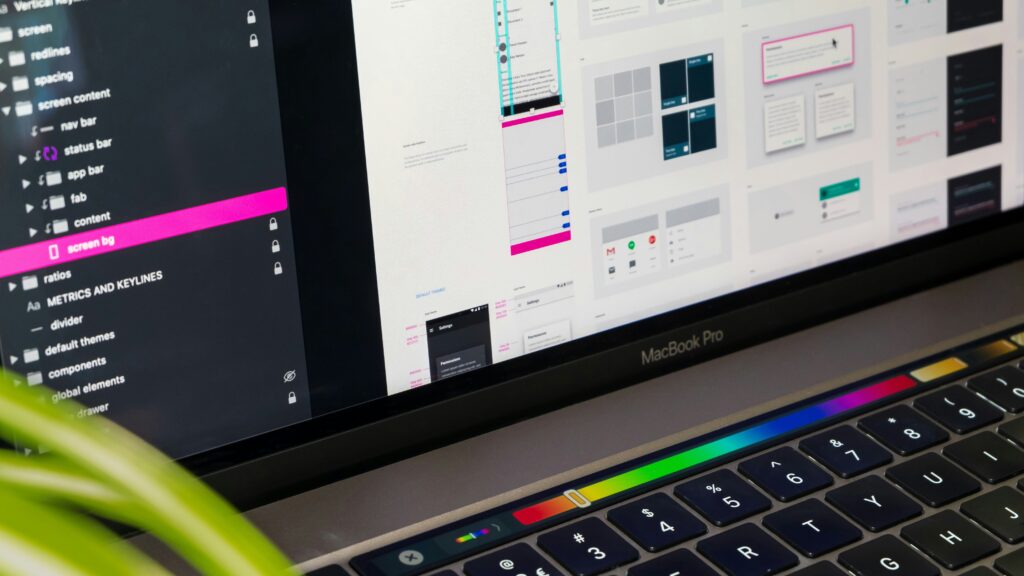
Start with a clean layout. A clutter-free design allows your work to stand out. Use white space effectively to guide the viewer’s eye.
Choose a cohesive color palette that reflects your brand. Stick to two or three main colors for consistency across pages.
Typography matters. Select fonts that are easy to read and match your style, whether that’s modern, classic, or playful.
Optimize images for quick loading times without sacrificing quality. High-resolution visuals will showcase your work but ensure they don’t slow down the user experience.
Implement clear navigation. Visitors should find what they’re looking for effortlessly; use intuitive links and labels.
Include calls-to-action throughout your site, encouraging visitors to reach out or explore more of your work while guiding them through their journey on the site.
Regularly update content to keep it fresh and relevant; this also signals dedication and professionalism in attracting high-paying clients.
Tools and Resources for Designing a Stunning Portfolio Website
Creating a stunning portfolio website requires the right tools and resources. One excellent choice is Squarespace, known for its beautiful templates and user-friendly interface. It allows you to customize your site without needing coding skills.
For those who prefer more flexibility, Adobe XD offers robust design features. You can prototype your layout before bringing it online. Pair that with Canva for eye-catching graphics, ensuring every image enhances your brand.
Don’t overlook stock photo websites like Unsplash or Pexels. High-quality visuals make a significant impact on first impressions.
Additionally, Google Fonts provides an array of typography options to elevate your text style. A cohesive look helps maintain professionalism throughout your site.
Consider using analytics tools like Google Analytics to track visitor behavior. Understanding how users interact with your site can guide future improvements and attract high-paying clients more effectively.
Conclusion and Final Thoughts on the Impact of a Well-Designed Portfolio Website

A well-designed portfolio website can be a game changer. It serves as your digital handshake, making an immediate impression on potential high-paying clients.
When the design is sleek and professional, it reflects your brand’s quality and values. Clients are more likely to trust you with their projects when they see a polished presentation of your work.
Moreover, a compelling website showcases not only what you’ve done but also how you think and create. This storytelling aspect engages visitors on a deeper level.
Additionally, investment in aesthetics pays off. High-paying clients often seek those who understand the importance of first impressions and attention to detail.
A stunning portfolio built on platforms like Squarespace can set you apart in a crowded marketplace, drawing in opportunities that resonate with your skills and aspirations.
FAQs
Your portfolio should include your best work, case studies, client testimonials, services, about section, and clear contact information to attract premium clients.
A significant percentage of visitors browse on mobile devices. A responsive website ensures a seamless user experience and improves conversion rates.
Yes. Squarespace offers modern templates, drag-and-drop editing, built-in SEO tools, and professional design features ideal for freelancers and creatives.
Update your portfolio whenever you complete noteworthy projects. At minimum, review and refresh your content every few months.
Absolutely. SEO helps potential clients discover your website through search engines, increasing visibility and lead generation opportunities.