

Are you dreaming of a road trip through the picturesque landscapes of France? Imagine cruising along sun-kissed coasts, winding through charming villages, and savoring delicious cuisine all at your own pace. Traveling to France by ferry with your car is an adventure that opens up a world of possibilities. Whether you’re heading to the enchanting Corsica island or planning a mainland exploration, bringing your vehicle allows for ultimate freedom. In this guide, we’ll dive into everything you need to know about ferry travel to France—ensuring your journey is seamless and enjoyable from start to finish. Buckle up and get ready for tips on routes, operators, documents needed, driving rules in France, pet travel advice, and more!
Why Travel to France by Ferry with Your Car?
Traveling to France by ferry with your car offers a unique blend of convenience and adventure. Imagine boarding a vessel, watching the waves lap against the hull while you prepare for your journey. It’s not just about getting from point A to B; it’s part of the experience.
Once you arrive, having your own vehicle means freedom. You can explore hidden gems off the beaten path that public transport might miss. Navigate through quaint villages or drive along scenic coastal routes at your leisure.
There’s also an element of comfort in taking your car. Pack everything you need without worrying about luggage restrictions or transfers. Whether it’s beach gear for Corsica island or picnic supplies for countryside stops, everything is right where you want it.
Plus, traveling by ferry is often more eco-friendly compared to flying—making it an appealing choice for conscientious travelers looking to minimize their carbon footprint while enjoying stunning scenery along the way.

Popular Ferry Routes to France
France offers a variety of ferry routes that cater to travelers looking for scenic journeys across the water. One of the most popular options is the route from Dover to Calais, which connects the UK directly with France. This short trip allows passengers to enjoy stunning views while easily accessing mainland Europe.
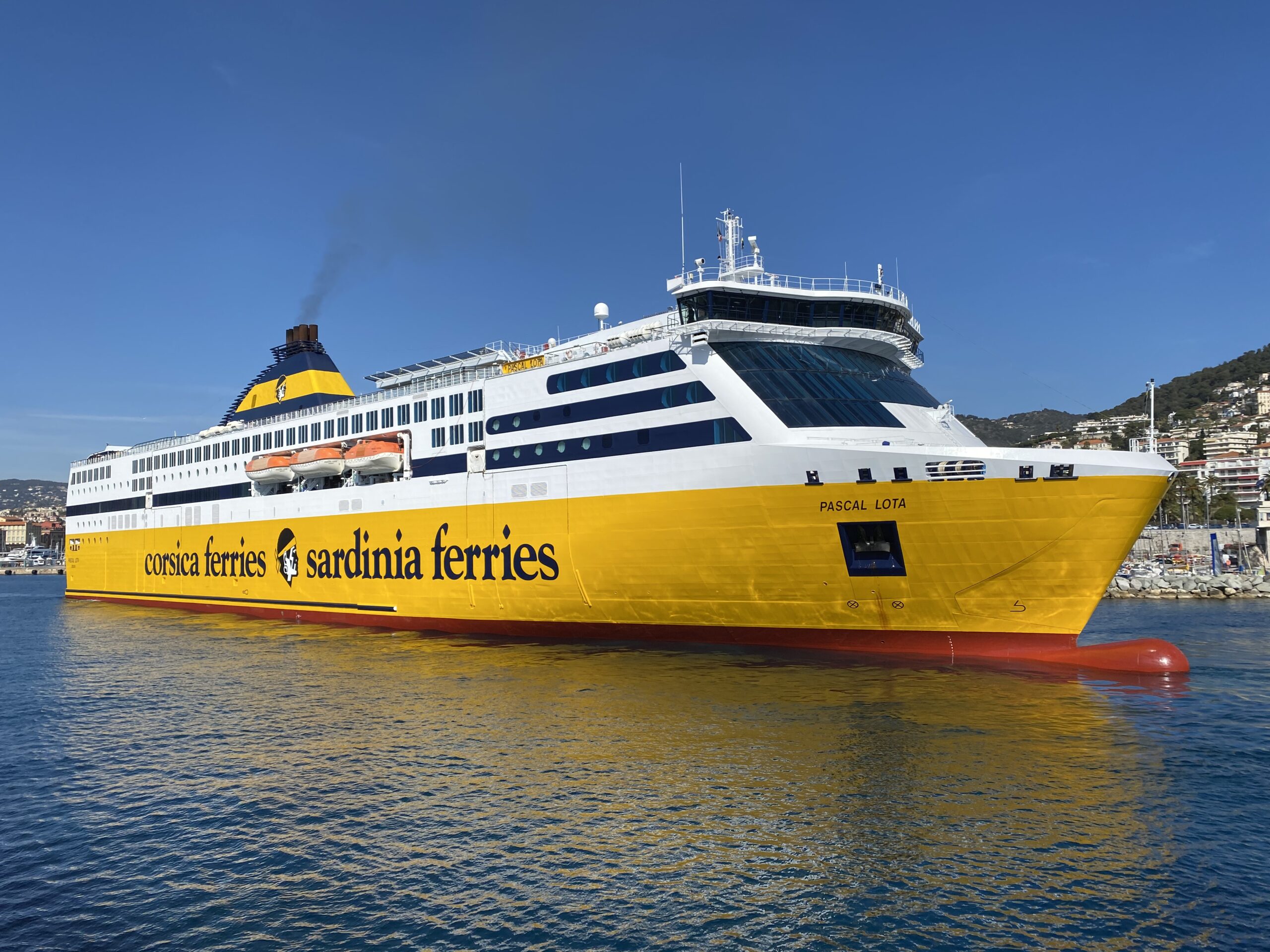
For those headed toward Corsica, ferries from Nice and Toulon are essential. These trips provide not only transportation but also breathtaking glimpses of Mediterranean coastlines and islands along the way.
Travelers can also explore routes like Portsmouth to Caen or Plymouth to Roscoff. Both serve as gateways into beautiful regions rich in culture, history, and cuisine.
Each ferry operator often has unique features that enhance your travel experience, including onboard dining and entertainment options. Planning ahead ensures you choose the best option for your journey across these picturesque waters.
Choosing the Right Ferry Operator
Selecting the right ferry operator can make all the difference in your journey to France. With numerous options available, it’s essential to do a little research before booking.
Start by comparing schedules and routes. Some operators offer direct services to popular destinations like Corsica Island with car access, while others may require transfers.
Check customer reviews too. Feedback from fellow travelers can provide insights into comfort levels and service quality.
Another crucial factor is pricing; some companies might have hidden fees that affect your budget. Look for transparent pricing structures that clearly outline costs associated with ferry booking.
Also consider onboard amenities if you’ll be spending several hours at sea. Facilities such as restaurants or lounges can enhance your travel experience significantly.
Verify cancellation policies just in case plans change unexpectedly. This will give you peace of mind while planning your adventure.
What Documents Do You Need?
When preparing for your ferry travel to France, having the right documents is crucial. First and foremost, ensure you have a valid passport or national ID card. This will be checked during boarding.
Next, don’t forget your vehicle documents. You’ll need your vehicle registration certificate and proof of insurance that covers driving in Europe. It’s wise to carry a copy of these documents just in case.
If you’re traveling with pets, make sure they have their pet passports and vaccination records handy. These are essential for compliance with health regulations.
Consider bringing an international driving permit if your license isn’t issued in English or French. It can ease communication with local authorities if needed. Having all these documents organized will help ensure smooth sailing on your journey across the waters to France!
French Driving Rules You Should Know
Driving in France offers a unique experience, but it comes with specific rules you need to follow. Speed limits are strictly enforced. On highways, the limit is usually 130 km/h (about 81 mph), while on rural roads, it’s often reduced to 80 km/h (50 mph).
Roundabouts can be tricky for newcomers. Remember to give way to traffic already circulating within the roundabout. This rule helps maintain smooth flow and reduces congestion.
Seat belts are mandatory for all passengers. Fines await those who neglect this simple safety measure.
Also, keep an eye out for breathalyzer tests; police conduct random checks throughout the country. Having a personal breathalyzer in your car is required by law.
Familiarize yourself with toll systems if you’re driving on French motorways many routes require payment at toll booths or via electronic tags.
Traveling with Pets
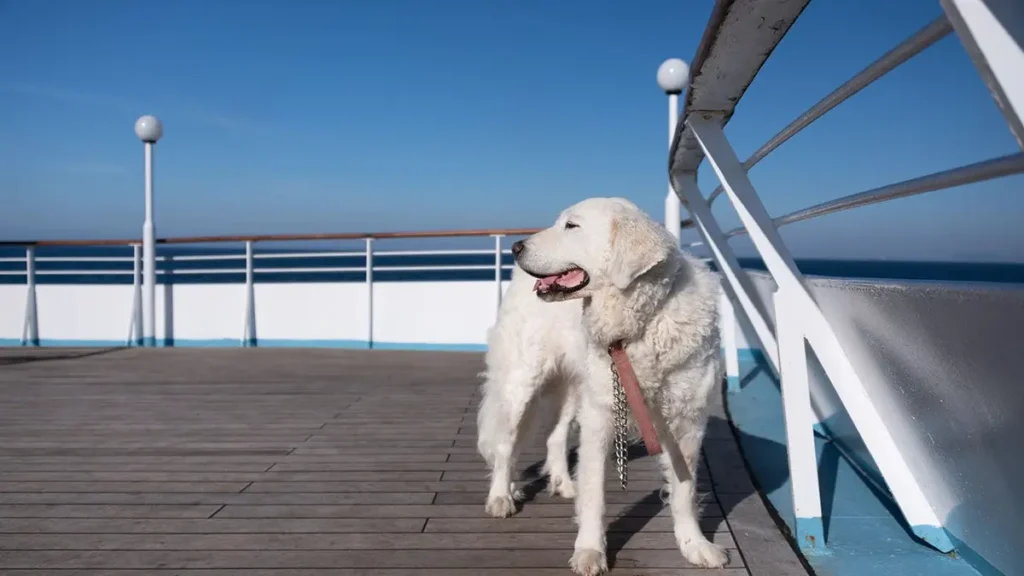
Traveling with pets can be a rewarding experience, especially when you’re heading to the beautiful landscapes of France. Many ferry operators welcome furry companions, but it’s essential to plan ahead.
Before you set sail, check specific pet policies for your chosen ferry operator. Some allow pets in cabins; others may require them to stay in designated areas during the journey.
Make sure your pet is comfortable and has everything they need food, water, and toys. A familiar blanket can help ease any anxiety during travel.
Health regulations also apply. Ensure your pet is microchipped and vaccinated according to EU requirements if you’re coming from outside Europe. Carry relevant documentation with you at all times.
Also consider booking a cabin that accommodates pets for added comfort. This way, both you and your four-legged friend can enjoy the crossing together without stress or worry.
Book early for the best prices
Booking your ferry early can significantly reduce travel costs. Prices tend to rise as the departure date approaches. Waiting until the last minute may leave you with limited options and higher fares.
By securing your spot in advance, you also gain peace of mind. You’ll know exactly when you’re traveling and can plan your journey accordingly.
Many operators offer promotions or discounts for early bookings, making it even more economical to reserve sooner rather than later.
If you’re eyeing a popular route like Corsica ferries during peak season, booking ahead is essential to ensure availability for both passengers and vehicles.
Remember that flexible dates might lead to better deals too. It’s worth checking various days around your preferred travel time for potentially lower prices on France ferry booking platforms.