

Introduction to Etsy and Shopify
Starting an online business is an exciting journey, filled with endless possibilities. But before you dive in, there’s a crucial decision to make: which e-commerce platform will best serve your needs? Two of the most popular contenders are Etsy and Shopify. Both platforms offer unique advantages that cater to different types of entrepreneurs. Whether you’re selling handmade crafts or running a dropshipping venture, understanding the strengths and weaknesses of each can shape your success.
In this article, we’ll explore what Etsy and Shopify have to offer for your business. We’ll dissect their pros and cons, compare features, pricing, customer support, and share inspiring success stories from real users. Ready to embark on your online adventure? Let’s find out if Etsy or Shopify is the perfect fit for you!
Pros and Cons of Using Etsy for Your Business
Etsy is a vibrant marketplace known for its handmade, vintage, and unique goods. One of the biggest advantages is its built-in audience. With millions of active buyers, you can easily tap into a community eager to discover your products.
The platform also offers user-friendly tools for listing items and managing sales. This makes it simple for newcomers to start their online business without extensive tech knowledge.
However, Etsy does come with limitations. Listing fees and transaction costs can add up quickly, affecting your profit margins. Additionally, competition among sellers is fierce; standing out may require extra effort in marketing.
Another drawback includes limited customization options compared to standalone platforms like Shopify. You might find the constraints frustrating if you’re looking to establish a distinct brand identity.
Pros and Cons of Using Shopify for Your Business
Shopify is a powerful e-commerce platform that caters to various business needs. One of its major advantages is the flexibility it offers in terms of design and functionality. Users can choose from countless themes and apps, allowing for a highly customized store experience.
Another strong point is Shopify’s ease of use. Even those without technical skills can set up an online store quickly. The built-in tools simplify inventory management, payment processing, and shipping logistics.
However, there are downsides to consider. Transaction fees can add up if you’re not using Shopify Payments, which could impact your profit margins over time. Additionally, while the monthly subscription provides necessary features, some users may find certain advanced functionalities locked behind higher pricing tiers.
For businesses looking for scalability and growth potential, Shopify presents both opportunities and challenges worth evaluating closely.
Which Platform is Better for Handmade Products?
Etsy shines brightly when it comes to handmade products. It’s a marketplace specifically designed for artisans and crafters, allowing sellers to connect with customers who appreciate unique, handcrafted items.
The platform offers a vibrant community where buyers seek one-of-a-kind pieces. As a seller, you can showcase your creativity and build a loyal following.
However, Shopify provides more flexibility if you want to expand beyond simply selling handmade goods. You have complete control over branding, design, and product range. This makes it easier to scale your business in the long run.
If you’re focused solely on handcrafted creations and building an artistic brand identity, Etsy may be the way forward. But for those looking at broader e-commerce strategies or dropshipping options in addition to handmade products, Shopify stands out as a versatile alternative. Each option has its merits based on your specific goals and vision for your online business journey.
Which Platform is Better for Dropshipping?
When it comes to dropshipping, Shopify takes the lead. Its robust features allow sellers to easily integrate with various suppliers and manage inventory efficiently. You can automate many processes, making it easier to focus on marketing and customer engagement.
Etsy, while a fantastic platform for handmade goods, isn’t tailored for the dropshipping model. The emphasis is on unique products crafted by individuals rather than mass-produced items from third-party vendors. This limits your ability to scale in the same way that Shopify does.
Shopify also offers numerous apps designed specifically for dropshippers. These tools help streamline order fulfillment and enhance product listings without much hassle.
If you’re serious about building an online business around dropshipping, Shopify provides flexibility and scalability that Etsy simply can’t match.
Pricing Comparison: Etsy vs. Shopify
When it comes to pricing, Etsy and Shopify offer distinct models that cater to different types of sellers.
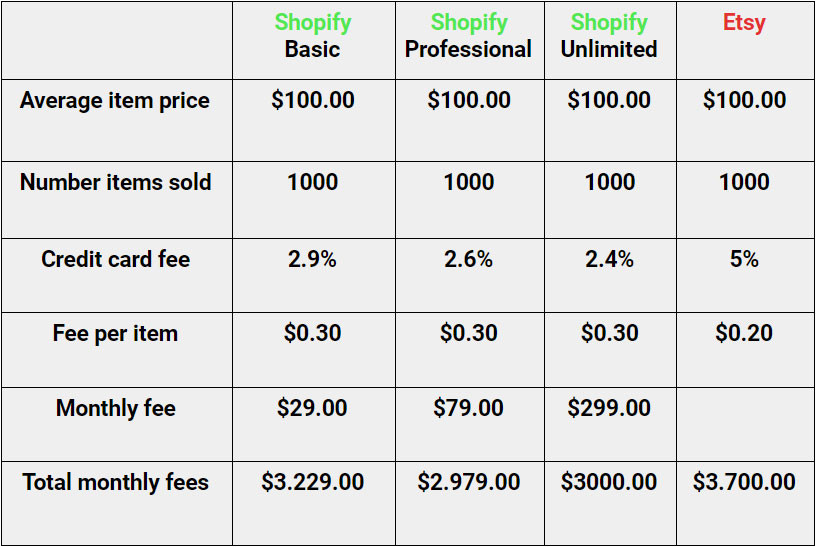
Etsy charges listing fees, which are $0.20 per item you want to sell. They also take a 5% transaction fee on each sale and a payment processing fee that varies by country. This can add up quickly if you’re selling many products.
On the other hand, Shopify operates on a subscription model with plans starting at $29 per month. You won’t face listing fees here; instead, you’ll pay transaction fees unless you use Shopify Payments as your gateway. The monthly cost provides access to various features designed for online growth.
Both platforms have ongoing costs beyond initial pricing. It’s essential to assess how these costs align with your business goals before making a choice.
Features Comparison: Etsy vs. Shopify
When exploring Etsy and Shopify, the features they offer can significantly impact your online business.
Etsy shines with its user-friendly interface tailored for handmade and vintage items. It provides built-in marketing tools like promoted listings and social media integration, making it easy to reach potential customers.
Shopify, on the other hand, is a robust platform designed for scalability. It offers extensive customization options through themes and apps. You can create a unique storefront that aligns perfectly with your brand’s vision.
Etsy has limited payment processing options compared to Shopify’s range of gateways. This flexibility allows Shopify users to cater to diverse customer preferences.
Inventory management varies too; while Etsy handles basic needs well, Shopify excels in more complex inventory solutions for larger stores or multi-channel selling.
Consider what specific features align best with your business goals when choosing between these two platforms.
Customer Support Comparison: Etsy vs. Shopify
When it comes to customer support, Etsy and Shopify take different approaches. Etsy offers a help center packed with articles and FAQs. Their community forums can be a real asset for sellers seeking advice from experienced peers.
However, direct assistance via email or chat is somewhat limited on Etsy. Sellers often find themselves navigating through self-help options before reaching out to support.
On the other hand, Shopify provides 24/7 customer service through various channels including live chat, phone calls, and email. This accessibility makes it easier for users needing immediate assistance.
Shopify also offers extensive documentation and tutorials tailored specifically for entrepreneurs looking to grow their online business. The resources available can guide you at every step of your journey on their platform.
For businesses that prioritize robust support, evaluating these differences is crucial when deciding between the two platforms.
Success Stories from Businesses on Etsy and Shopify
Many entrepreneurs have found their niche on Etsy, turning passion into profit. Take the story of a jewelry maker who started with a modest shop selling handmade bracelets. With dedication and unique designs, her brand flourished. Now, she sells thousands of pieces each year and has garnered a loyal customer base.
On the other hand, Shopify has been a game-changer for small-scale dropshippers. One such success is an online store that specializes in eco-friendly products. Utilizing Shopify’s robust features, this business owner streamlined inventory management and marketing efforts. Today, their revenue continues to soar as they reach customers worldwide.
Both platforms provide incredible opportunities for growth but cater to different audiences and products. Each success story illustrates how effective e-commerce strategies can lead to thriving online businesses in various niches.
Conclusion: Which Platform is Right for You?
Choosing between Etsy and Shopify ultimately depends on your specific business needs and goals. If you’re focusing on handmade products or unique crafts, Etsy provides a vibrant marketplace filled with like-minded buyers. Its community-driven approach allows you to connect directly with customers who appreciate artisanal goods.
On the other hand, if you’re aiming for more control over branding, design, and scalability, Shopify might be the right fit. This platform offers robust features that can support diverse online businesses—from dropshipping ventures to established brands looking for customization.
Consider your product type, target audience, and desired level of involvement in the e-commerce process when making this choice. Both platforms come with their distinct advantages and challenges. It’s essential to evaluate what aligns best with your vision for an online business.
Remember that each journey is unique; take time to explore both options before diving in. Whether you choose to try Etsy for free or embark on a trial run of Shopify’s offerings, there’s ample opportunity ahead as long as you remain committed to crafting an engaging shopping experience for your customers.