


- What Is a Content Gap in SEO?
- Why Traditional Content Gap Analysis Can Be Time-Consuming
- How AI Can Make Content Gap Analysis More Efficient
- How to Identify Content Gaps With AI
- Use Competitor Content to Discover Untapped Topics
- Use AI to Find Keyword Opportunities You May Have Missed
- How to Prioritize the Content Gaps Worth Pursuing
- Turn Content Gaps Into a Search-Focused Content Plan
- SEO Tools That Can Help With AI-Powered Content Research
- Common Mistakes to Avoid When Using AI for Content Gap Analysis
- Final Thoughts: Using AI to Find Better Content Opportunities
In the fast-paced world of SEO, staying ahead of the competition is crucial. One effective way to carve out your niche is by identifying content gaps those missed opportunities where valuable information could be created or improved upon. However, traditional methods for uncovering these gaps can feel like searching for a needle in a haystack. That’s where artificial intelligence steps into the spotlight.
With AI content gap analysis tools, you can streamline your research and discover untapped topics that resonate with your audience. These advanced technologies leverage data-driven insights to help marketers navigate their strategies more efficiently than ever before. Imagine having access to competitor insights at lightning speed while unearthing keyword opportunities you may have overlooked!
Let’s dive into how AI-powered solutions can revolutionize your approach to SEO and make finding those golden content gaps not just easier but also much more impactful.
What Is a Content Gap in SEO?
A content gap in SEO refers to the disparity between what users are searching for and the content currently available on your website. It highlights topics or questions that remain unanswered, giving you a chance to create valuable material.
Identifying these gaps can significantly enhance your site’s relevance and authority. When potential visitors find that their queries aren’t met with satisfactory answers, they often turn elsewhere.
By addressing these missed opportunities, you not only cater to user intent but also improve your chances of ranking higher in search results. This process involves analyzing competitors’ offerings and examining keyword performance.
Understanding where these gaps exist empowers marketers to craft targeted strategies that resonate with audiences while boosting organic traffic over time.
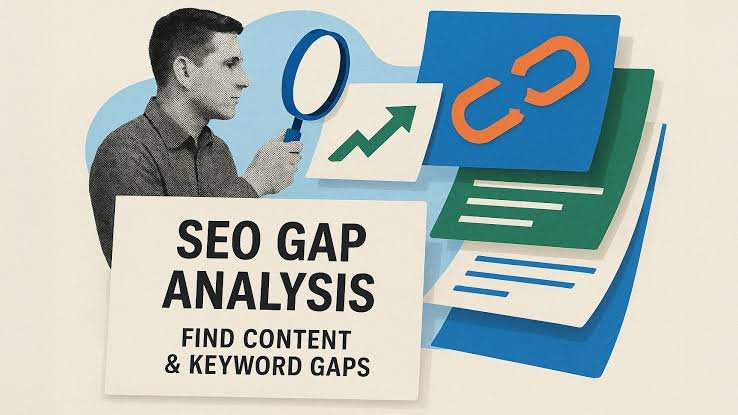
Why Traditional Content Gap Analysis Can Be Time-Consuming
Traditional content gap analysis often involves painstaking research. Marketers sift through mountains of data, comparing their existing content with competitors’. This process can eat up hours or even days.
Manually identifying what’s missing requires a fine-toothed comb approach. You need to analyze keyword rankings, assess audience intent, and evaluate the performance of competitor articles all while keeping an eye on ever-changing trends.
Moreover, pulling insights from multiple sources complicates things further. Spreadsheets filled with numbers and notes become overwhelming quickly. It’s easy for valuable opportunities to slip through the cracks in such a cluttered environment.
The sheer volume of information demands both focus and time that most marketers simply don’t have. As businesses rush to produce high-quality content quickly, relying on traditional methods leaves them vulnerable to missed chances in an increasingly competitive landscape.
How AI Can Make Content Gap Analysis More Efficient
AI revolutionizes content gap analysis by automating tedious tasks. Instead of manually sifting through data, marketers can leverage AI tools to identify missing topics and subtopics. This speeds up the process significantly.
Advanced algorithms analyze vast amounts of content quickly. They highlight what competitors cover extensively while revealing areas you may have overlooked. With this insight, it becomes easier to adjust your strategy accordingly.
Additionally, AI continuously learns from user interactions and trends. This means recommendations become more refined over time, ensuring that your content remains relevant and competitive in search rankings.
Utilizing these insights allows for better resource allocation too. Marketers can focus on high-potential gaps rather than chasing every topic blindly. By integrating AI into your workflow, you transform a traditionally cumbersome task into an efficient powerhouse for strategic growth.
How to Identify Content Gaps With AI
Identifying content gaps with AI begins by leveraging advanced tools that analyze existing content. Start with platforms like Semrush AI, which can evaluate your site and highlight areas lacking in depth or relevance.

Once you have the data, look for topics where competitors outperform you. Use SEO competitor analysis to spot keywords they rank for while you’re missing out. These insights are crucial as they reveal important subjects your audience is searching for but not finding on your site.
AI can also help cluster related topics together, uncovering themes that haven’t been fully explored yet. This clustering allows marketers to efficiently plan comprehensive pieces around these gaps.
Additionally, utilize machine learning models to assess user intent behind certain queries. Understanding what users truly seek helps refine content strategies and ensures alignment with audience needs.
Use Competitor Content to Discover Untapped Topics
Analyzing competitor content can unveil a wealth of untapped topics. By examining what others in your niche are covering, you can identify areas they may have overlooked.
Start by using tools like Semrush AI for comprehensive insights. These platforms allow you to see which articles perform best among competitors. Look closely at their top-performing pieces and the keywords driving traffic.

Consider the questions that remain unanswered or themes that lack depth within their content. This presents an opportunity for your brand to fill those gaps with high-quality, targeted articles.
Don’t forget to assess user engagement on competitors’ posts as well. Comments and shares reveal what resonates with audiences aim to provide even more value in your responses.
This approach not only helps in identifying fresh topics but also positions you as a thought leader ready to address audience needs effectively.
Use AI to Find Keyword Opportunities You May Have Missed
Keyword research can often feel like searching for a needle in a haystack. Traditional methods may leave you sifting through countless data points, but AI simplifies this process.
By leveraging advanced algorithms, AI tools analyze vast amounts of search data rapidly. They identify not only popular keywords but also long-tail opportunities that might fly under your radar.
These missed keywords could be the key to unlocking new traffic streams. Imagine tapping into niche markets or emerging trends before they become saturated.
With tools like Semrush’s AI capabilities, you can enhance your SEO strategy significantly. The insights gleaned from these analyses provide a clearer picture of what users are actively searching for allowing for more targeted content creation.
Utilizing AI for keyword opportunities transforms how marketers approach their content strategies and enhances overall visibility on search engines.

How to Prioritize the Content Gaps Worth Pursuing
When you’ve identified potential content gaps, the next step is prioritization. Not all gaps are created equal. Start by assessing the relevance of each gap to your audience’s needs.
Consider search volume as a key metric. Higher search volumes often indicate greater interest and potential traffic. Use tools like Semrush AI to gauge keyword trends effectively.

Next, evaluate competition within those topics. Analyze what competitors have done using SEO competitor analysis features in Semrush Analysis. If a gap has manageable competition but high demand, it’s worth pursuing.
Also think about alignment with your brand goals. Focus on areas that enhance your authority and connect with overall content strategy.
Factor in resources available for creating this content time, budget, and expertise should guide your decisions on which gaps can realistically be filled efficiently.
Turn Content Gaps Into a Search-Focused Content Plan
Once you’ve identified content gaps, the next step is crafting a search-focused content plan. Start by prioritizing these gaps based on their potential impact and relevance to your audience.
Map out topics that align with user intent. Think about what questions people are asking and how you can provide valuable answers through your content. This approach not only meets user needs but also enhances your SEO performance.
Leverage tools like Semrush AI to refine your strategy further. With insights from competitor analysis, you can tailor topics that set you apart in the crowded digital landscape.

Don’t forget to include keywords discovered during your AI content gap analysis. Integrate them seamlessly into engaging headlines and subheadings.
Establish a timeline for creation and publication. Consistent updates keep your site fresh and relevant while solidifying your authority in the niche.
SEO Tools That Can Help With AI-Powered Content Research
When diving into AI content gap analysis, having the right tools is crucial. Several platforms have emerged to streamline this process, making it easier for SEO marketers.
Semrush is a standout choice. Its AI capabilities allow users to analyze competitor strategies effectively. With the Semrush AI tool, you can discover untapped keywords and topics that your rivals may be overlooking.

Another powerful option is Ahrefs. This tool utilizes machine learning to provide insights into keyword opportunities and content gaps based on search intent.
MarketMuse also deserves mention; its AI-driven analytics help refine content quality by suggesting improvements tailored specifically for your audience’s needs.
Clearscope offers optimization suggestions powered by natural language processing. It ensures that your content not only fills gaps but resonates with readers as well.
Utilizing these tools will enhance your ability to conduct thorough SEO competitor analysis and curate focused content plans efficiently.
Common Mistakes to Avoid When Using AI for Content Gap Analysis
When utilizing AI for content gap analysis, it’s crucial to avoid over-reliance on automated tools. While AI can streamline processes, it’s essential to combine its insights with human expertise. Context matters in content creation.
Another common mistake is neglecting competitor analysis. Focusing solely on your site without examining what competitors are producing can lead you astray. Use SEO competitor analysis tools like Semrush to gain a broader perspective.

Ignoring the importance of keyword intent is also a pitfall. Not every keyword suggests the same user need, so filtering through this data thoughtfully helps refine your strategy.
Don’t rush into creating content based purely on AI suggestions. Take time to validate ideas and ensure they align with your audience’s interests and needs before hitting publish.
Final Thoughts: Using AI to Find Better Content Opportunities
As the digital landscape continues to evolve, leveraging AI for content gap analysis is no longer a luxury; it’s a necessity. By integrating tools like Semrush AI into your SEO strategy, you can uncover hidden opportunities that traditional methods might overlook. The ability to analyze competitor content and identify untapped topics gives marketers an edge in crafting relevant and engaging material.
AI for SEO streamlines the research process, enabling marketers to focus on creating high-quality content rather than getting bogged down by manual analyses. This efficiency allows teams to prioritize their efforts effectively, targeting the gaps that offer the most potential for traffic and engagement.
Remember to balance automation with human insight. While AI tools provide valuable data-driven recommendations, your unique perspective as a marketer is essential in shaping compelling narratives that resonate with your audience.
By embracing these technologies within your workflow, you’re not just keeping up with industry trends you’re setting yourself ahead of them. With each new piece of optimized content informed by solid gap analysis strategies, you’re building a more robust online presence that attracts visitors and converts them into loyal customers.
Frequently Asked Questions
Content gap analysis is the process of finding topics, questions, keywords, or search intents that your website has not adequately covered compared with what users and competing websites are offering.
AI can analyze large amounts of search, competitor, keyword, and content data much faster than manual research. It can help identify missing topics, related queries, keyword opportunities, competitor strengths, and areas where existing content could be improved.
Yes. AI-powered SEO platforms can compare your keyword coverage with competitors and surface relevant terms, related searches, and topic opportunities that may not yet be part of your content strategy.
Prioritize gaps based on factors such as search demand, relevance to your audience, business value, keyword competition, existing authority, and the resources required to produce genuinely useful content.
AI is best used as a research and analysis assistant rather than a complete replacement for SEO expertise. Human judgment remains important for evaluating search intent, brand relevance, content quality, originality, and whether an opportunity is genuinely worth pursuing.
SEO marketers can use platforms such as Semrush, Ahrefs, MarketMuse, and Clearscope for different aspects of keyword research, competitor analysis, content optimization, and topic discovery.